
KENYA ACCOMMODATION, BEACH & CITY HOTELS GUIDE
Learn More On AfricanMecca Safari Tier Ratings & Experiences
READ MORE ON TRAVEL GUIDE FOR KENYAExplore Accommodations In Kenya
Kenya has numerous hotels, camps and lodges located in urban cities, seaside towns, wildlife reserves and parks as noted below. Select your preferred region to view individual details of your tour accommodation.Central Accommodations
1. Mount Kenya
2. Nairobi Park
3. Lake Nakuru
4. Lake Elementaita
5. Lake Naivasha
6. Nairobi City
Overview On Lodges, Camps, Hotels & Resorts In Kenya
The African bush certainly is the centerpiece of your vacation time in Kenya, but your accommodation further enhances your experience. Perhaps you wish to immerse yourself in the bush while sleeping under canvas or prefer to retire in a contemporary lodge with modern amenities abound. Whatever your preference and budget, AfricanMecca Safaris offers the guidance and insight you need to find your perfect Kenya trip accommodation.
We consider various aspects when recommending accommodations. The first step in finding you a perfect African holiday lodging is to determine a Safari Tier that best meets your needs. For your beach and city accommodations in Kenya, we use similar standards to ensure the same consistency is achieved.
When you choose a tier, we gain important insight into how you define perfection while in Kenya. Some guests may desire the highest quality in location whether it is in the bush or by the Indian Ocean seashore, exclusivity, guest rooming, food, service and top-notch tour guide. Other guests may prefer modest accommodations that are relatively close to the most popular destinations while others settle for mid-range deluxe experiences.
Additionally, our Tier System benefits you by helping you know what to expect once you arrive at your lodging. We assign a tier to each accommodation based on objective and professional evaluation of each accommodation from a guest viewpoint. For each tier, we have hand-selected various styles of accommodations. On safari, this includes permanent camps, lodges and bush camps.
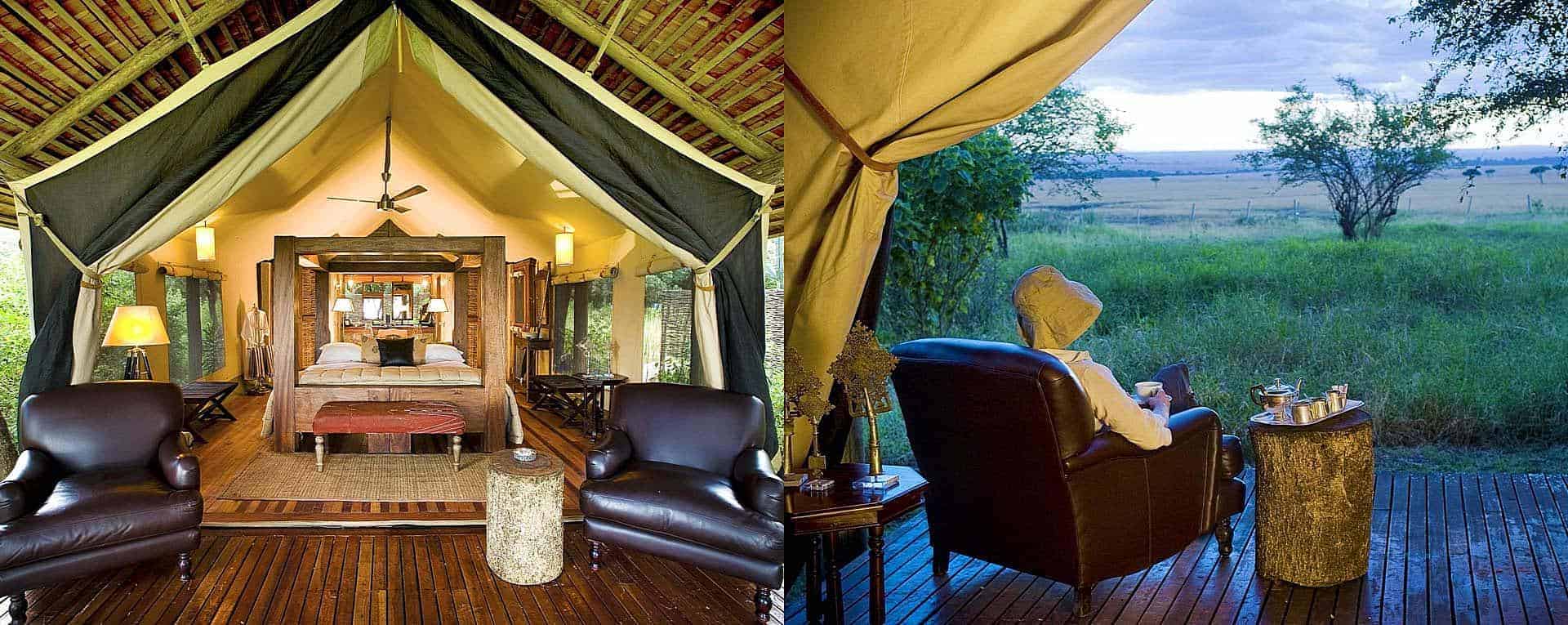
We may even be able to recommend private family safari retreats, such as Cottars Homestead and Mara Bush House, or private seaside houses like Kizingoni Beach Houses and Al Hamra. The camp experience on safari is primarily recommended for guests who desire and are comfortable with the traditional safari experience. Guest tents at the camps are furnished with modern conveniences yet are comfortable with the minimalistic nature of these features. For example, tents may have bucket showers, outdoor bathtubs and canvas door and window flaps for in-tent privacy. The in-room amenities at lodges, on the other hand, are considered more modern, similar to small hotels in cities.
Beyond the fundamental differences between camps and lodges, the Safari Tier that you choose further affects the amenities, services and facilities at a camp or lodge and also your safari experience specific to guiding standards. Contact AfricanMecca today to plan and select the preferred tour experience you are seeking.
You Can Also Select Your Kenya Accommodation Sorted By Lodge, Camp, Beach Resort Or Town Hotel
1. Safari Camps & Lodges In Kenya
2. Beach Resorts & Hotels In Kenya
3. Town & City Hotels In Kenya
4. Read More On AfricanMecca Team Accommodation Partners For Kenya
Select Our Highly Recommended & Unique Designed Kenya Safaris & Beach Vacations You Want To Experience
Read More +
KENYA LODGES & CAMPS
Safari Accommodations Option Includes Masai Mara, Amboseli, Chyulu Hills, Tsavo East, Tsavo West, Shimba Hills, Laikipia, Samburu, Shaba, Buffalo Springs, Northern Frontier, Lake Baringo, Lake Bogoria, Mount Kenya, Aberdare, Nairobi Park, Lake Nakuru, Lake Elementaita, Lake Naivasha, Meru, Kakamega Forest And Lake Victoria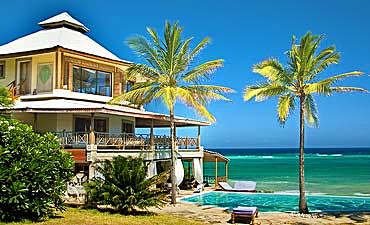
Read More +
KENYA BEACH RESORTS
Beach Accommodations Option Includes Islands Of Lamu, Mombasa, Chale And Funzi, Malindi, Watamu, Kilifi. Mombasa Includes North-South Coast Beachfront Hotels - Diani, Msambweni, Galu, Tiwi, Shimoni, Nyali, Bamburi, Shanzu And Kikambala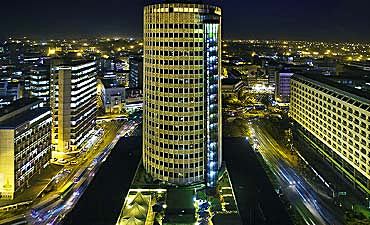
Read More +
KENYA CITY & TOWN HOTELS
City & Town Accommodations Option Includes NairobiCONTACT AND TALK TO OUR SAFARI EXPERTS TODAY TO KICK-START YOUR TOUR PLANNING PROCESS
Request Kenya Custom Or Tailor-Made Safari Pricing Based On Your Specific Travel Dates At Your Preferred Safari Tier Camp Or Lodge
CONTACT AN EXPERT ON KENYA SAFARI PRICES & TOURS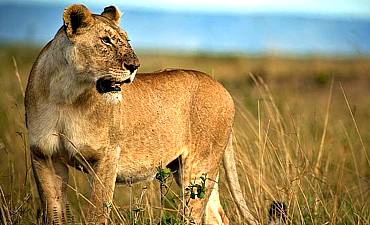
Read More +
SAFARI PRICES FOR KENYA
Review individual itineraries and prices of our suggested Kenya safaris with the option of customizing your Africa tour based on your needs and preferences.
Read More +
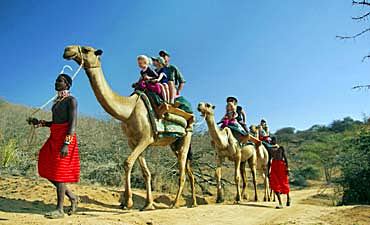
AFRICA TRIP IDEAS FOR KENYA
Review experiences available in Kenya from photo wildlife safari, horse and camel riding, walking, family to honeymoon beach vacation, dive, snorkel & fish etc.
Read More +
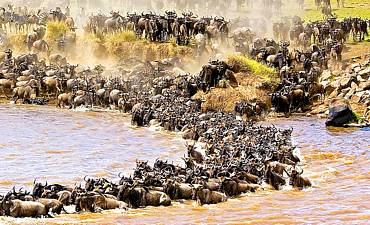
PARKS & RESERVES IN KENYA
Review information on wildlife parks and reserves in Kenya i.e. Masai Mara, Amboseli, Samburu, Laikipia, Lewa, Tsavo, Chyulu, Nakuru, Meru and more.
Read More +
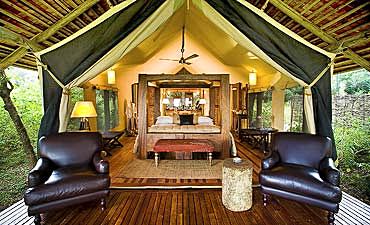
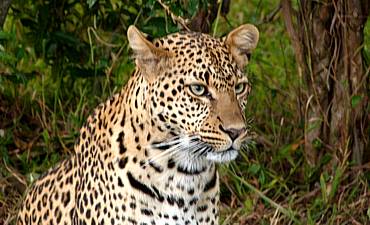
ACCOMMODATIONS IN KENYA
Review information on safari lodges, camps, city hotels, coastal resorts in Kenya's pristine wilderness, cities, Swahili beach shores and idyllic islands.
Read More +
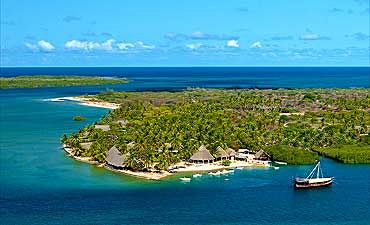
BEST TIME TO VISIT KENYA
Review details on the best time to go to Kenya to visit its various wildlife outback, forests, rivers, islands, lakes, beaches, mountains and other wildernesses.
Read More +
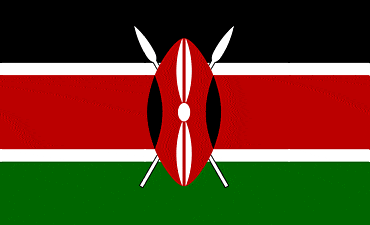
BEACHES & ISLANDS OF KENYA
Review Kenya's stunning Indian Ocean coast where the deep cobalt blue and turquoise waters gently wash up white sand beaches that create a tranquil setting.
Read More +
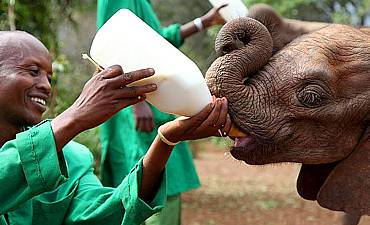
KENYA COUNTRY PROFILE
Review country information and travel tips on Kenya i.e. geography, culture, history, climate, tipping guide, what to pack and wear, entry requirements and more.
Read More +
CITY DAY TOURS FOR KENYA
Review city tour suggestions on full or half day options in Nairobi, Mombasa, Watamu, Lamu. Experiences can be customized around your vacation travels.
Read More +
AFRICAN SAFARI PRICES
Check out safari prices and itineraries for parks and reserves in other African countries e.g. Tanzania, Uganda, Rwanda, Botswana, South Africa, Zambia etc. Namibia, Mozambique, Malawi and Zimbabwe are available on request.
AFRICANMECCA REVIEWS
What are our Customers saying about us? READ MORE REVIEWS
On behalf of myself, my wife and my two adult daughters, I want to sincerely thank you and AfricanMecca Safaris for our fabulous recent safari to Amboseli National Park and Masai Mara National Reserve in Kenya.
Robert Schenkein - prVision Photography Studio - Colorado, United States
Dear Raza, The accommodations you recommended were superb. We loved them all -- Giraffe Manor, Wilderness Trails, Governor's Il Moran, Ngorongoro Crater Lodge and Mnemba Island Lodge.
Pat Bernard, Vice President, Global Channel Sales, Novell Corp - New Hampshire United States
Jambo Altaf and Raza! We are back on earth now after our fabulous honeymoon. This is to say THANK YOU so much for organising a week in Kenya that we will never forget.....!
Dr Krina Zondervan, Oxford University - United Kingdom
Jambo Raza!!! The safari trip was spectacular! Everything went off without a hitch. We loved the Masai Mara. The migration was awesome. You listened to what I wanted and delivered it perfectly.
Judi & Chaim Platt - Toronto, Canada
I cannot say enough about the quality of AfricanMecca. Their teams in Kenya and Tanzania were top notch. Raza, again thanks to you and your entire organization! We will be repeat customers.
Dan Kobick - Managing Director, PricewaterhouseCoopers - New York, United States
Jambo Raza, The Lake Nakuru outing was great! We saw lots of pelicans, some flamingos, both black and white rhino... We've already recommended a Kenya safari to friends and relatives. Thanks again
Scott Aaronson - Associate Professor, M.I.T - Boston, United States
This is to let you know my guests, The Bryant's, had a wonderful time on the trip Samburu, Masai Mara/Kenya, Chobe/Botswana & Victoria Falls/Zambia. Everything was perfect! Thank you..
Christine Milan - MT Carmel Travel - Connecticut, United States
EAST AFRICA SAFARI BOOKING & TOUR HOLIDAY IDEA KENYA
When visiting Kenya, we recommend combining your safari to Masai Mara for the wildebeest migration, Amboseli, Samburu or Laikipia - Lewa, Nakuru, Elementaita, and Naivasha - Great Rift Valley Lakes. You can also climb the 2nd highest mountain in Africa: Mount Kenya.
You may optionally extend out to other wilderness areas of Meru, Chyulu Hills or Tsavo East - Tsavo West for an offbeat wildlife tour.
You can end your vacation at the Indian Ocean for a beach vacation and Swahili cultural tour on the exotic spice island of Zanzibar, Lamu, or Mombasa.
Best Safari Planning Ideas & Trip Experiences For Kenya
Below are guide references on how to plan each of the below safari experience in Kenya. Alternatively, go to the summary section for a quick overview of each trip planning experience.1. How To Plan Kenya Safari Trips? (Summary)
2. Wildlife Safari Trip Planning Guide For Kenya
3. Private & Tailor-Made Safaris Trip Planning Guide For Kenya
4. Honeymoon Safaris Trip Planning Guide For Kenya
5. Family Safaris Trip Planning Guide For Kenya
6. Luxury Safaris Trip Planning Guide For Kenya
7. Photo Safaris Trip Planning Guide For Kenya
8. Cultural Safaris Trip Planning Guide For Kenya
9. Primate Safaris Trip Planning Guide For Kenya
10. Hike, Trek & Bush Walk Safaris Trip Planning Guide For Kenya
11. Birding Safaris Trip Planning Guide For Kenya
12. Horseback Riding Safaris Trip Planning Guide For Kenya
13. Balloon Safaris Trip Planning Guide For Kenya
14. Wedding Safaris Trip Planning Guide For Kenya
15. Bush & Beach Safaris Trip Planning Guide For Kenya
READ MORETRAVEL PLANNING GUIDE FOR KENYA
Kickstart Your Safari Planning


ARE YOU PLANNING TO BOOK AN AFRICAN SAFARI TO KENYA?
Do You Need Knowledgeable, Experienced & Specialist Guidance For Your Travels In Kenya? Let Us Help Plan Your Trip Itinerary Correctly
CONTACT A KENYA VACATION EXPERTEXPLORE MORE ON NATIONAL PARKS, CAMPS, LODGES, BEACHES & RESORTS IN KENYA


HAVE YOU VISITED EASTERN AFRICA FOR A SAFARI IN KENYA?
Write A Travel Or Tourist Trip Review To Share Your Experiences
WRITE KENYA TRIP REVIEW









AMS BLOG
VIEW ALL - 24 December 2024 by AfricanMecca Safaris, in Blog For AfricanMecca Safaris,Safari Planning Blog Posts - AfricanMecca Safaris
What AfricanMecca Accomplished In 2024
What AfricanMecca Accomplished In 2024 Published By AfricanMecca Safaris | Blog ...READ MORE +- 26 October 2017 by AfricanMecca Safaris, in Blog For AfricanMecca Safaris,Safari Planning Blog Posts - AfricanMecca Safaris
Baggage Guidance, Flight Shuttle Service & Restrictions On Flying Safaris In Africa
Baggage Guidance, Flight Shuttle Service & Restrictions On Flying Safaris In...READ MORE + - 07 June 2017 by AfricanMecca Safaris, in Blog For AfricanMecca Safaris,Latest Kenya Blog Posts From AfricanMecca Safaris,Safari Planning Blog Posts - AfricanMecca Safaris
Masai Mara Horseback Riding Safari In Kenya With AfricanMecca
Masai Mara Horseback Riding Safari In Kenya Published By AfricanMecca Safaris | ...READ MORE +