
GUIDE ON TSAVO WEST NATIONAL PARK IN KENYA
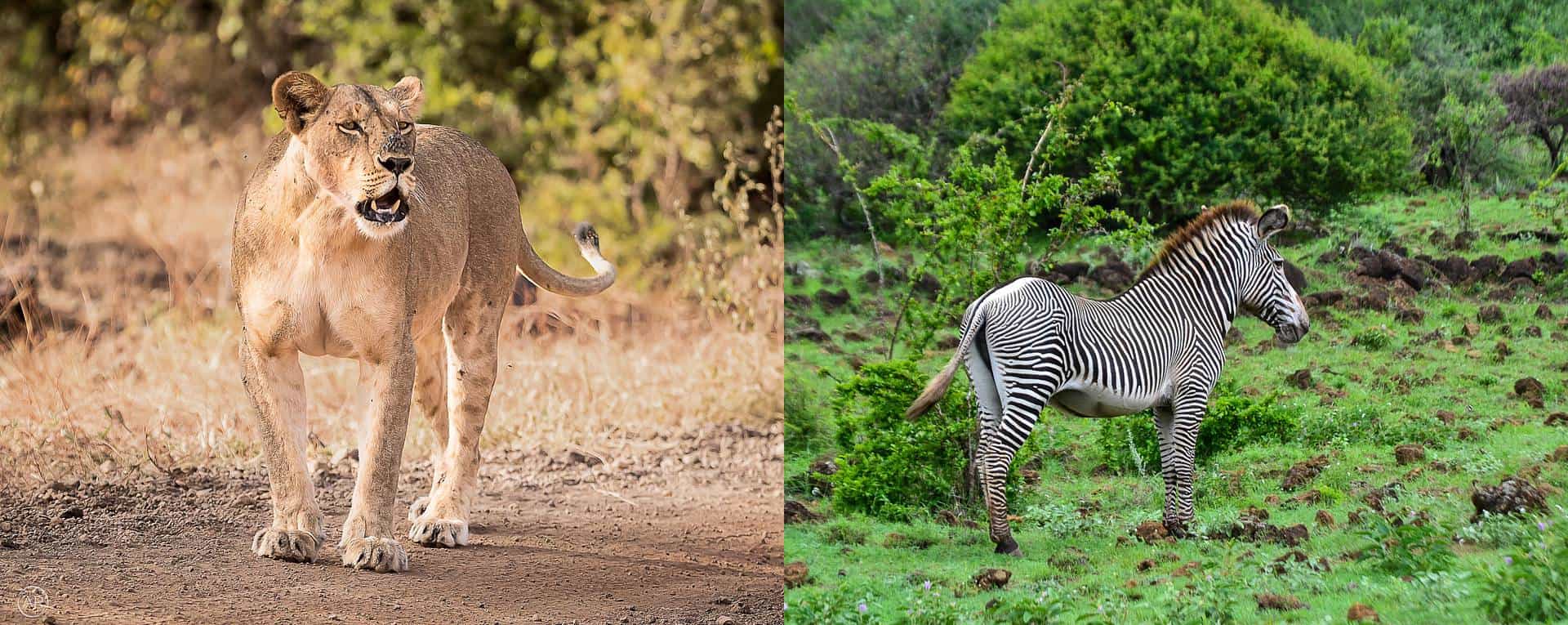
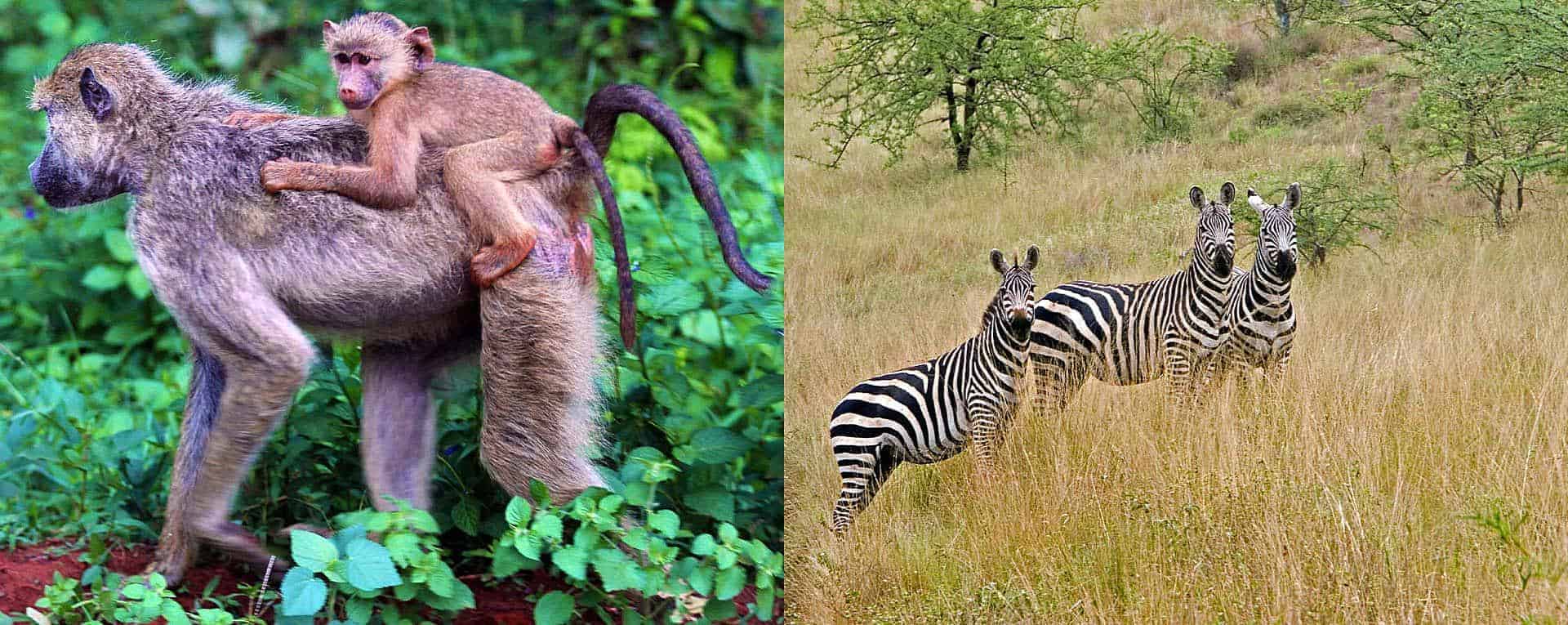
A one-of-a-kind Kenya expedition holiday awaits you at Tsavo West National Park! In no time at all, you are sitting front-and-center amidst some of Africa’s most graceful, powerful creatures. Take a front-row seat in a custom safari vehicle to watch the natural behaviors of leopards, cheetahs, mane-less lions and other predators stalk impalas, gazelles, elands, zebras, fringe-eared oryx, dik-diks and other prey animals from the cover of dense bush and deep shadows.
This immense action unfolds against a vigilant backdrop of grazing and foraging elephants, giraffes, buffalos, protected rhinos and other large herbivores. Walk under tree canopies filled with scampering vervet monkeys, baboons, galago and other tree dwellers. With so many wildlife species within the diverse landscape, you will be delighted and thrilled every moment of your personalized Kenya dream tour with AfricanMecca Safaris!
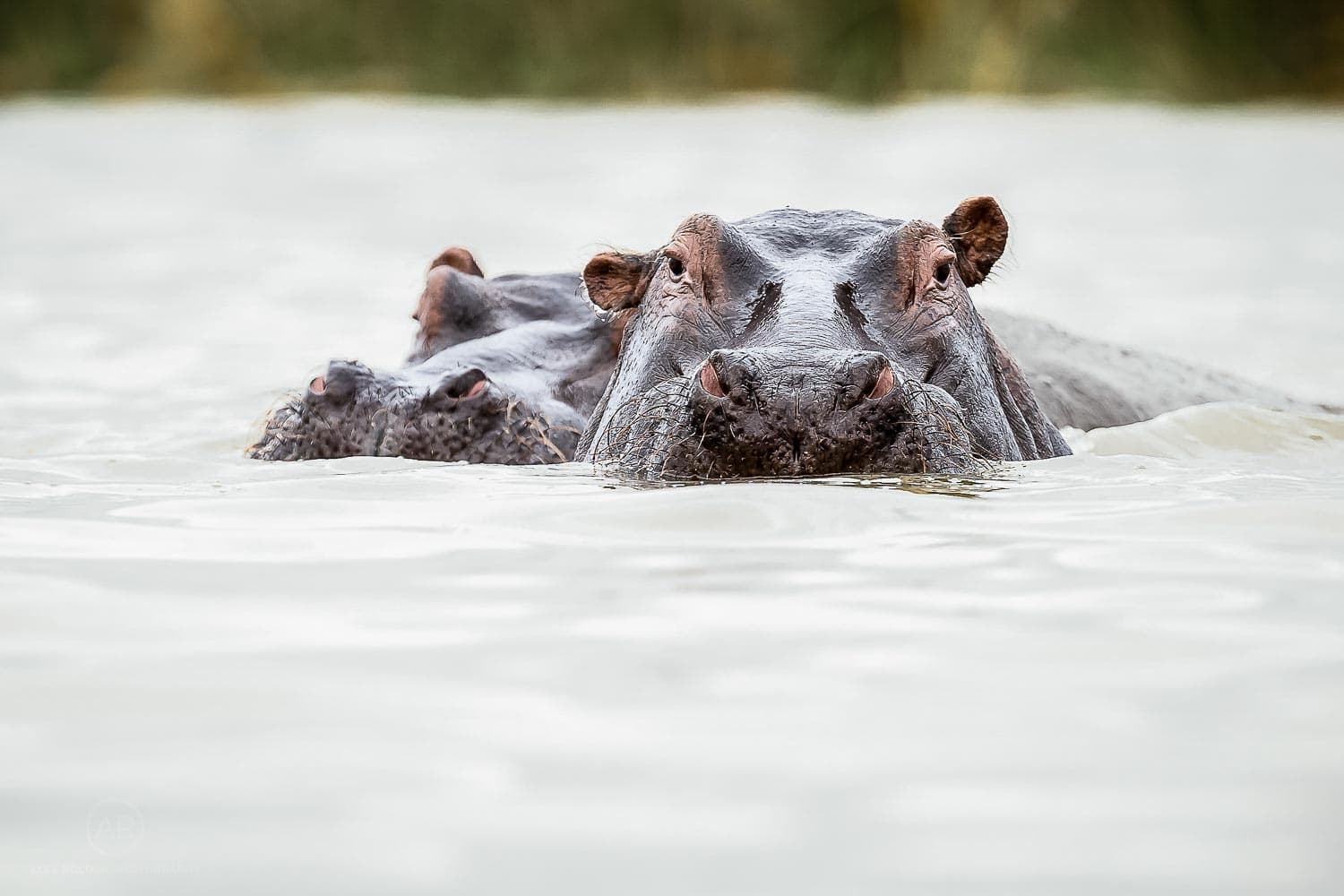
Tsavo West shares its northeast boundary line with Tsavo East National Park, and together these two parks form one of the world’s largest national parks. The terrain within Tsavo West National Park is quite varied and includes acacia woodlands, expansive savannah grasslands, scrublands, rocky ridges, volcanic remnants and riverine ecosystems.
Prominent natural landmarks include Mzima Springs in the central region of the park including the Shetani lava flow on the western precinct and Lake Jipe and Chala in the southwestern corners. The nutrient-rich soil supports more than 1,000 plant species that provide wildlife and avi-fauna with food, shelter and nesting sites.
Follow in the footsteps of some of Africa’s greatest explorers and endemic tribes during your safari tour activities. Cross the vast landscape on murram roads that take you to some of the farthest reaches of the park where the animals roam amidst unspoiled territory. From the comfort and safety of your trip vehicle, your guide shows you the park’s pure wildness and the many habitats that thrive with flora and fauna.
Take a break from the action-intense Tsavo West safari game drives, and enjoy a much more leisurely pace of a guided nature walk. These walks allow you to gain a deeper understanding of the smaller aspects of the park, as well as the tiny animals that scurry about in the brush.
For our more physically-fit guests, we can also arrange several hiking activities. Hiking is an excellent way to reach the heights of the park and immerse yourself in expansive views. Imagine trekking through the Ngulia Hills surrounded by sheer cliffs and jagged peaks to an elevation where raptors soar through the skies searching for their prey. We can also arrange a climb to the rim of Chaimu Crater.
For less aggressive hiking, AfricanMecca recommends the winding trail to Roaring Rocks, the rejuvenating walk to the springs of Mzima and the intriguing trail around lava flow and caves of Shetani. Adventurous guests may be inclined to explore the hollows, but we do caution you as the cave environment can be dangerous with the denning of wildlife. Extreme mountaineers can vertical rock climb at Kichwa Tembo.
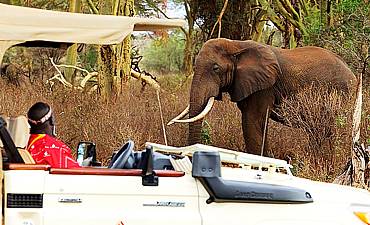
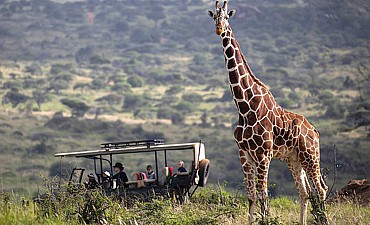
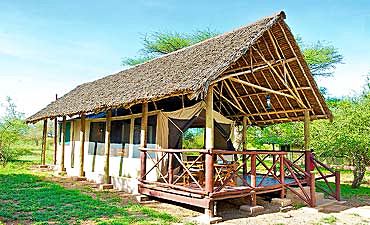
Select Our Highly Recommended & Unique Designed Tsavo West Safaris By Camps & Lodges That You Want To Tour Visit & Experience
Read More +
WHERE TO STAY IN TSAVO WEST
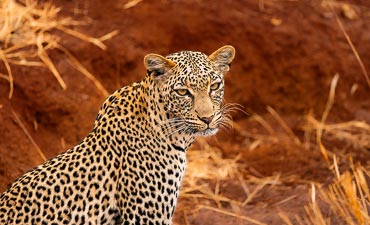
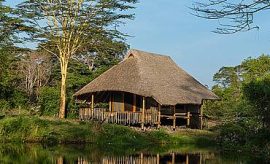
We recommend Finch Hattons, a boutique camp inspired by the colonial style of traditional safaris. For a deluxe experience, Severin Safari Camp, Kilaguni and Lions Bluff Lodge are superb options.
Read More +
SAFARI & TOUR IN TSAVO WEST
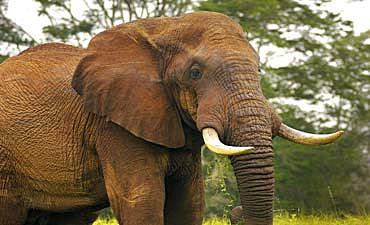
The ecosystems of Tsavo West offer varied safari experiences and tour activities for our guests. You discover the many treasures during game drives, nature hiking, birding trips and bush walks.
Read More +
BEST TIME TO VISIT TSAVO WEST
We recommend the dry season in Tsavo as many animals travel to permanent water sources. The lack of rainfall means that few water and food sources are available thus the best time for a safari.
AFRICANMECCA REVIEWS
What are our Customers saying about us? READ MORE REVIEWS
Our first safari began by road to Tsavo West. Our booking through AfricanMecca for our trip delivered everything we hoped for and more. We were extremely sad to leave Kenya, its animals, its vast open spaces, its stunning scenery..
John Lowry - Manchester, United Kingdom
The safari to Tsavo was incredible, every detail was well taken care of for a very relaxing and eventful trip. It was indeed a memorable time. We saw quite a lot of nearly every animal. You keep setting the bar for excellence.
Jesse Staples - Georgia, United States
Jambo Altaf, Many thanks for a brilliant holiday. Your choice of tented accommodation at the two Tsavos and Amboseli was superb, we didn't have a favourite. We would recommend AfricanMecca to anyone.
Geoffrey Topliss - Northampton, United Kingdom
Hello Raza, We really enjoy our vacation. The Tsavo and Kilimanjaro safari was unbelievable. We did not expect that much!!! Our guide was very kind, and friendly. Thank again for all. I will recommend your team.
Anne Tourigny - Montreal, Canada
Our safari trip was a highlight of our time in Kenya. The Tsavo camps were spectacular with unbelievably friendly service and welcome. We miss Kenya, the people and their beautiful country already. Asante Sana..
Katherine Spencer - London, United Kingdom
Jambo Altaf! We were very happy with your organization! The Tsavo safari was perfect, the lodges were nice and the camping is very exclusive! Your company has been excellent, also exceeded all our expectations!
Gabriella, Fabrizio, Paola and Stefano - Milan, Italy
I recently returned back from my honeymoon in Kenya which included a safari and Indian Ocean beach vacation. We loved all of the camps - each for different reasons. Thank you to AfricanMecca for helping us plan the trip..
Holly & Michael Lapidus - New Jersey, United States
EAST AFRICA SAFARI BOOKING TRIP IDEA FOR TSAVO WEST IN SOUTH-EASTERN KENYA
When visiting Tsavo West National Park, we recommend combining your safari to Masai Mara for the wildebeest migration, Amboseli, Samburu or Laikipia - Lewa, Nakuru, Elementaita, and Naivasha - Great Rift Valley Lakes. You can also climb the 2nd highest mountain in Africa: Mount Kenya.
You may optionally extend out to other wilderness areas of Meru, Chyulu Hills or Tsavo East for an offbeat wildlife tour.
You can end your vacation at the Indian Ocean for a beach vacation and Swahili cultural tour on the exotic spice island of Zanzibar, Lamu, or Mombasa.
Best Safari Planning Ideas & Trip Experiences For Kenya
Below are guide references on how to plan each of the below safari experience in Kenya. Alternatively, go to the summary section for a quick overview of each trip planning experience.1. How To Plan Kenya Safari Trips? (Summary)
2. Wildlife Safari Trip Planning Guide For Kenya
3. Private & Tailor-Made Safaris Trip Planning Guide For Kenya
4. Honeymoon Safaris Trip Planning Guide For Kenya
5. Family Safaris Trip Planning Guide For Kenya
6. Luxury Safaris Trip Planning Guide For Kenya
7. Photo Safaris Trip Planning Guide For Kenya
8. Cultural Safaris Trip Planning Guide For Kenya
9. Primate Safaris Trip Planning Guide For Kenya
10. Hike, Trek & Bush Walk Safaris Trip Planning Guide For Kenya
11. Birding Safaris Trip Planning Guide For Kenya
12. Horseback Riding Safaris Trip Planning Guide For Kenya
13. Balloon Safaris Trip Planning Guide For Kenya
14. Wedding Safaris Trip Planning Guide For Kenya
15. Bush & Beach Safaris Trip Planning Guide For Kenya
READ MORETSAVO WEST PARK SAFARI & TOUR PLANNING DETAILS
Kickstart Your Safari Planning


ARE YOU PLANNING TO BOOK AN AFRICAN SAFARI TO TSAVO WEST IN KENYA?
Do You Need Knowledgeable, Experienced & Specialist Guidance For Your Travels In Tsavo West ? Let Us Help Plan Your Trip Itinerary Correctly
CONTACT AN AFRICA TRAVEL EXPERT ON TSAVO WEST NATIONAL PARK
EXPLORE MORE ON TSAVO WEST NATIONAL PARK IN KENYA


HAVE YOU VISITED TSAVO WEST FOR AN AFRICA SAFARI IN KENYA?
Write A Travel Or Tourist Trip Review To Share Your Experiences
WRITE TSAVO WEST REVIEW












AMS BLOG
VIEW ALL - 24 December 2024 by AfricanMecca Safaris, in Blog For AfricanMecca Safaris,Safari Planning Blog Posts - AfricanMecca Safaris
What AfricanMecca Accomplished In 2024
What AfricanMecca Accomplished In 2024 Published By AfricanMecca Safaris | Blog ...READ MORE +- 26 October 2017 by AfricanMecca Safaris, in Blog For AfricanMecca Safaris,Safari Planning Blog Posts - AfricanMecca Safaris
Baggage Guidance, Flight Shuttle Service & Restrictions On Flying Safaris In Africa
Baggage Guidance, Flight Shuttle Service & Restrictions On Flying Safaris In...READ MORE + - 07 June 2017 by AfricanMecca Safaris, in Blog For AfricanMecca Safaris,Latest Kenya Blog Posts From AfricanMecca Safaris,Safari Planning Blog Posts - AfricanMecca Safaris
Masai Mara Horseback Riding Safari In Kenya With AfricanMecca
Masai Mara Horseback Riding Safari In Kenya Published By AfricanMecca Safaris | ...READ MORE +