
GUIDE ON NAIROBI NATIONAL PARK IN KENYA
VIEW PRICES FOR YOUR NAIROBI CITY & DAY TOURS - BOOK IT TODAY!Covering more than 45 square miles (117 sq. km) of grasslands, forests, rocky valleys, forests and wetlands is Nairobi National Park, Kenya's oldest national park and the only one in the world that is situated amidst a capital city. The proximity to an urban center, though, does not diminish the wildlife presence within the park boundaries, though, as more than 100 species of mammal and over 500 types of avi-fauna are found in the park including 20 seasonal migrants from Europe.
What makes Nairobi Park surreal when compared to your other safari destinations in East Africa is that it is not uncommon to see grazing herbivores, such as giraffe, wildebeest, eland, Thomson's gazelle and many others grazing quietly with the distant high-rises of Nairobi as a backdrop.
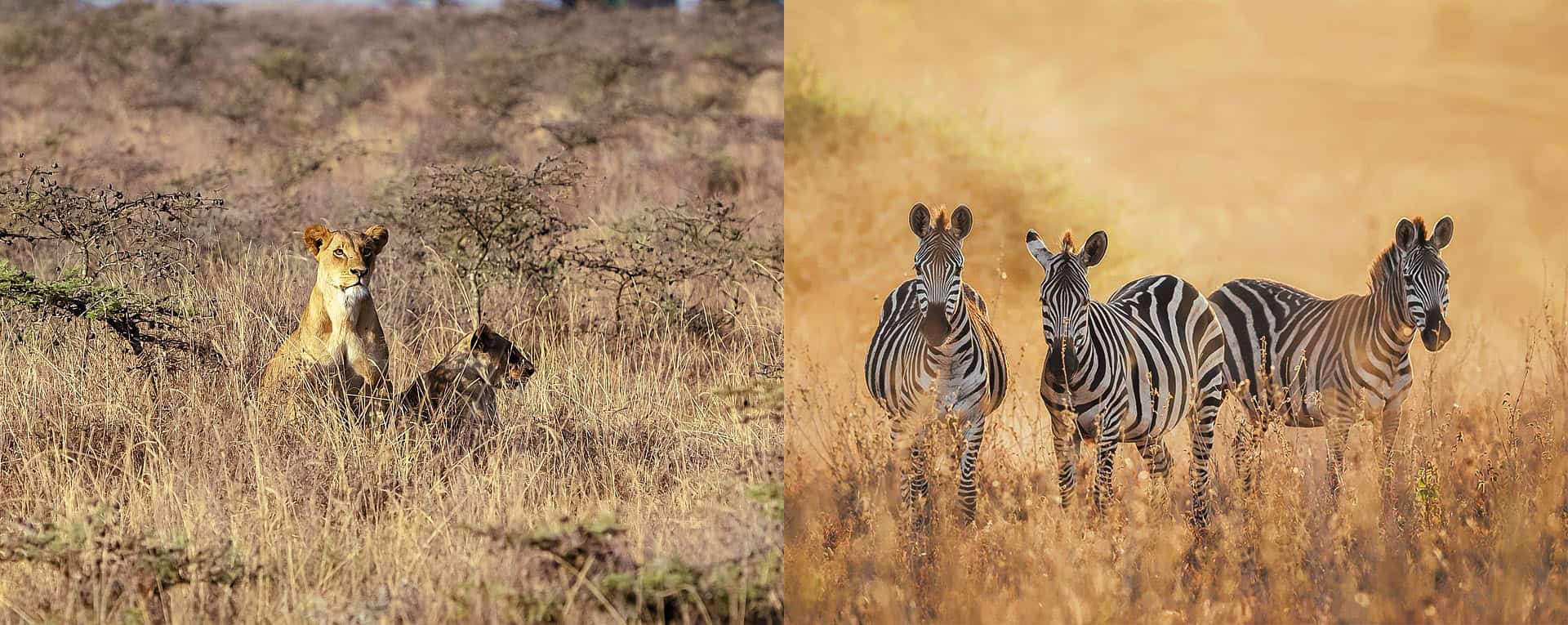
No other place in the world can you photograph free-roaming leopard, lion, buffalo, rhino and other animals in its natural ecology against a city skyline (read more on where to stay in Nairobi National Park). The park has both natural and man-made boundaries, with fences set on all but the southern edge, an open space that is used by migratory animals when new vegetation and water sources develop outside the park.
Resident animals are also present, making it an excellent year-round day excursion during your wilderness holiday with AfricanMecca. Should you visit during the rainy season, expect to be awed with the abundance of wildflowers, especially the yellow daisies that dominate the landscape.
The Athi River is a natural southern boundary of the park asset and is an admirable setting for quiet bush walks through a riverine forest that is filled with monkey and birds, as well as hippo and crocodile that are found in river pools and also zebras gathering on the park side of the river. Some of the most spectacular scenery in the park is at the southwestern boundary where small streams have carved steep valleys and hyrax may be seen on the rocks, as well as an occasional klipspringer, mountain reedbuck and other fauna.
Park staff frequently spot mane lion and cheetah, and this urban wilderness is also designated as a prime rhino sanctuary. Should you like to learn about efforts to protect the animals that you may see during your memorable Nairobi National Park safari, visit the Nairobi Animal Orphanage near the main gate. Although this program is primarily in place for Kenyans on a weekend visit, tourist visitors are welcome.
Near the Banda Gate is the David & Daphne Sheldrick Elephant Orphanage where you may see orphan elephant and rhino being reared as its human guardians. Both orphanages can be booked as part of your AfricanMecca day tour in Nairobi but David & Daphne Sheldrick is only open to visitors during certain times of the day and fostering donations are welcomed by its trust.
Select Our Highly Recommended & Unique Designed Kenya Safaris That You Want To Tour Visit & Experience
KENYA SAFARI PRICES
Read More +
WHERE TO STAY IN NAIROBI NATIONAL PARK
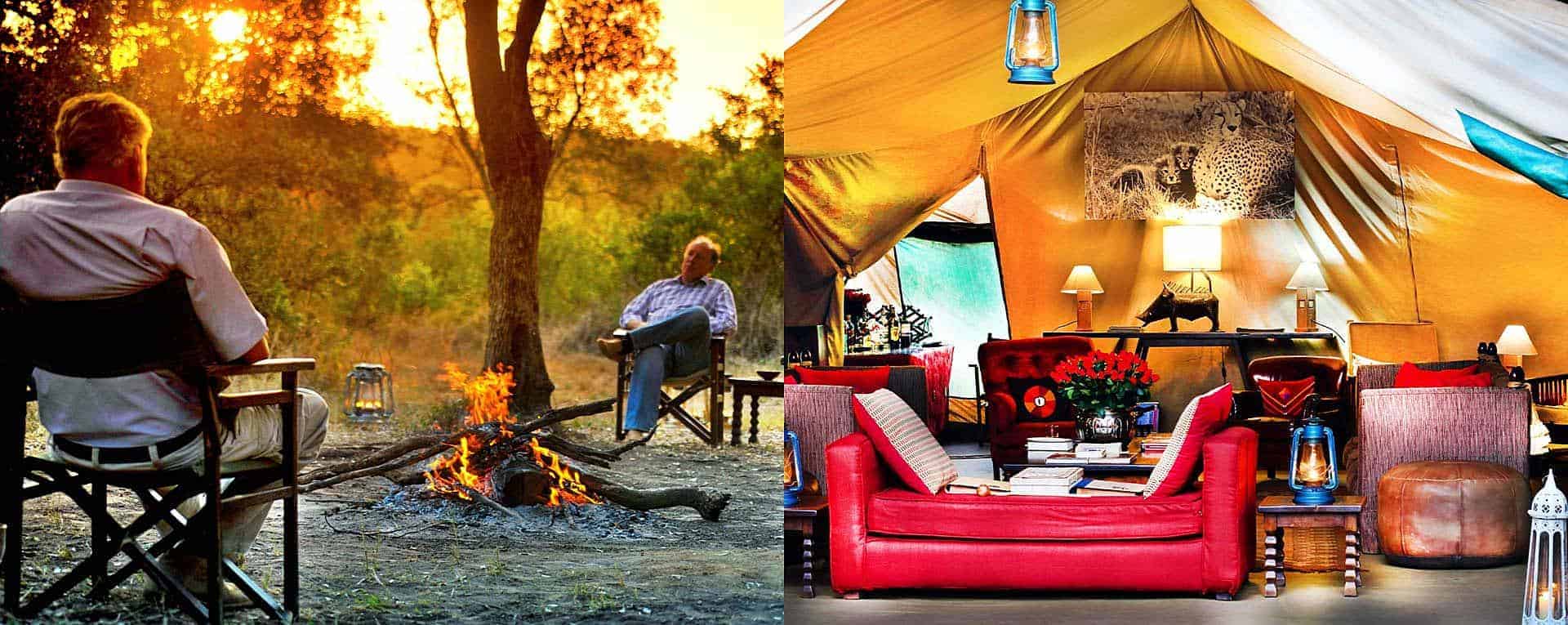
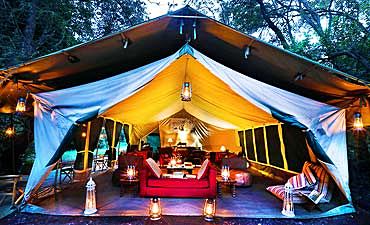
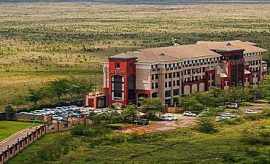
Nairobi Tented Camp is the only accommodation that is sited inside the park. Should you prefer to stay on the unfenced southern border of the park, consider the Emakoko, a family-owned and operated 10-room lodge.
Read More +
SAFARI & TOUR IN NAIROBI NATIONAL PARK
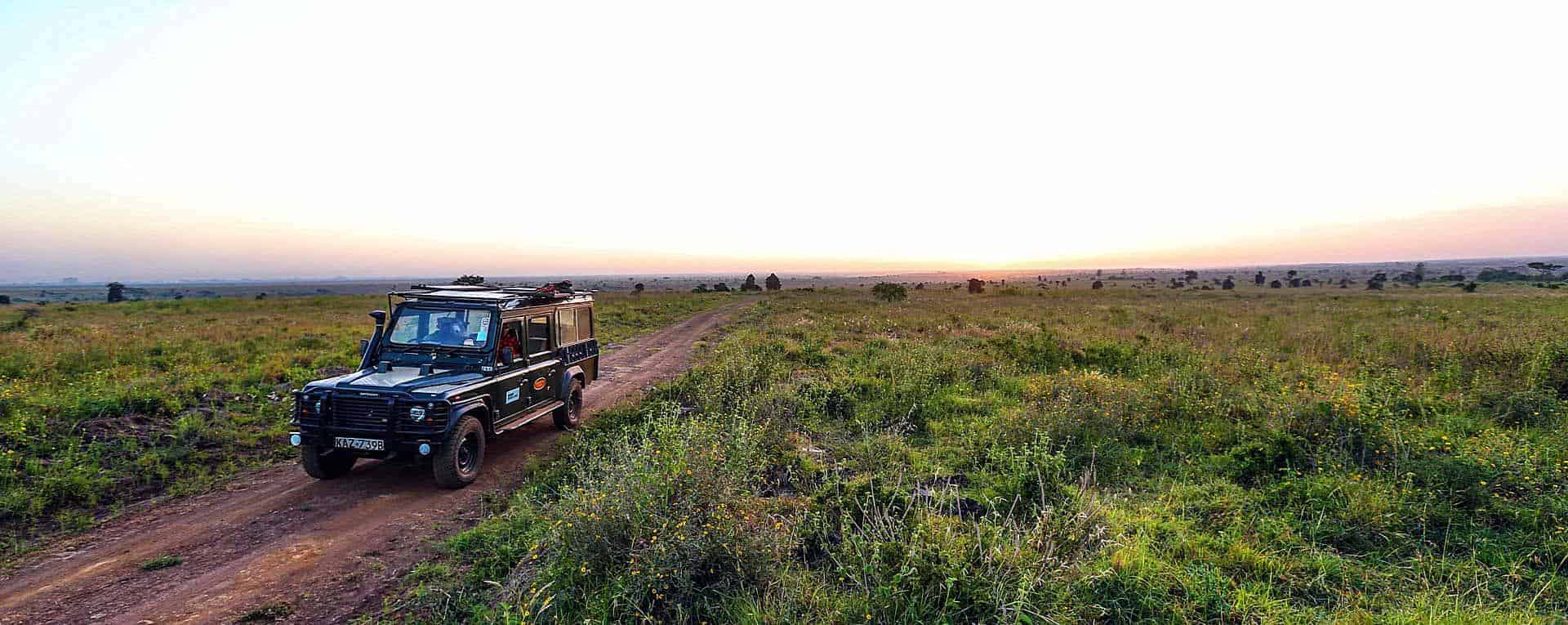
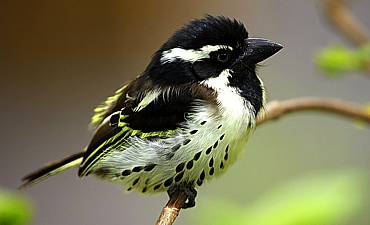
Game drives in Nairobi National Park are offered in the morning and afternoon when the animals are most likely to be active. More leisurely activities include nature walks along the trails near the hippo pools.
Read More +
BEST TIME TO VISIT NAIROBI NATIONAL PARK
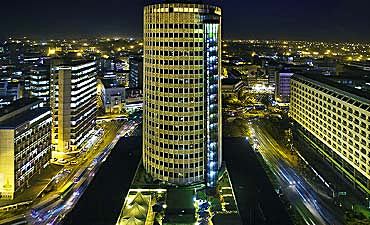
Nairobi Park is sited at an elevation of 5030 feet to 5774 feet, so temperatures tend to be mild year round, making it as perfect day vacation destination in central Kenya no matter when you plan to visit.
Read More +
GUIDE ON NAIROBI CITY
Within a relatively short period of time, what was once swampland was reborn into the city of Nairobi, the thriving prime capital of Kenya. The transformation began when the railroad arrived in 1899.
AFRICANMECCA REVIEWS
What are our Customers saying about us? READ MORE REVIEWS
I booked my safari holiday through AfricanMecca. They were the most helpful company I have ever dealt with and I work within the travel industry. I had the most amazing time. The holiday went as clockwork with no hitches anywhere.
Shelley Roberts - Hemel Hempstead, United Kingdom
Just wanted to say that we had an absolutely fantastic vacation in Kenya. Everything worked very smoothly. You can be sure I will recommend you to other people. Thanks again for organizing everything for us.
Sissel Johanne Berentsen, United Nations - Pristina, Austria
We had the most wonderful time. Throughout, I found AfricanMecca to be helpful, prompt, informative and extremely professional and I would recommend using them without hesitation.
Catherine Wright - Braintree, United Kingdom
We had a wonderful time in Kenya. Thank you. The people were extremely friendly and made us feel very welcome. The safari was magical. Thank you for your help over the bookings.
Lesley Grant Haworth - Farnham, United Kingdom
Jambo Altaf and Raza! We are back on earth now after our fabulous honeymoon. This is to say THANK YOU so much for organising a week in Kenya that we will never forget.....!
Dr Krina Zondervan, Oxford University - United Kingdom
In regards to the recent Kenya Safari I experienced with AfricanMecca, it was a trip of a lifetime and we'll never forget it. I can't say enough how much we loved this trip. Thank you.
Roz Applebaum, Owner, Paws By Roz - Massachusetts, United States
We were extremely pleased with our itinerary. All those elephants and giraffes just posing and asking to have their pictures taken. Thank you for planning one of the best trips I have ever taken.
Professor Donald S. Kisiel - Biology Department Suffolk County Community College - New York, United States
EAST AFRICA SAFARI BOOKING TRIP IDEA FOR NAIROBI NATIONAL PARK IN CENTRAL KENYA
When visiting Nairobi National Park, we recommend combining your safari to Masai Mara for the wildebeest migration, Amboseli, Samburu or Laikipia - Lewa, Nakuru, Elementaita, and Naivasha - Great Rift Valley Lakes. You can also climb the 2nd highest mountain in Africa: Mount Kenya.
You may optionally extend out to other wilderness areas of Meru, Chyulu Hills or Tsavo East - Tsavo West for an offbeat wildlife tour.
You can end your vacation at the Indian Ocean for a beach vacation and Swahili cultural tour on the exotic spice island of Zanzibar, Lamu, or Mombasa.
Best Safari Planning Ideas & Trip Experiences For Kenya
Below are guide references on how to plan each of the below safari experience in Kenya. Alternatively, go to the summary section for a quick overview of each trip planning experience.1. How To Plan Kenya Safari Trips? (Summary)
2. Wildlife Safari Trip Planning Guide For Kenya
3. Private & Tailor-Made Safaris Trip Planning Guide For Kenya
4. Honeymoon Safaris Trip Planning Guide For Kenya
5. Family Safaris Trip Planning Guide For Kenya
6. Luxury Safaris Trip Planning Guide For Kenya
7. Photo Safaris Trip Planning Guide For Kenya
8. Cultural Safaris Trip Planning Guide For Kenya
9. Primate Safaris Trip Planning Guide For Kenya
10. Hike, Trek & Bush Walk Safaris Trip Planning Guide For Kenya
11. Birding Safaris Trip Planning Guide For Kenya
12. Horseback Riding Safaris Trip Planning Guide For Kenya
13. Balloon Safaris Trip Planning Guide For Kenya
14. Wedding Safaris Trip Planning Guide For Kenya
15. Bush & Beach Safaris Trip Planning Guide For Kenya
READ MORENAIROBI NATIONAL PARK SAFARI & TOUR PLANNING DETAILS
Kickstart Your Safari Planning


ARE YOU PLANNING TO BOOK AN AFRICAN SAFARI TO NAIROBI NATIONAL PARK IN KENYA?
Do You Need Knowledgeable, Experienced & Specialist Guidance For Your Travels In Nairobi Park ? Let Us Help Plan Your Trip Itinerary Correctly
CONTACT AN AFRICA TRAVEL EXPERT ON NAIROBI NATIONAL PARKNAIROBI CITY & PARK HOTELS, CAMPS & LODGES
EXPLORE MORE ON NAIROBI NATIONAL PARK IN KENYA


HAVE YOU VISITED NAIROBI NATIONAL PARK FOR AN AFRICA SAFARI IN KENYA?
Write A Travel Or Tourist Trip Review To Share Your Experiences
WRITE NAIROBI NATIONAL PARK REVIEW












AMS BLOG
VIEW ALL - 24 December 2024 by AfricanMecca Safaris, in Blog For AfricanMecca Safaris,Safari Planning Blog Posts - AfricanMecca Safaris
What AfricanMecca Accomplished In 2024
What AfricanMecca Accomplished In 2024 Published By AfricanMecca Safaris | Blog ...READ MORE +- 26 October 2017 by AfricanMecca Safaris, in Blog For AfricanMecca Safaris,Safari Planning Blog Posts - AfricanMecca Safaris
Baggage Guidance, Flight Shuttle Service & Restrictions On Flying Safaris In Africa
Baggage Guidance, Flight Shuttle Service & Restrictions On Flying Safaris In...READ MORE + - 07 June 2017 by AfricanMecca Safaris, in Blog For AfricanMecca Safaris,Latest Kenya Blog Posts From AfricanMecca Safaris,Safari Planning Blog Posts - AfricanMecca Safaris
Masai Mara Horseback Riding Safari In Kenya With AfricanMecca
Masai Mara Horseback Riding Safari In Kenya Published By AfricanMecca Safaris | ...READ MORE +