
HALLER PARK TOUR EXPERIENCE IN MOMBASA WITH AFRICANMECCA
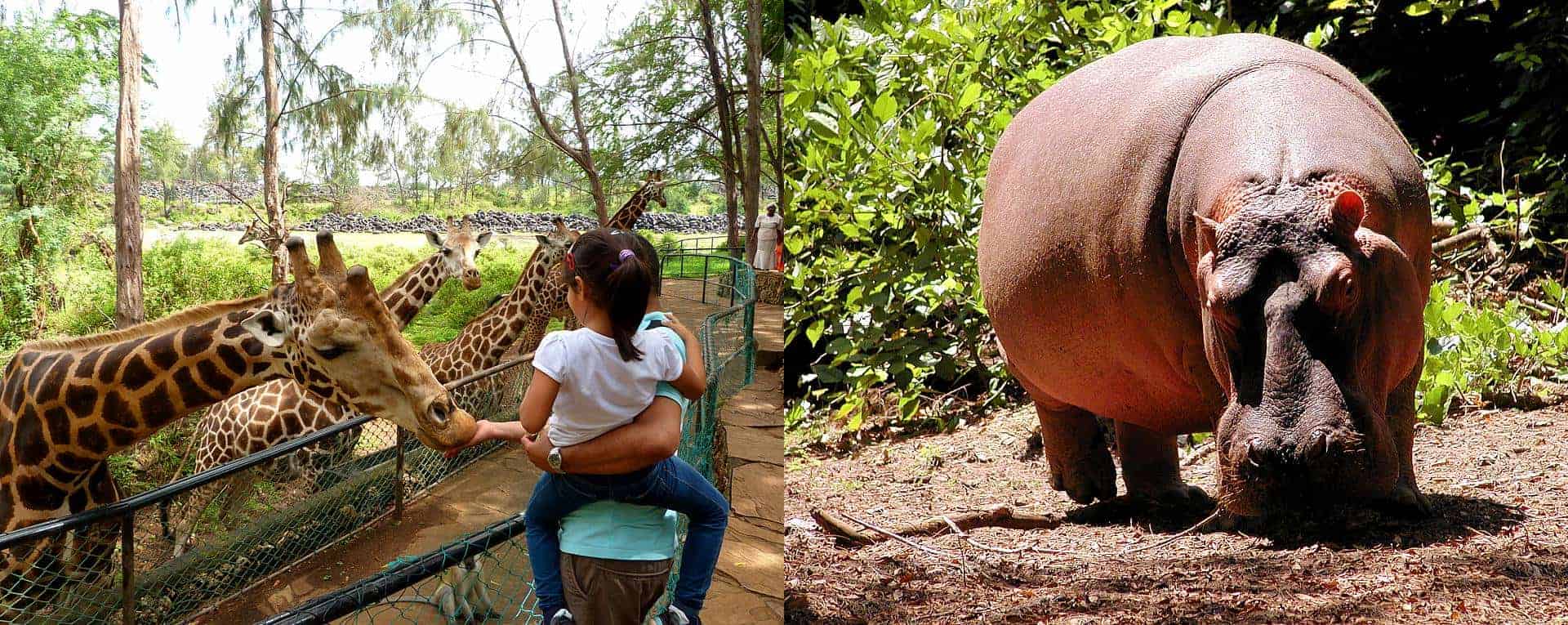
VIEW PRICES FOR YOUR MOMBASA CITY & DAY TOURS - BOOK IT TODAY!The sections of the park include the game sanctuary, reptile park, fish farm, crocodile pens, giraffe viewing area and palm gardens. Do not arrive here to expect a safari experience. It is more of a zoo-like experience but based on rehabilitated land in Africa! While at Haller Park, make sure you meet Owen and Mzee, an unlikely couple with a touching story. Owen is an orphaned hippo who lost his family after the El Nino floods washed he and his family out into the Indian Ocean.
The adults were able to make it back to shore, but Owen was too small to swim to the beach and he was stranded in the water for days until the Kenya Wildlife Service was able to rescue. After he was retrieved from the ocean, he was placed in a fenced area with other animals, but no other hippos were in sight. To AfricanMecca and everyone’s amazement, an adult male tortoise named Mzee took Owen in and cared for him like a mother.
16. Malindi Tour
17. Shimba Hills Safari
18. Tsavo East Safari
19. Kisite Mpunguti Park
20. Mombasa Marine Park
Read More +
BEACH HOLIDAYING IN MOMBASA
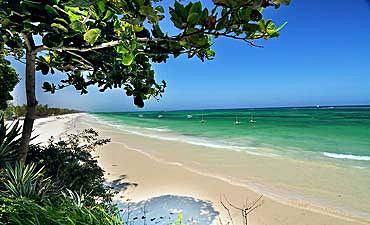
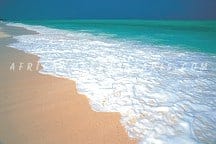
Bury your toes in the soft white sand while watching soothing waves lap the Mombasa shoreline. The aquamarine of the Indian Ocean stretches as far as the eye can see, meeting the blue sky on the horizon.
Read More +
WHERE TO STAY IN MOMBASA
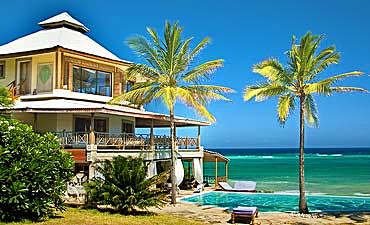
The South Coast is where you will find the highest level luxury accommodations, few of which are The Funzi Keys, AfroChic Diani and also Alfajiri Villas where Brad Pitt and Angelina Jolie have stayed.
Read More +
GUIDE ON MOMBASA
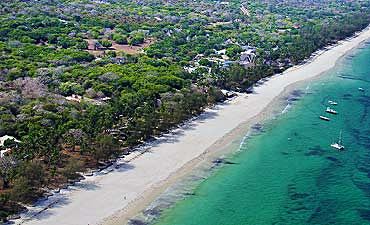
As you walk along the winding streets of Mombasa, you will be captivated by the mixture and acceptance of varied cultures, history and coastal metropolitan flair that is reflected in the people and architecture.
Read More +
BEST TIME TO VISIT MOMBASA
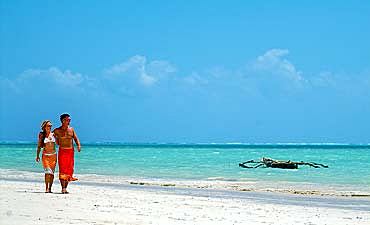
When combined with a wildlife safari, the two dry seasons from July through October and January until February are the best times to visit Mombasa as the sky has few, if any, clouds, and sunshine is abundant.
AFRICANMECCA REVIEWS
What are our Customers saying about us? READ MORE REVIEWS
I want to let you know we had a wonderful time in Kenya and everything went a planned! We also enjoyed Pinewood Village by the ocean in Mombasa. Thanks so much for all you and your company did for us.
James Brubaker & Michael Hess - Pennsylvania, United States
From the moment we arrived in Mombasa, there were transportation officers there to collect us. Great trip, and AfricanMecca were really organised and gave us all the information. Thanks for everything!
Mark Cobb - London, United Kingdom
Dear Raza, You turned our dream into a reality. Our honeymoon and wedding in Kenya was so much more than we hoped for. We've never in our wildest dreams thought a vacation could be so perfect. We were spoiled...
Mrs Annemarie Bain - New York, United States
My daughter's and my trip that AfricanMecca arranged to South Coast Mombasa, Diani Reef Beach Resort was awesome. We laid on the beach quite a bit, but did manage to take in camel rides and also snorkelling.
Shirley Smith - Alberta, Canada
Jambo Altaf, I want to let you know that both Dorothy and I found our two week trip to Kenya to be an absolutely wonderful experience. Our booking through AfricanMecca for our trip delivered everything we hoped for and more.
John Lowry - Cheshire, United Kingdom
Dear Raza, Just a note to let you know that my daughter and I had a wonderful time in Kenya. In, fact I enjoyed my time in Kenya so much that I changed my plans to spend a few days in London and spent an extra two days in Mombasa.
Patricia Young - Universal Music Group - California, United States
I am writing to let you know that my mother and her friend, Carole, had a very good holiday in Kenya. We were all very happy with all your help in booking the trip. All the arrangements you had made for them went very smoothly.
Dr Christina Cousens - Moredun Research Institute - Scotland, United Kingdom
EAST AFRICA SAFARI & BEACH BOOKING TRIP IDEA FOR MOMBASA IN EASTERN KENYA
When beach vacationing in Mombasa, we recommend combining your safari to Masai Mara for the wildebeest migration, Amboseli, Samburu or Laikipia - Lewa, Nakuru, Elementaita, and Naivasha - Great Rift Valley Lakes. You can also climb the 2nd highest mountain in Africa: Mount Kenya.
You may optionally extend out to other wilderness areas of Meru, Chyulu Hills or Tsavo East - Tsavo West for an offbeat wildlife tour.
You can end your vacation at the Indian Ocean for a beach vacation and Swahili cultural tour on the exotic spice island of Zanzibar, Lamu, or Watamu.
Best Safari Planning Ideas & Trip Experiences For Kenya
Below are guide references on how to plan each of the below safari experience in Kenya. Alternatively, go to the summary section for a quick overview of each trip planning experience.1. How To Plan Kenya Safari Trips? (Summary)
2. Wildlife Safari Trip Planning Guide For Kenya
3. Private & Tailor-Made Safaris Trip Planning Guide For Kenya
4. Honeymoon Safaris Trip Planning Guide For Kenya
5. Family Safaris Trip Planning Guide For Kenya
6. Luxury Safaris Trip Planning Guide For Kenya
7. Photo Safaris Trip Planning Guide For Kenya
8. Cultural Safaris Trip Planning Guide For Kenya
9. Primate Safaris Trip Planning Guide For Kenya
10. Hike, Trek & Bush Walk Safaris Trip Planning Guide For Kenya
11. Birding Safaris Trip Planning Guide For Kenya
12. Horseback Riding Safaris Trip Planning Guide For Kenya
13. Balloon Safaris Trip Planning Guide For Kenya
14. Wedding Safaris Trip Planning Guide For Kenya
15. Bush & Beach Safaris Trip Planning Guide For Kenya
READ MOREMOMBASA BEACH & TOUR PLANNING DETAILS
Kickstart Your Beach Planning


ARE YOU PLANNING TO BOOK AN AFRICAN TRIP TO MOMBASA IN KENYA?
Do You Need Knowledgeable, Experienced & Specialist Guidance For Your Travels In Mombasa ? Let Us Help Plan Your Trip Itinerary Correctly
CONTACT AN AFRICA TRAVEL EXPERT ON MOMBASA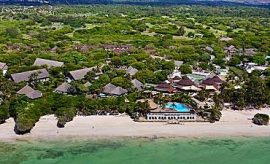
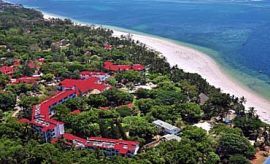


HAVE YOU VISITED MOMBASA FOR A BEACH VACATION IN KENYA?
Write A Travel Or Tourist Trip Review To Share Your Experiences
WRITE MOMBASA REVIEW












AMS BLOG
VIEW ALL - 24 December 2024 by AfricanMecca Safaris, in Blog For AfricanMecca Safaris,Safari Planning Blog Posts - AfricanMecca Safaris
What AfricanMecca Accomplished In 2024
What AfricanMecca Accomplished In 2024 Published By AfricanMecca Safaris | Blog ...READ MORE +- 26 October 2017 by AfricanMecca Safaris, in Blog For AfricanMecca Safaris,Safari Planning Blog Posts - AfricanMecca Safaris
Baggage Guidance, Flight Shuttle Service & Restrictions On Flying Safaris In Africa
Baggage Guidance, Flight Shuttle Service & Restrictions On Flying Safaris In...READ MORE + - 07 June 2017 by AfricanMecca Safaris, in Blog For AfricanMecca Safaris,Latest Kenya Blog Posts From AfricanMecca Safaris,Safari Planning Blog Posts - AfricanMecca Safaris
Masai Mara Horseback Riding Safari In Kenya With AfricanMecca
Masai Mara Horseback Riding Safari In Kenya Published By AfricanMecca Safaris | ...READ MORE +