
GUIDE ON WATAMU IN KENYA
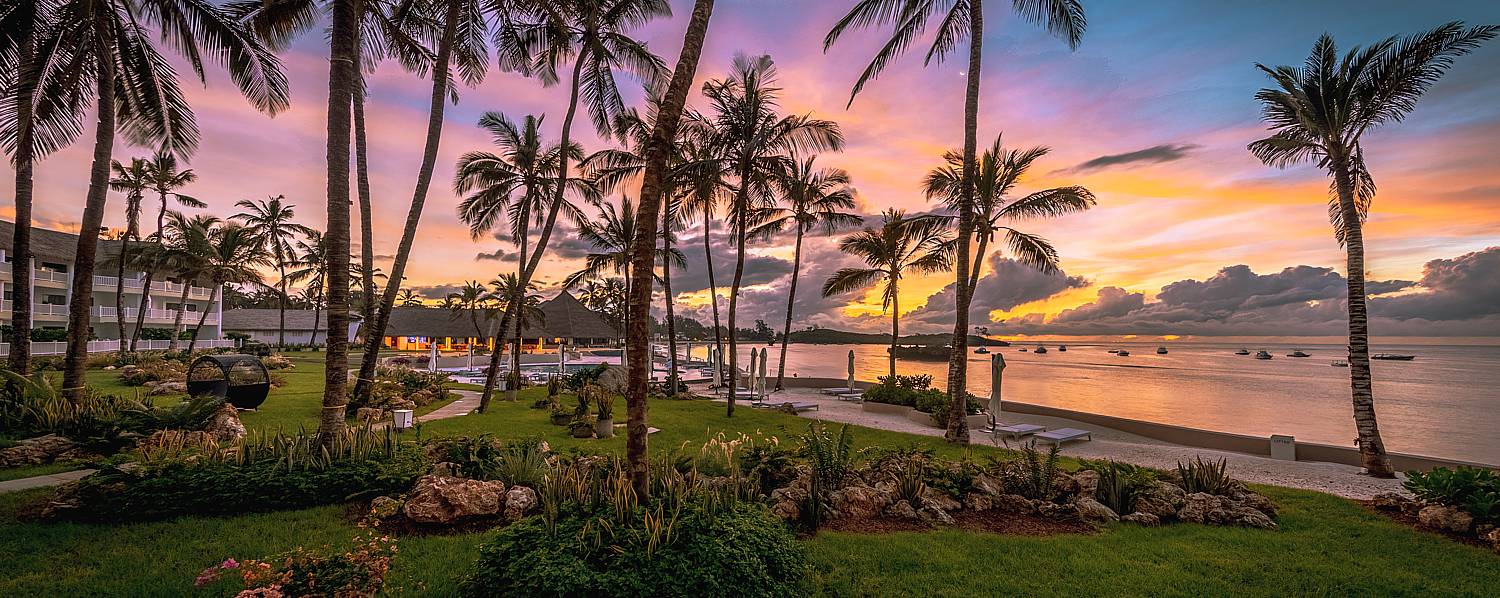
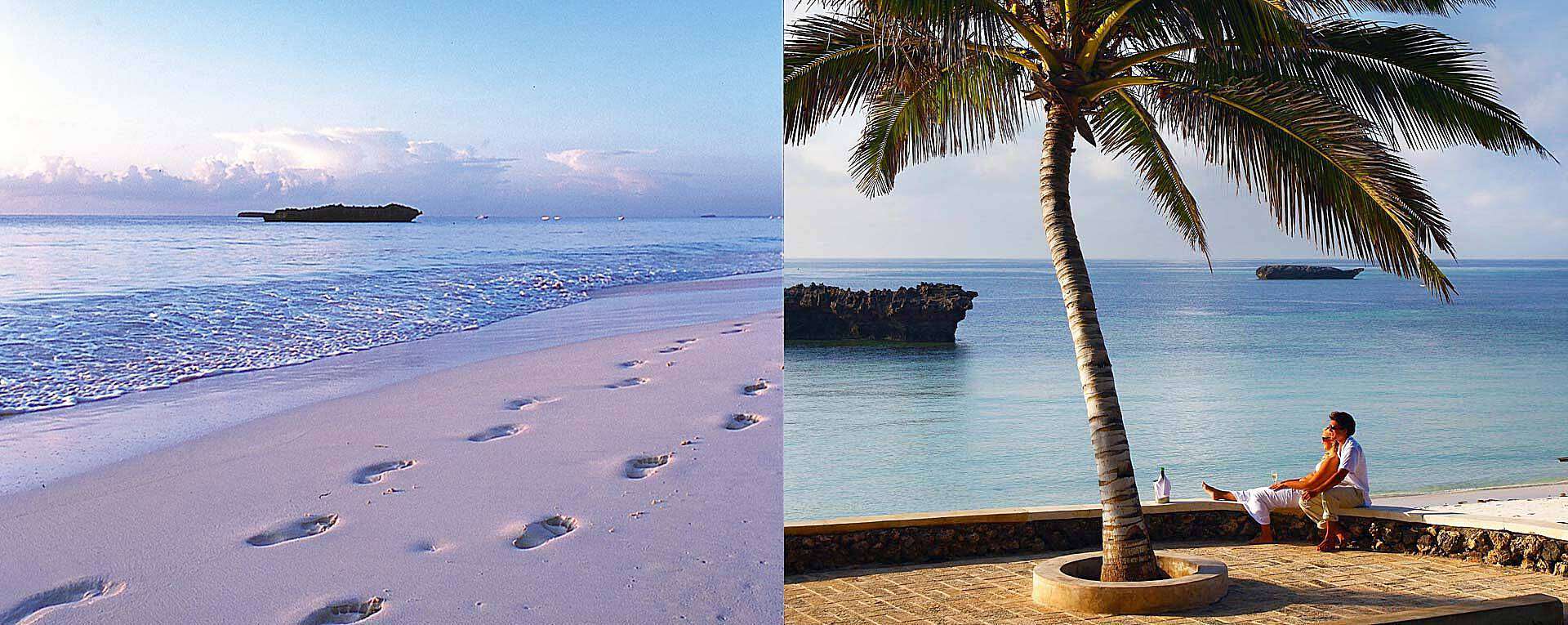
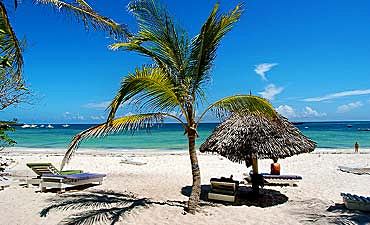
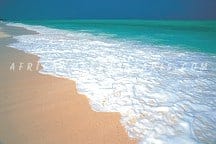
When you arrive in Watamu, you may come to realize that the expansive stretches of soft white beaches, ocean breezes gently swaying the coconut palms leaves and breathtaking turquoise water are exactly what you imagined for your ideal coastal escape in Kenya with AfricanMecca. The peaceful setting of over four-mile beach with three bays – Watamu, Blue Lagoon and Turtle – gives you access to warm ocean water for all of your preferred aquatic sports and marine activities, and also dining and enjoying refreshing cocktails in the evenings at restaurant-bars that are sited in secluded portions of the seaside. Just beyond the shoreline are stunning coral reefs that are protected by the Watamu Marine Park, offering world-class snorkeling and scuba diving to all who venture into the underwater world.
For your inland exploration, Mida Creek is a thriving ecosystem of mangrove forest and tidal wetlands where you find an abundance of feathered wildlife, such as bee-eater, sandpiper, sooty gull, osprey and many other resident and migratory bird species. The unspoiled coastal setting also provides critical nesting areas for the green, olive ridley and hawksbill turtle that have overcome the threat of losing future generations to the destruction of their nests and poaching of eggs. Today, these incredible creatures are protected by turtle conservation groups that not only safeguard against poaching, but also raise awareness and rehabilitate injured and unhealthy turtle.
Select Our Highly Recommended & Unique Designed Kenya Safaris That You Want To Tour Visit & Experience
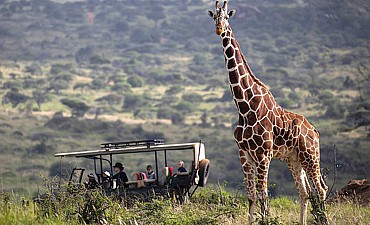
KENYA SAFARI PRICES
Read More +
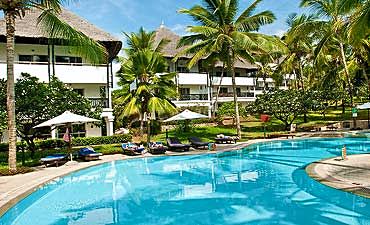
WHERE TO STAY IN WATAMU
Watamu offers a range of hotels, from the most opulent beachside villas where you are pampered with top service to deluxe resorts where you receive excellent service to affordable lodgings.
Read More +
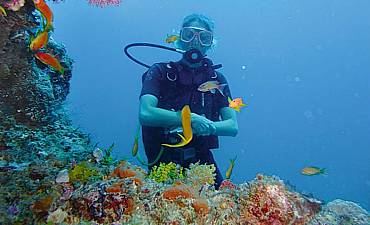
TOUR WATAMU ATTRACTIONS
Whether your activity of choice is water sports, marine explorations, visiting historical and cultural sites or learning more about the flora and fauna, Watamu offers a range of tour experiences.
Read More +
BEST TIME TO VISIT WATAMU
We consider July to October to be the best time to visit, as this is the longest dry season with cool coastal conditions and the skies are clear and sunny, but Watamu is a beautiful all year round.
AFRICANMECCA REVIEWS
What are our Customers saying about us? READ MORE REVIEWS
I recently returned back from my honeymoon in Kenya which included a safari and Indian Ocean beach vacation. Thank you to AfricanMecca for helping us plan the trip/honeymoon of a lifetime!
Holly & Michael Lapidus - New Jersey, United States
Our holiday in Malindi was fantastic, more than we could have expected. the travel arrangements you made for us between Nairobi and Malindi were great, everyone looked after us. Many thanks for all your help.
Mandy Salisbury - Hinckley, United Kingdom
Just wanted to let you know I got back last Sunday from a wonderful trip to Kenya. I met with the owner of the Driftwood Beach Club and he was delighted that his hotel was recommended by your agency.
Monique Ophorst - Naarden, Netherlands
Dear Altaf, We would like to thank you for arranging our holiday to Kenya. The Turtle Bay Beach Club in Watamu which we stayed in for the first week was excellent. The food and the service were first class.
Robert Ward - Essex, United Kingdom
Jambo Altaf, I want to let you know that both Dorothy and I found our two week trip to Kenya to be an absolutely wonderful experience. Our booking through AfricanMecca for our trip delivered everything we hoped for and more.
John Lowry - Cheshire, United Kingdom
We have been home for a week now from our Kenya safari and beach vacation, and we have to say it was really great!!! Everything worked smoothly and was really well organized, we will definitely further recommend your company.
Sascha Konrad & Shivani Patel - New Jersey, United States
I am writing to let you know that my mother and her friend, Carole, had a very good holiday in Kenya. We were all very happy with all your help in booking the trip. All the arrangements you had made for them went very smoothly.
Dr Christina Cousens - Moredun Research Institute - Scotland, United Kingdom
EAST AFRICA SAFARI & BEACH BOOKING TRIP IDEA FOR WATAMU IN EASTERN KENYA
When beach vacationing in Watamu, we recommend combining your safari to Masai Mara for the wildebeest migration, Amboseli, Samburu or Laikipia - Lewa, Nakuru, Elementaita, and Naivasha - Great Rift Valley Lakes. You can also climb the 2nd highest mountain in Africa: Mount Kenya.
You may optionally extend out to other wilderness areas of Meru, Chyulu Hills or Tsavo East - Tsavo West for an offbeat wildlife tour.
You can end your vacation at the Indian Ocean for a beach vacation and Swahili cultural tour on the exotic spice island of Zanzibar, Lamu, or Mombasa.
Best Safari Planning Ideas & Trip Experiences For Kenya
Below are guide references on how to plan each of the below safari experience in Kenya. Alternatively, go to the summary section for a quick overview of each trip planning experience.1. How To Plan Kenya Safari Trips? (Summary)
2. Wildlife Safari Trip Planning Guide For Kenya
3. Private & Tailor-Made Safaris Trip Planning Guide For Kenya
4. Honeymoon Safaris Trip Planning Guide For Kenya
5. Family Safaris Trip Planning Guide For Kenya
6. Luxury Safaris Trip Planning Guide For Kenya
7. Photo Safaris Trip Planning Guide For Kenya
8. Cultural Safaris Trip Planning Guide For Kenya
9. Primate Safaris Trip Planning Guide For Kenya
10. Hike, Trek & Bush Walk Safaris Trip Planning Guide For Kenya
11. Birding Safaris Trip Planning Guide For Kenya
12. Horseback Riding Safaris Trip Planning Guide For Kenya
13. Balloon Safaris Trip Planning Guide For Kenya
14. Wedding Safaris Trip Planning Guide For Kenya
15. Bush & Beach Safaris Trip Planning Guide For Kenya
READ MOREWATAMU BEACH & TOUR PLANNING DETAILS
Kickstart Your Beach Planning


ARE YOU PLANNING TO BOOK AN AFRICAN TRIP TO WATAMU IN KENYA?
Do You Need Knowledgeable, Experienced & Specialist Guidance For Your Travels In Watamu ? Let Us Help Plan Your Trip Itinerary Correctly
CONTACT AN AFRICA TRAVEL EXPERT ON WATAMU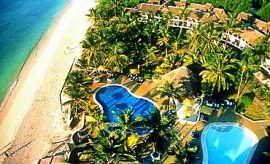


HAVE YOU VISITED WATAMU FOR A BEACH VACATION IN KENYA?
Write A Travel Or Tourist Trip Review To Share Your Experiences
WRITE WATAMU REVIEW













AMS BLOG
VIEW ALL - 24 December 2024 by AfricanMecca Safaris, in Blog For AfricanMecca Safaris,Safari Planning Blog Posts - AfricanMecca Safaris
What AfricanMecca Accomplished In 2024
What AfricanMecca Accomplished In 2024 Published By AfricanMecca Safaris | Blog ...READ MORE +- 26 October 2017 by AfricanMecca Safaris, in Blog For AfricanMecca Safaris,Safari Planning Blog Posts - AfricanMecca Safaris
Baggage Guidance, Flight Shuttle Service & Restrictions On Flying Safaris In Africa
Baggage Guidance, Flight Shuttle Service & Restrictions On Flying Safaris In...READ MORE + - 07 June 2017 by AfricanMecca Safaris, in Blog For AfricanMecca Safaris,Latest Kenya Blog Posts From AfricanMecca Safaris,Safari Planning Blog Posts - AfricanMecca Safaris
Masai Mara Horseback Riding Safari In Kenya With AfricanMecca
Masai Mara Horseback Riding Safari In Kenya Published By AfricanMecca Safaris | ...READ MORE +