
COUNTRY PROFILE & TRAVEL TIPS ON KENYA IN EAST AFRICA
Learn More On AfricanMecca Safari Tier Ratings & Experiences
READ MORE ON TRAVEL GUIDE FOR KENYARead More Information About Kenya As An East African Country
Lying on the east coast of Africa, shaped like a harp, the Republic of Kenya is a beautiful country with diverse topography. This varied topography divided by the equator contributes to an equally diverse climate since it includes warm coastal locales, temperate grassy plains, cooler highlands, tropical riverine forests and hot, arid desert regions.
You will also find snow-capped peaks here where the temperatures hover around sub-zero figures. Covering an area of around 224,962 square miles (582,650 square kilometers), it sits on the equator and shares borders with five other African countries – Tanzania, Uganda, Ethiopia, Sudan and Somalia.
Kenya’s geography is finely divided into four separate zones. With the Great Rift Valley running through it, Kenya is privileged to host some of the lakes of the valley, some alkaline while the others fresh with constant seismic activity still occurring under them. These avian inhabited lakes like Nakuru, often described as the 'the most fabulous bird spectacle on earth' are home to an astonishing plethora of birdlife, some of them on the endangered list and rare too, found only in Kenya.
Central Kenya comprises of an elevated, stunning green section spread around its three mountain ranges, Mount Kenya, the Mau and the Aberdares. A very fertile locale that includes lush forests, it produces many important crops that find their way into European markets. Besides the main crops of tea and coffee, Kenya also produces assorted kinds of flowers, fruit and vegetables that are evident of the gentle, temperate climate of its highlands. You will find both small and larger agricultural farms here.
In stark contrast, about one-third of Kenya is made up of hot arid regions that receive very little rainfall. Surprisingly though, this inhospitable terrain of scorching sands, solidified lava outcroppings and thorny scrubland also hosts the Ngoto, Nyiru, Kulal and Marsabit Mountains that have forests on their peaks watered by mist and frequented by speckled fauna. But Kenya has more.
Its fourth zone features 298 miles (480 kilometers) of Indian Ocean coastline that extends from 10 to 18 miles (16-30 kilometers) inland. Incredible coral reefs with a host of unusual aquatic denizens, shimmering white sands, turquoise blue ocean waters and verdant shore vegetation make up yet another wondrous facet of Kenya’s magical topography.
Kenya has an interesting amalgamation of cultures thanks to the centuries of migrants that arrived here and made it home. Every one of these people brought something new to the present day country, and Kenya’s culture that you see today has elements of all. You will find more than 40 various tribes here, among them the Maasai, Samburu, Turkana, Kikuyu, Luo, Luhya, Kalenjin, Kamba, Meru, Kisii and many others, each having their linguistic trends.
Their languages and those of the Europeans, Asians and Arabs that arrived in Kenya around 1800’s have together melded to create the three main groups of languages. Majority speak their tribal Bantu along with Nilo-Saharan and Cushitic languages while the minority speaks a mixture of Afro-Asian-Arabic dialects.
However, the most common voice that is also the national tongue is the Kiswahili language which is an eclectic combination of Bantu and Arabic with a tinge of Persian and also English knockoff words in the industrialized times e.g. busi for bus, koti as coat, baiskeli as bicycle etc. Kenya uses English as its official language.
The art forms in Kenya have also evolved to include elements of its native tribes’ music and dance with pop trends adopted from America, Europe, Asia and Arabian countries. Benga is a pop-genre of Kenya music created using African drums and modern musical instruments. You will also find strong influences of western dressing styles in the cities and major towns as the favored option of most Kenyans along with a minority of Arab-Swahili attire along the coast. However, in the more remote regions of Kenya, the Turkana, Samburu and Maasai people still prefer to dress traditionally.
The ethnic form of Kenya’s costumes are stunning to behold, though, most Kenyans save these elaborate clothing for special occasions. If you were to see a traditional Kenyan sporting the full regalia, you would see vibrant colors dominating with a combination of red, blue, black, green and yellow, gorgeous bead jewelry and other forms of ornaments for the body and a collection of traditional weaponries like spears and shields.
Most Kenyans have adopted Christianity as their religion and you will also find Muslims here along with Hindus, Sikhs and a minority of Buddhists and Jews – a true melting pot of Africa living in complete harmony and peace. But the ancient tribal mysticism still prevails as a strong undercurrent in the beliefs of the people.
Kenya and the East Coast of Africa have been mentioned in historical records by Roman and Greek sailors dating back to the first century. There are also writings by Arab voyagers like Al Masudi and Ibn Batuta from the seventh and tenth centuries. On the other hand, Kenya’s history dates back to the time when hominids first appeared on earth and archaeological finds in the Great Rift Valley point to the fact that man probably originated here. Thus, Kenya has earned the name, “Cradle of Mankind.”
The earliest people to populate Kenya were possibly Cushitic-speaking tribes that arrived here from Ethiopia in 2000 B.C. As more tribes continued to arrive from different parts of Africa, the land witnessed much strife between them. It was not until the 900’s that Arab merchants settled here, setting up trading posts. They not only introduced Islam to the natives but over the next eight centuries, these traders assimilated into the native world by intermarrying with them.
The European advent in Africa began with the 1498 arrival of Vasco Da Gama in Mombasa. But by the onset of the 18th century, the Arabs had managed to drive out the first Portuguese settlers. Soon Christian missionaries and other explorers drawn by the country’s natural treasures began to arrive and slowly, the British began to make their presence felt.
In the year, 1884 to 1885, the Congress of Berlin spilt Africa among the different European countries and Kenya became a part of the British Empire. They built the Uganda Railway to connect Uganda to the coastal ports, and soon the region was flooded with Britishers looking to tap the country’s commercial possibilities. They pushed the natives into living in specific areas, and those that resisted were simply overcome by their more advanced military capabilities.
The early 20th century saw a Kenya struggling under economic slavery until the first revolutionary, Harry Thuku, began an unsuccessful revolt in the 1920’s. Kenya’s freedom struggle began with Jomo Kenyatta, who became the president of the independence organization, Kenya African Union in 1944. And thus began a movement that was bloody at times with both British and Kenyans losing their lives. With diplomatic support and sheer resistance, Kenya finally achieved independence in 1963 and Kenyatta was elected the first President in 1964.
Most of Kenya’s land resources are under the control of the native government but in the years beginning from the 1990’s, the colonial government had been selling it to private and commercial investors. Under British rule, Kenyans were only allowed to grow food in the least fertile sections of farmlands. After independence, these farmers took over the land and formed small farm holdings or shambas.
Today, Kenya’s economy is largely based on agriculture and makes up a third of its total domestic product. Many cash crops are produced here such as coffee, tea, cashew nuts and various grains, and the country processes them for sale in both domestic and global markets in Europe, Asia, America, Middle East and Australia. Kenyan farms also produce corn, fruits, vegetables and flowers that find their way into urban and international markets, and sold along with handcrafted goods and other items.
Kenya also has many manufacturing plants that produce a wide range of goods like chemicals, steel, paper, rubber, furniture, plastic goods, cement and many others. Petroleum products, vehicles, iron, steel, machinery and other such items feature in Kenya’s imports that come from the Americas, Europe and Asia. Besides agriculture, tourism travel plays a vital part in contributing to Kenya’s international currency reserves and the creation of local jobs.
Kenya has a number of terrestrial and marine wildlife reserves and parks that are a major attraction for tourists from all over the world. These vacationers also contribute by shopping for the Akamba handicrafts that Kenya is so famous for. The tourism sector employs millions of Kenyans directly and indirectly.
Most common Kenyans work on a daily wage basis in industries such as construction, small crafts and mechanics. But the government and service sector as well as other industries also employ permanent workers. The mining industry is another source of income and employment for Kenyans. Most mining facilities are owned by international agencies; though, this is changing now.
The country has another very valuable resource, that of Kilindini Port in Mombasa that serves as a central harbor for importing and exporting goods to many inland countries like Burundi, Rwanda and Uganda. The port is linked to the other countries through a network of roads and railway lines.
Formerly under British rule, Kenya achieved independence on December 12, 1963, and Mzee Jomo Kenyatta, a highly revered, central figure of the freedom struggle became the first president after a nine year colonial-resistant imprisonment. Kenya also instituted a Constitution, and the political framework of the country works according to it. In August 2010, the country adopted a new Constitution and the general elections held in the year 2013 were conducted in accordance with its new regulations.
The Republic of Kenya is a unified country and democracy. Its National Assembly and Senate has careful representation from the people in every sector of Kenya’s population. The make-up of the members of the two houses has been outlined by the different articles of the Constitution. Kenya’s Senate comprises of 67 members aside from the Speaker, and the Constitution mandates that women, youth and disabled persons should also be represented in it. The National Assembly has 349 members excluding the Speaker, and all of these members are elected by the people from the different constituencies.
Women are also represented in the mandatory 47 members; while other sections of society like the youth of the country, people that are physically challenged and workers have representation in the 12 members elected to the National Assembly. Members of the National Assembly are called Members of Parliament or MPs while the members of the Kenyan Senate are called Senators. Each member holds post for a period of 5 years as does the President.
All general elections in Kenya such as the parliamentary, presidential and local are held once every 5 years in a fair and open environment, but questions on unfair play are always present. The President of Kenya, the Deputy President and the Cabinet Secretaries make up the executive section of the government. Though, the Cabinet Secretaries are not members of the National Assembly, and the President appoints only those personnel that the Assembly approves of.
The President is chosen in a direct election and needs more than 50% votes and an added 25% in half of the 47 counties of the country. After President Jomo Kenyatta, Kenya has had two other presidents -- Daniel Arap Moi and Mwai Kibaki, who served for two terms. In the March 2013 election, Uhuru Kenyatta got elected, the son of the first president of Kenya.
You can access Kenya from any part of the world by way of flights to Nairobi or Mombasa or even on a cruise ship that dock on the island of Mombasa. Since many international flights cater to global travelers, you could find varied options from Europe, America, Asia, Middle East and Australia. Jomo Kenyatta International Airport in the south of Nairobi is Kenya’s main hub.
Moi International Airport in Mombasa is an alternate airport but this base is used more for domestic and chartered flights with beach holidayers and also for flying in and out of Zanzibar and other regional areas within East Africa. Advantageously, few international airlines like Turkish, Qatar, Ethiopian are now using the secondary Mombasa base to offer lower cost flights to Kenya.
The “Pride of Africa”, Kenya Airways, provides domestic, regional and international travel from Nairobi and Mombasa. Wilson Airport in Nairobi is the base for domestic and safari park flights but also serves few regional destination airlines within East Africa. Using Wilson Airport as a base, you can book scheduled or charter flights to reach the main lodges and camps in the many reserves and parks in Kenya.
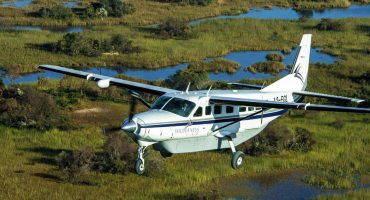
Lightweight aircraft with either single, twin or four engines that can carry 3 to 50 passengers are available via AfricanMecca, and these planes can land on the private airstrips closest to your safari accommodation. Upon landing, your guides will meet and transfer you to your camp or lodge for check-in. If you would like to travel to Masai Mara, Amboseli, Samburu, Laikipia, Meru and other wilderness park destinations within Kenya or East Africa, it is most convenient and cheaper to fly from Nairobi Wilson.
If you would like to travel to Masai Mara, Amboseli, Samburu, Laikipia, Meru and other wilderness park destinations within Kenya or East Africa, it is most convenient and cheaper to fly from Nairobi Wilson. Destinations like Masai Mara and Amboseli are also accessible from Mombasa but with high flight costs due to the distance and lack of competition. You have the option of taking the train, and there are services that operate between Nairobi and Mombasa on fixed days and are usually overnight trips.
Although, Kenya has a network of 1284 miles (2066 kilometers) of railway tracks, the operation service is dismal, and you are likely to experience delays, cancelled trains with inadequate accident insurance coverage for travelers. The cabins and customer services are of deprived standards. Buses connect the main towns of Kenya and most common Kenyans prefer to use them, but you also have the option of travelling by heavy duty safari vehicles like Range Rovers, Jeeps, Land Cruisers and other 4 Wheel Drives.
Driving yourself is also an option but only recommended if you have experience driving in the East African environs since high traffic and road accidents in Kenya are prevalent. If you intend to do so knowing the risk, you need a license issued by the Kenya Road Transport Office that is valid for three months for visitors. Or you could get an International Driving License before arriving in Kenya. Do remember, though, that Kenyans drive on the left of the road and the speed limit for a public service vehicle is 50 mph (80 kph) on highways and 18 to 30 mph (30-50 kph) in built-up areas, towns and other city areas.
The Kenya ETA system is a semi-automated process that checks the eligibility of visitors who want to travel to Kenya. It is a travel permission granted by the Government of the Republic of Kenya. You are required to apply for a Kenya Electronic Travel Authorisation (ETA) before your arrival into Kenya. Read More
If you are traveling to Kenya with AfricanMecca Safaris, you will experience our superb meet and greet service on arrival at the airport, complemented with hotel transfers to and from the airport. Our representative will help you with your baggage; and if you have planned a safari and are headed to a park or reserve, we will introduce you to your guide that will be leading you to your wilderness destination.
At your accommodation, their porters will assist you with baggage drop-off service to your room. It is recommended that you carry a maximum of 15 kg or 33 pounds of baggage per passenger since that is the weight allowance on safari aircrafts and climbing expeditions. If you are using an accommodation in Nairobi or Mombasa as a base, you can request that they store your excess luggage at their front desk while you tour the parks, reserves or go mountain climbing. We can also safeguard it for you at one of our in-country team offices. Only make sure your baggage is securely locked before you give it in for storage.
Bringing the right clothing and personal items on your Kenya safari not only keeps you safe and comfortable, but also increases your enjoyment of the many adventurous activities available during your travels. Read More
When touring Kenya, you will only need to take common-sense safety measures that you would take when visiting any other country the world. Keep careful watch on your belongings like cameras, purses, wallets and baggage when moving through crowded spaces. It is also prudent to avoid attracting unnecessary attention by not wearing precious or even imitation jewelry like bangles, earrings, necklaces, etc.
If you need to travel at night, make sure you do not venture out on foot and do stay clear of deserted streets and alleyways, especially those that are not well lit. If you must go out, hire a reliable taxi service that operates under regulations and has the proper insurance. Your best option is to request AfricanMecca Safaris to arrange for a transfer service.
Carrying a lot of cash with you is also not advisable, and it is recommended that you use credit cards as far as possible with minimal cash with you. Stow your cash in the safe deposit lockers that are usually provided by accommodations. But make sure you count it when depositing and retrieving. Carry security envelopes with you and make sure they are sealed with a carefully counted amount of cash. Do not leave cash lying around and without supervision.
In case there are any public meetings, demonstrations or political rallies, make sure you avoid them for security reasons. When planning for your trip to Kenya, AfricanMecca will advise you of any events and we can make logistical adjustments accordingly if needed. We are committed to your safety and comfortable travel. AfricanMecca also has customer care officials available 24 hours a day and 7 days a week should you need any kind of assistance in any emergency situations.
Although not mandatory, tipping is an admirable way to share your satisfaction with your guide and varied staff service you will receive while in Kenya. Read More
The Kenyan climate is perfect for your year-round African bush and beach holiday. The moderate to equatorial temperatures mean that you are comfortable during your daytime game drives and other outdoor activities. Read More
Kenya has a progressive communications network for domestic and international telephone and fax services. International direct dial is available in most cities and towns. For remote destinations that do not offer these services, you may have access to mobile services or even radio links for relaying messages as needed. It is advisable that you obtain a local SIM card for your tour in Kenya, and if desired, your AfricanMecca representative can assist you with purchasing a compatible but inexpensive GSM network mobile device and local SIM card in Nairobi or Mombasa.
You can also use the postal mail service while in Kenya, and all mail can reach North America, the Middle East, Asia, Australia and Europe within a timeframe of 5 to 14 days. While you can use internet services at the many cafes in the major cities, you are also likely to find them in smaller upcoming towns too. By using a smart phone, you could access the internet too. Further, most Kenya accommodations in the cities and some lodges and camps also offer Wi-Fi services to their leisure guests and business travelers.
Kenya has a wonderful fused culture thanks to the many different people that arrived here over the centuries and made the country their home. They also brought along their cooking styles and thus Kenyan cuisine is an eclectic combination of all elements. You will find European, African, Arabic, Indian and Asian food including delicacies from Japan and China.
Try an amazing variety of meats, poultry, finest and freshest seafood sourced from the Indian Ocean and the choicest of farm produce brought in from fertile regions of the Great Rift Valley. You can also try juicy fruits from the coast and the best of Swahili cuisine. Vegetarians, vegans and visitors with religious dietary constraints looking for halal or limited kosher meat can find every kind of food they need.
You can check out the many city restaurants when vacationing in Kenya where you can order Indian Tandoori Food, a Continental Sunday Roast for lunch, Injera from Ethiopia, gourmet French preparations and even Korean barbecues. Or you could try the formidable meat roasts at the various choma joints of Kenya, the most famous among them being the Carnivore in Nairobi. These joints serve Nyama Choma that means grilled meat.
Generous slabs of meat are chargrilled slowly on large, open, charcoal fires that lend a special earthy flavor to them. Relish them with accompaniments of ugali, a stiff porridge made of maize flour and sukuma wiki, a mixed green vegetables dish, a traditional meal that you must absolutely try on your tour in Kenya. Of course, if you are traveling in the many parks and reserves in Kenya, you could try the al fresco dining experience at your bush camp or lodge augmented by its varied culinary delights.
Make sure that all baggage is securely locked when not in your direct possession. Since customs officials will be inspecting all baggage, please be prepared with the keys. While you are allowed to carry personal possessions like laptops, cameras and camcorders with you without a duty charge, you are not permitted to sell them in Kenya. The customs official at the entry point might choose to make a list of these belongings on your passport. When you leave the country, the concerned official could verify that you still have the listed objects with you on departure.
When traveling in international locations, it is always prudent to be careful with your food and beverage intake in case your digestive system is not adapted to unfamiliar food. Most hotels and lodges provide you with safe boiled or bottled drinking water. But if you are touring parks and reserves, you might want to carry bottled water with you from Nairobi or Mombasa to avoid the high prices you might have to pay at remote safari locations.
Our representative will assist you by directing you to a convenient store in Nairobi or Mombasa where you can buy the bottled water supplies you will need for your safari trip around Kenya. This is normally recommended for road safaris; however, for air safaris, this is not recommended as you have a restricted weight allowance.
The main electricity grid serves all urban accommodations in Kenya along with their own backup generators. When you visit the many camps and lodges in the parks and reserves, you will find that their power is produced by using eco-friendly solar panels supplemented with generators and invertor batteries. Few have access to the power grid. The main power grid and generators provide 240 volts AC 50 cycles. You could also find shaver sockets with 110 volts 50 cycles. It is advisable that you carry the British three pin, rectangular adaptors (BS1363-3) or multi-pin voltage converters/adapters, especially if you are traveling to Kenya from North America and mainland Europe. Check with your safari accommodation in Kenya regarding their rules on the use of hairdryers.
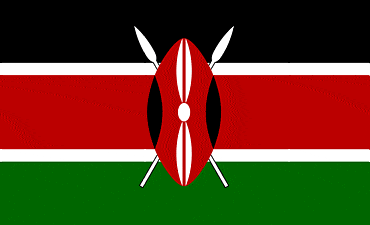
Kenya’s flag comprises of three horizontal bands of equal width, each separated by slimmer band of white. The black band at the top signifies the natives of Kenya while the red band in the center is in memory of the blood sacrifice of freedom seekers. The green band at the bottom stands for the natural resources that Kenya has and the white bands stand for the values of peace and love that are inherent in all Kenyans. You will also see a warrior’s shield in the center with two crossed spears behind it. This symbol represents the traditions and cultures of Kenya.
Below is a list of the public holiday dates for Kenya. The observances of public holidays in Kenya may affect some of your day tour activities especially in the metropolises where government operated museums are closed. Both Eid al-Fitr and Eid al-Adha public holidays in Kenya differs from year to year since they are based on the Islamic Lunar Calendar.
Thus, when planning your trip in Kenya, you might want to factor in the holiday dates and days especially if you have plans to visit museums in Nairobi and Mombasa. Typically, Kenyans observe Eid al-Fitr that marks the end of the revered month of Ramadan. They also celebrate the Eid al-Adha or the Feast of Sacrifice, in memory of Prophet Abraham dedicating his son Ishmael to God by offering to sacrifice him.
National Holidays
New Year's Day – 1st January
Good Friday – In March or April
Easter Monday – In March or April
Labor Day – 1st May
Madaraka Day – 1st June
Mashujaa Day – 20th October
Independence Day – 12th December
Christmas Day – 25th December
Boxing Day – 26th December
Lunar Public Holidays
Eid al-Fitr – at the end of Ramadan
Eid al-Adha – 10th day of Dhul Hijjah
When vacationing in Kenya, make sure you have the necessary personal travel insurance and are covered in case you need medical treatment, evacuation from the country or continental hospital stays. Medical care in Kenya is very expensive, and facilities can request that you pay cash or card for any care you need that you can later claim from your insurance provider. All medical care is only fairly optimum in Nairobi and Mombasa by way of the standard of facilities and the treatment you can receive. You also need to ensure your travel insurance is comprehensive in all ways but also sourced from a reputable insurance provider. Review the list of travel insurers at https://www.ustia.org.
AfricanMecca can assist with getting you in touch with a provider based on your travel requirements. This ensures your peace of mind and will help you with any emergency situations such as ground and air travel mishaps, medical issues, lost or delayed baggage and more.
Before arriving in Kenya, it is advisable that you get all the necessary vaccinations. If you are entering or transiting (12 hours of more) from a country that is endemic or a designated hot spot for Yellow Fever, Kenyan authorities require that you submit proof of vaccination against the disease before you are allowed entry.
It is also recommended that you have a vaccination against cholera along with the required certification. Please speak to your doctor or travel clinic, and carry prophylactic drugs to protect yourself from malaria. Also, consult with the CDC website for information regarding your risk of hepatitis.
If you regularly take prescribed medication, make sure you have adequate supplies with you when planning your stay in the country. While there are many pharmacies stores where you can find varied medicines, you might encounter delays in getting your prescription filled or it could simply be unavailable in Kenya. If you feel you might need medication for minor ailments and allergies that you can buy over the counter, you should carry them from your home country.
Since you will spend much of your time in the outdoor, carry adequate amounts of sun protection such as sunscreen lotions, wide-brimmed hats and long clothing that keeps exposure to the sun the bare minimal. In some highland locations, nighttime temperatures can be low, so carry a warm layer or two. As in all other countries, HIV is a serious health risk. Thus, it is advisable that you avoid sexual encounters with strangers.
Kenya uses the British Metric System e.g. kilograms for weight and kilometers to measure distances. Do keep in mind that 1 kilogram is equivalent to around 2.2 pounds, and if you cover a distance of 0.62 miles, you journeyed a kilometer.
All news and media agencies in Kenya were formerly owned and controlled by the state, but more and more private channels and mediums are now in operation. This is a result of the institution of the multi-party political structure in Kenyan policymaking and the globalization of media. The radio always has been the main source of information for the locals in both urban and rural areas, and on your vacation in Kenya, you will be able to tune into local and global radio channels such as the BBC and Voice of America as well as over 80 FM stations that include channels in local languages but also English.
Most channels are aired by companies such as the Nation Media Group and Kenya Broadcasting Corporation. Cities like Nairobi, Kisumu and Mombasa receive complete coverage of the BBC World Service.
Television services are widely available in the urban towns and cities, and as yet, the issues with the availability of electricity had hampered access to television viewing in rural areas. However, this situation is also changing as digital TV is now being instituted. You can have access to South Africa's MultiChoice and Zuku TV. The Nation and Standard are the two primary newspaper companies while the Coastweek in Mombasa traditionally releases its newspaper every Friday. Other newspapers are The Star, Taifa Leo, The EastAfrican, The Kenya Times, Business Daily and more.
When going on a shopping trip spree in Kenya, you will find an unimaginable range of locally crafted items, each as beautiful and distinctive as the country where it was crafted. Choose from stunning bead jewelry, brightly-colored fabrics that the Maasai love to wear or the Swahili kanga or kikoy, Akamba handcrafted curios, precious gems, Arabica coffee, the finest in the world and unique African music albums and books. You could also pick out coastal furniture like Lamu beds, coffee tables to chairs and also distinct artwork like wildlife canvas paintings to framed interior design pieces.
Travelers on a tight schedule could souvenir shop at the hotel, camp or lodge where they are staying since most accommodations offer some of the mementos, though, at a much higher price tag. But to truly experience the charm of shopping in Nairobi and Mombasa, you must visit the local bazaars with some held every week in different locations.
As you wander through the bustling markets, you will find many rare treasures tucked away in the little corners of the tiny duka shops. Enjoy the pride with which every craftsman displays his wares, and above all, revel in the fascinating art of bargaining while vacationing in this buzzing region of Africa.
Bargaining is an expected and accepted part of the Kenyan shopping experience where most vendors are likely to quote a higher price. They expect you will haggle and settle at a lesser original asking price, sometimes even half. While you enjoy the feeling of a good deal, do respect the time and effort the craftsman must have put into the fabulous creation in front of you, and if you can afford it, pay slightly higher than the final negotiated price. You could also browse through the various small stores during your city day tours.
Some of the stores are supplied the handicrafts by cooperatives, but there are also high-profile malls and shopping complexes where you can pick out ultra-distinct, top-notch quality products. Do remember though that products made from game trophies are illegal in Kenya so if you are offered one of those, they are probably imitations made from plastic and domestic animal produce.
If you smoke, please inform AfricanMecca Safaris at the time of planning your trip in Kenya. In cities, we can arrange for accommodations for you that have designated rooms for smokers; however, camps and lodges do not have smoking rooms or tents due to limited capacity since they are also used by non-smoking guests and children. Most safari lodgings do they have designated spots where you can smoke. Please refrain from smoking when in a group by way of respect for their health. You are also not allowed to smoke when on game drives or during any tour activity.
Physically challenged people traveling in Kenya might find that besides the international airports, very few public areas are equipped for their needs. Though, there are few accommodations that have specially located and facilitated rooms for guests with special needs. At AfricanMecca Safaris, we like to make sure all our guests are comfortable and that all their needs are addressed during their tour of Kenya, so please do let us know in advance if you need special care and we will ensure that you are well looked after.
Information about the time zone of Kenya can help you plan your arrival and departure flights. Kenya does not have a daylight saving system and follows a time zone 3 hours ahead of London Time, which is the same as Greenwich Mean Time. If you are flying into Kenya from New York, you can expect a time zone ahead of your own by 8 hours.
While you can bring your pet with you on your vacation in Kenya, do make sure you have the necessary health clearances and permits in place before your arrival. Please inform AfricanMecca about your intention of bringing your pet so we can arrange for the appropriate accommodation that allows pets because very few accommodations allow domesticated animals in their premises.
The country's official currency is the Kenyan Shilling (KES or KSHS), and one shilling comprises of 100 cents. You can find currency notes of the denominations 100, 200, 500 and 1,000. You can exchange your foreign currency for the local currency at the Nairobi or Mombasa Airports through their foreign exchange bureaus. While you can also make an exchange at the hotel, camp or lodge where you are staying, the airport bureaus will give you a better rate.
Additionally, banks at the airport also have longer working hours than those branches in the cities. Typically, banks work from Monday through Friday between 9:00 in the morning and 3:00 in the afternoon. Few bank branches also operate on Saturdays. While credit cards are increasingly accepted in major hotels in key cities like Nairobi and Mombasa, you may want to use cash during your travels. You should expect to pay a high bank fee for credit card use in Kenya. You may bring international currency such as US Dollars (widely preferred), Euros and British Pounds into Kenya.
CONTACT AND TALK TO OUR SAFARI EXPERTS TODAY TO KICK-START YOUR TOUR PLANNING PROCESS
Request Kenya Custom Or Tailor-Made Safari Pricing Based On Your Specific Travel Dates At Your Preferred Safari Tier Camp Or Lodge
CONTACT AN EXPERT ON KENYA SAFARI PRICES & TOURS
Read More +
SAFARI PRICES FOR KENYA
Review individual itineraries and prices of our suggested Kenya safaris with the option of customizing your Africa tour based on your needs and preferences.
Read More +
AFRICA TRIP IDEAS FOR KENYA
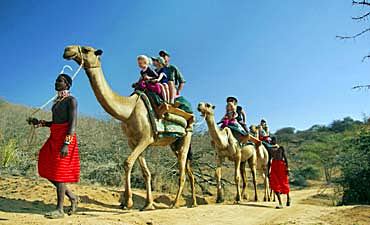
Review experiences available in Kenya from photo wildlife safari, horse and camel riding, walking, family to honeymoon beach vacation, dive, snorkel & fish etc.
Read More +
PARKS & RESERVES IN KENYA
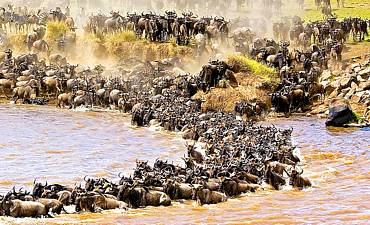
Review information on wildlife parks and reserves in Kenya i.e. Masai Mara, Amboseli, Samburu, Laikipia, Lewa, Tsavo, Chyulu, Nakuru, Meru and more.
Read More +
ACCOMMODATIONS IN KENYA
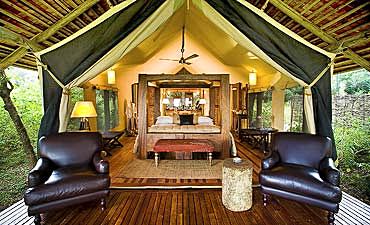
Review information on safari lodges, camps, city hotels, coastal resorts in Kenya's pristine wilderness, cities, Swahili beach shores and idyllic islands.
Read More +
BEST TIME TO VISIT KENYA
Review details on the best time to go to Kenya to visit its various wildlife outback, forests, rivers, islands, lakes, beaches, mountains and other wildernesses.
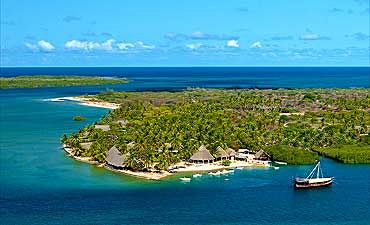
Read More +
BEACHES & ISLANDS OF KENYA
Review Kenya's stunning Indian Ocean coast where the deep cobalt blue and turquoise waters gently wash up white sand beaches that create a tranquil setting.
Read More +
KENYA COUNTRY PROFILE
Review country information and travel tips on Kenya i.e. geography, culture, history, climate, tipping guide, what to pack and wear, entry requirements and more.
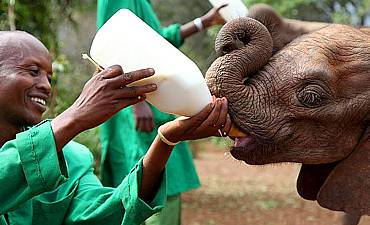
Read More +
CITY DAY TOURS FOR KENYA
Review city tour suggestions on full or half day options in Nairobi, Mombasa, Watamu, Lamu. Experiences can be customized around your vacation travels.
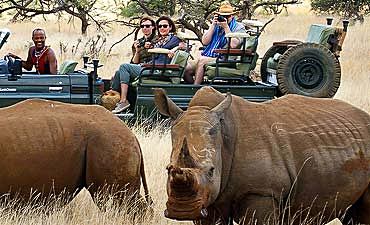
Read More +
AFRICAN SAFARI PRICES
Check out safari prices and itineraries for parks and reserves in other African countries e.g. Tanzania, Uganda, Rwanda, Botswana, South Africa, Zambia etc. Namibia, Mozambique, Malawi and Zimbabwe are available on request.
AFRICANMECCA REVIEWS
What are our Customers saying about us? READ MORE REVIEWS
On behalf of myself, my wife and my two adult daughters, I want to sincerely thank you and AfricanMecca Safaris for our fabulous recent safari to Amboseli National Park and Masai Mara National Reserve in Kenya.
Robert Schenkein - prVision Photography Studio - Colorado, United States
Dear Raza, The accommodations you recommended were superb. We loved them all -- Giraffe Manor, Wilderness Trails, Governor's Il Moran, Ngorongoro Crater Lodge and Mnemba Island Lodge.
Pat Bernard, Vice President, Global Channel Sales, Novell Corp - New Hampshire United States
Jambo Altaf and Raza! We are back on earth now after our fabulous honeymoon. This is to say THANK YOU so much for organising a week in Kenya that we will never forget.....!
Dr Krina Zondervan, Oxford University - United Kingdom
Jambo Raza!!! The safari trip was spectacular! Everything went off without a hitch. We loved the Masai Mara. The migration was awesome. You listened to what I wanted and delivered it perfectly.
Judi & Chaim Platt - Toronto, Canada
I cannot say enough about the quality of AfricanMecca. Their teams in Kenya and Tanzania were top notch. Raza, again thanks to you and your entire organization! We will be repeat customers.
Dan Kobick - Managing Director, PricewaterhouseCoopers - New York, United States
Jambo Raza, The Lake Nakuru outing was great! We saw lots of pelicans, some flamingos, both black and white rhino... We've already recommended a Kenya safari to friends and relatives. Thanks again
Scott Aaronson - Associate Professor, M.I.T - Boston, United States
This is to let you know my guests, The Bryant's, had a wonderful time on the trip Samburu, Masai Mara/Kenya, Chobe/Botswana & Victoria Falls/Zambia. Everything was perfect! Thank you..
Christine Milan - MT Carmel Travel - Connecticut, United States
EAST AFRICA SAFARI BOOKING & TOUR HOLIDAY IDEA KENYA
When visiting Kenya, we recommend combining your safari to Masai Mara for the wildebeest migration, Amboseli, Samburu or Laikipia - Lewa, Nakuru, Elementaita, and Naivasha - Great Rift Valley Lakes. You can also climb the 2nd highest mountain in Africa: Mount Kenya.
You may optionally extend out to other wilderness areas of Meru, Chyulu Hills or Tsavo East - Tsavo West for an offbeat wildlife tour.
You can end your vacation at the Indian Ocean for a beach vacation and Swahili cultural tour on the exotic spice island of Zanzibar, Lamu, or Mombasa.
Best Safari Planning Ideas & Trip Experiences For Kenya
Below are guide references on how to plan each of the below safari experience in Kenya. Alternatively, go to the summary section for a quick overview of each trip planning experience.1. How To Plan Kenya Safari Trips? (Summary)
2. Wildlife Safari Trip Planning Guide For Kenya
3. Private & Tailor-Made Safaris Trip Planning Guide For Kenya
4. Honeymoon Safaris Trip Planning Guide For Kenya
5. Family Safaris Trip Planning Guide For Kenya
6. Luxury Safaris Trip Planning Guide For Kenya
7. Photo Safaris Trip Planning Guide For Kenya
8. Cultural Safaris Trip Planning Guide For Kenya
9. Primate Safaris Trip Planning Guide For Kenya
10. Hike, Trek & Bush Walk Safaris Trip Planning Guide For Kenya
11. Birding Safaris Trip Planning Guide For Kenya
12. Horseback Riding Safaris Trip Planning Guide For Kenya
13. Balloon Safaris Trip Planning Guide For Kenya
14. Wedding Safaris Trip Planning Guide For Kenya
15. Bush & Beach Safaris Trip Planning Guide For Kenya
READ MORETRAVEL PLANNING GUIDE FOR KENYA
Kickstart Your Safari Planning


ARE YOU PLANNING TO BOOK AN AFRICAN SAFARI TO KENYA?
Do You Need Knowledgeable, Experienced & Specialist Guidance For Your Travels In Kenya? Let Us Help Plan Your Trip Itinerary Correctly
CONTACT A KENYA VACATION EXPERTEXPLORE MORE ON NATIONAL PARKS, CAMPS, LODGES, BEACHES & RESORTS IN KENYA


HAVE YOU VISITED EASTERN AFRICA FOR A SAFARI IN KENYA?
Write A Travel Or Tourist Trip Review To Share Your Experiences
WRITE KENYA TRIP REVIEW









AMS BLOG
VIEW ALL - 24 December 2024 by AfricanMecca Safaris, in Blog For AfricanMecca Safaris,Safari Planning Blog Posts - AfricanMecca Safaris
What AfricanMecca Accomplished In 2024
What AfricanMecca Accomplished In 2024 Published By AfricanMecca Safaris | Blog ...READ MORE +- 26 October 2017 by AfricanMecca Safaris, in Blog For AfricanMecca Safaris,Safari Planning Blog Posts - AfricanMecca Safaris
Baggage Guidance, Flight Shuttle Service & Restrictions On Flying Safaris In Africa
Baggage Guidance, Flight Shuttle Service & Restrictions On Flying Safaris In...READ MORE + - 07 June 2017 by AfricanMecca Safaris, in Blog For AfricanMecca Safaris,Latest Kenya Blog Posts From AfricanMecca Safaris,Safari Planning Blog Posts - AfricanMecca Safaris
Masai Mara Horseback Riding Safari In Kenya With AfricanMecca
Masai Mara Horseback Riding Safari In Kenya Published By AfricanMecca Safaris | ...READ MORE +