
GUIDE ON MOUNT KENYA NATIONAL PARK IN KENYA
Celebrating Kenya’s iconic landmark, Mount Kenya National Park offers a distinct highlands safari in central Kenya to the discerning AfricanMecca guest. Whether you are traveling alone, with a special someone, with a group or your family, the park is fascinating, majestic and glorious. The 276 square miles (715 sq. km) park is part of a larger wilderness that covers a total of 854 square miles (2124 sq. km).
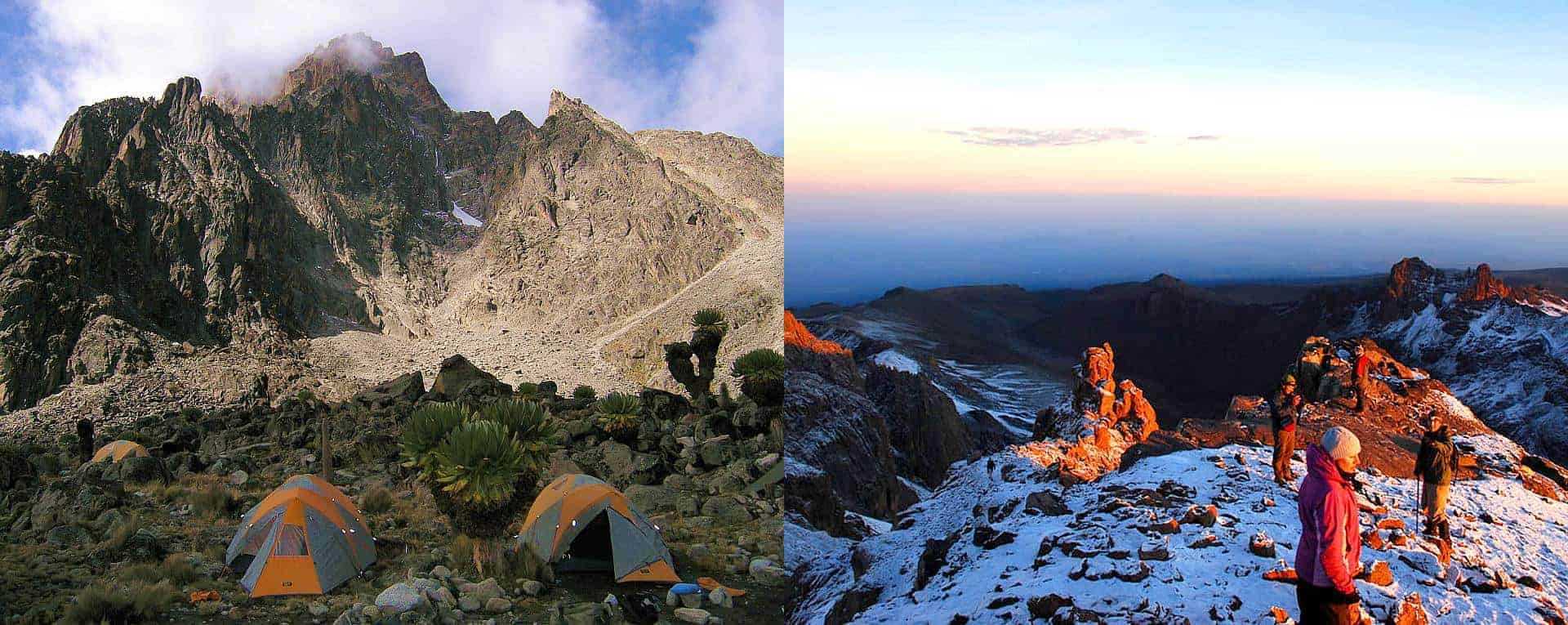
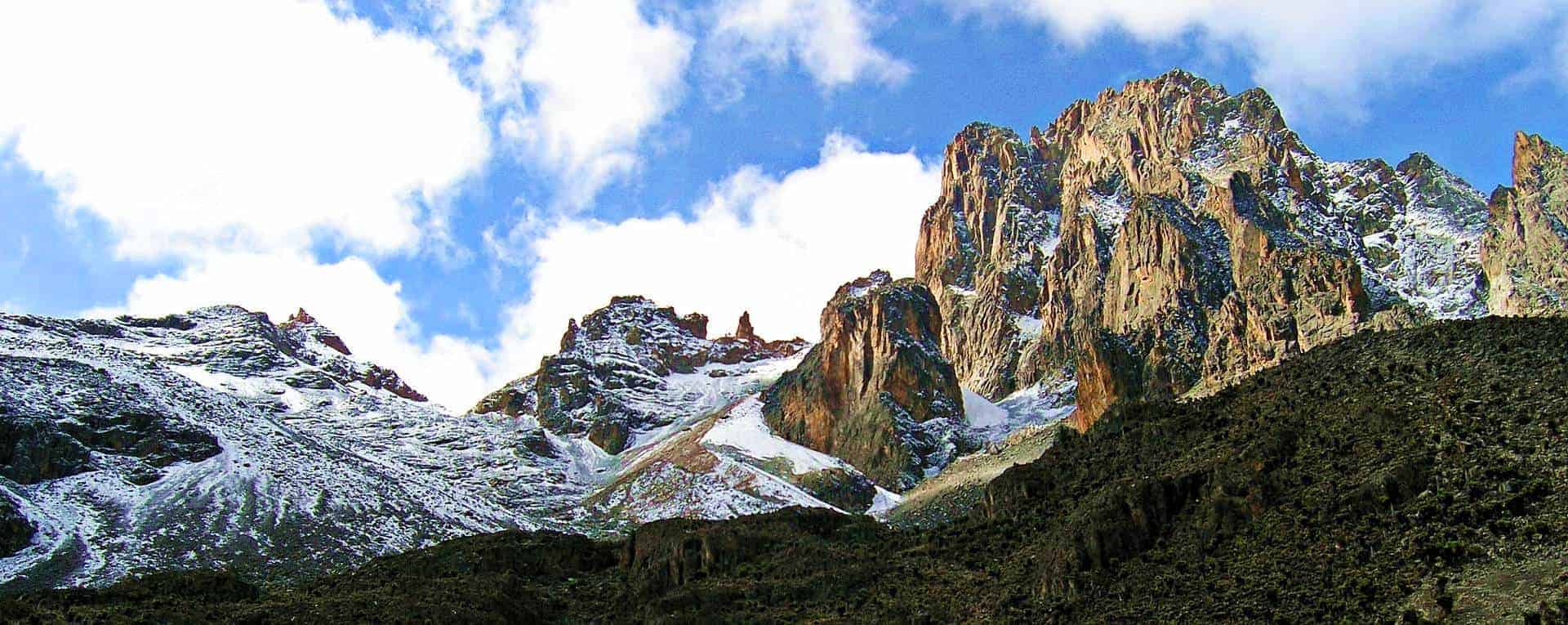
Within the frontiers is a stunning variety of ecosystems that begin at the lower foothills and extend to the peak at 5199 meters. At the base are semi-arid plains that gradually transition to mountain forests, moorlands and glacier fields.
Mount Kenya is internationally recognized as an exceptional example of an equatorial mountain. With an enduring crown of ice, the area has eleven remaining glaciers, the largest of which is the vanishing Lewis Glacier between Teleki Valley and Point Lenana. Beyond the global environmental value of Mount Kenya, the extinct volcano is the national icon of Kenya, as well as a UNESCO World Heritage Site, a supremely protected escape for forest and lowlands wildlife and a much-desired feat for climbers who are enticed by the extreme terrain of vertical rocks and glacier summits.
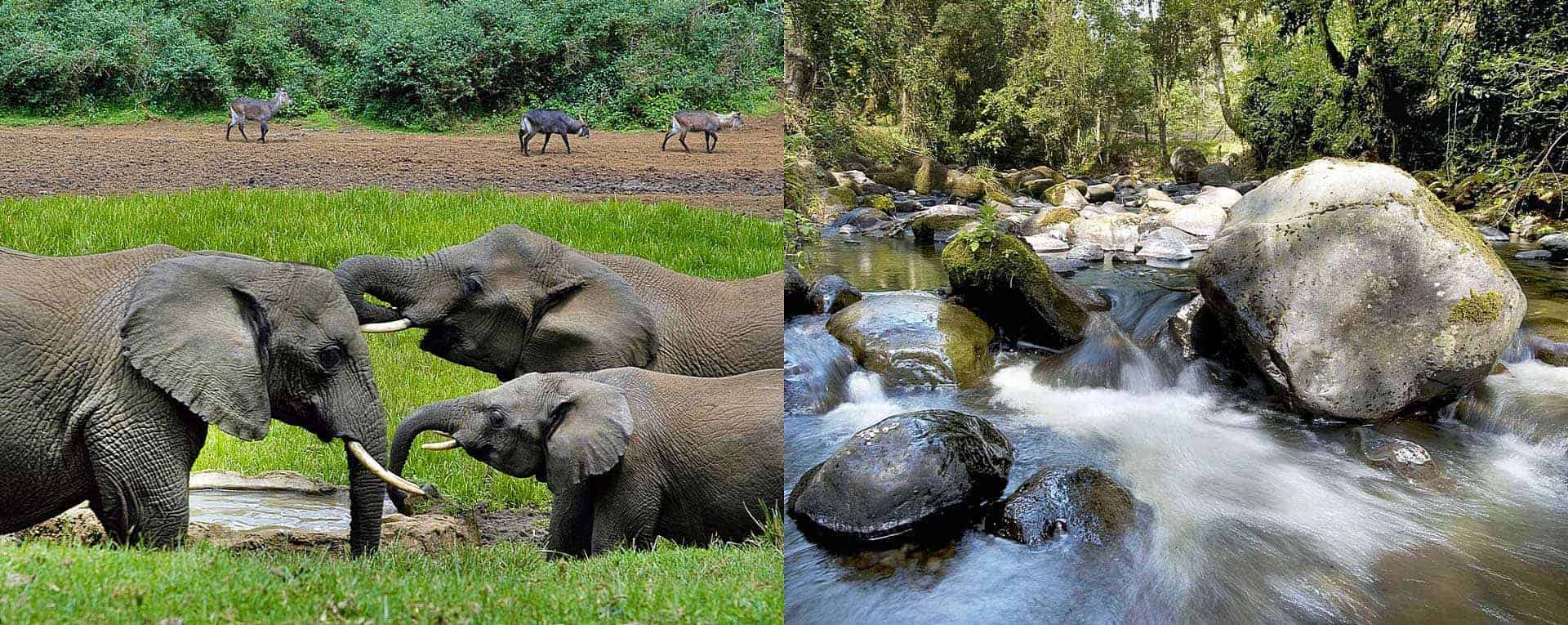
Flora diversity is unimaginable and sure to be a noteworthy aspect of your forest tour at Mount Kenya National Park. Guests experience alpine and sub-alpine vegetation, as well as mountain and bamboo forests, tundra and grasses that reach as far as the snow. The varied plants and trees support species that change along with the elevation.
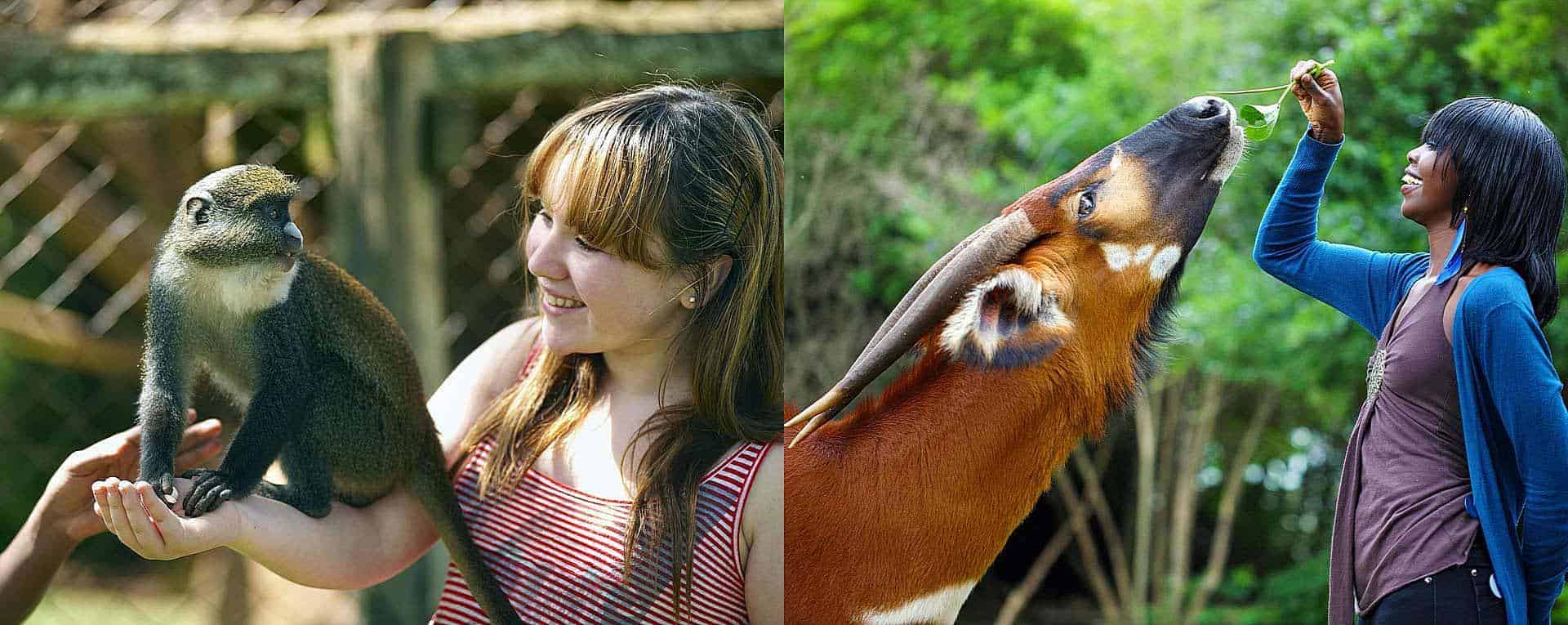
White and black colobus monkeys are found in the ravines, and Sykes’ monkeys can be viewed along the tracks. Earthen mounds of dirt in the Hinde Valley mark the homes of endemic Ruppell’s root rats, and subtle lines in the earth in the mossy glades show the underground routes that are used by mountain mole shrews. Your guide may also point out large mounds in the glades that are the result of giant mole rats.
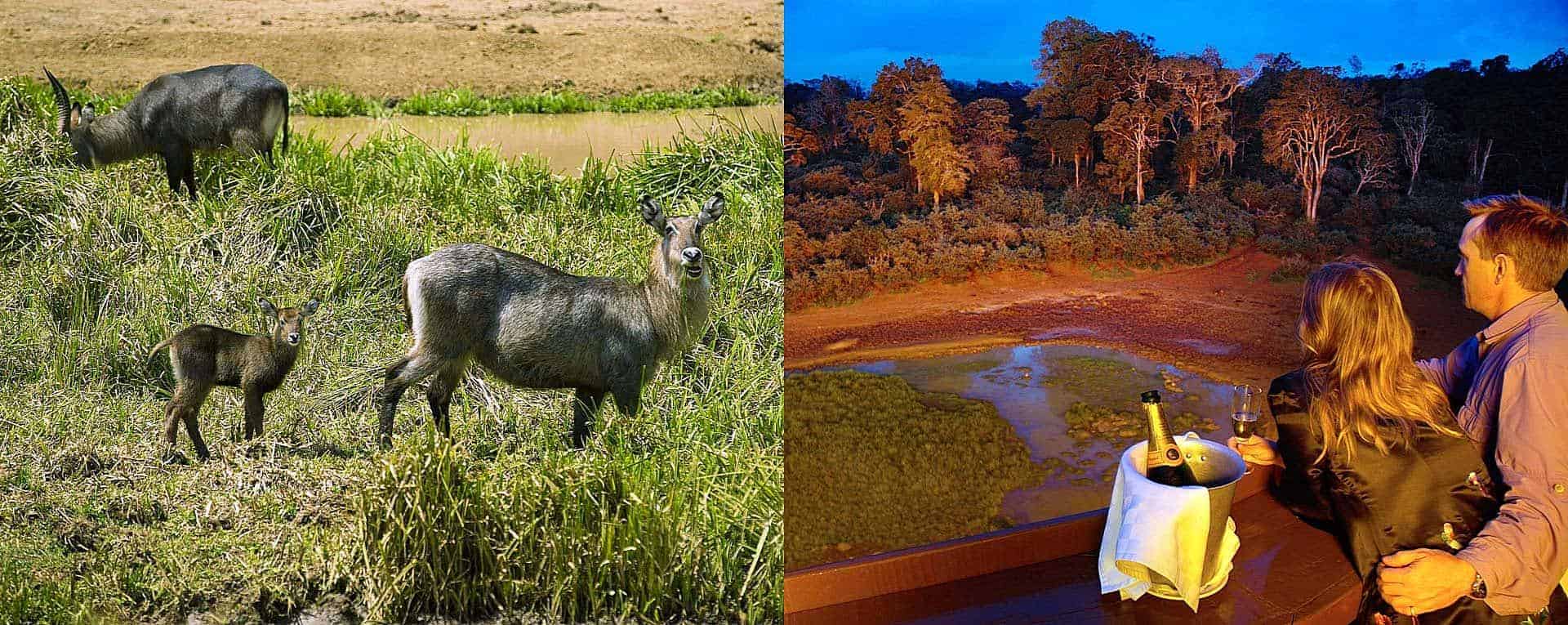
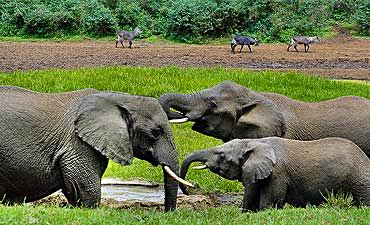
Common large herbivores include zebras on the Sirimon inclines, and buffalos and elephants are seen at times on the Naro Moru trails and in the dense bamboo forests above 2400 meters. Also at this elevations are duikers, elands and other antelopes, as well as smaller denizens, such as rock hyraxes. These fauna are joined by more common species, including defassa waterbucks, bushbucks and many more.
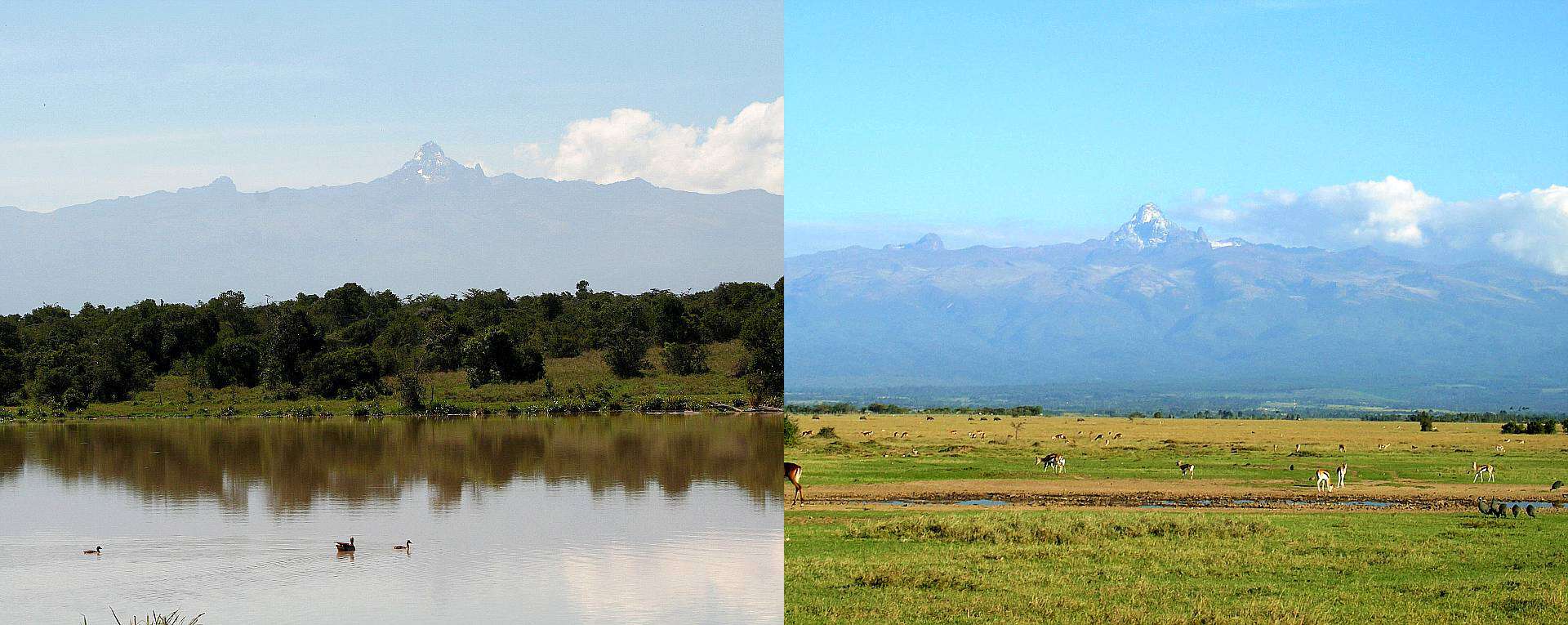
Mount Kenya is infamous for unpredictable and sometimes savage weather. Conditions vary with elevation with areas above 4,000 meters being freezing cold with mist and wind. Temperatures range from 59 F (15 C) degrees during sunny days and 32 F (0 C) degrees on cloudy cool days. Nighttime temperatures drop to 14 F (-10 C) degrees.
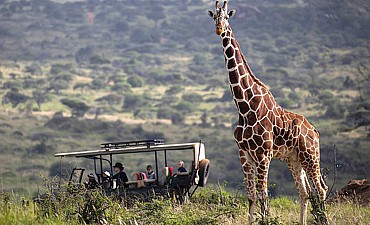
Game drives are not offered in the park due to the delicate mountain ecology, challenging terrain and also the lower base being primarily dense forests rather than open plains. Instead, you are completely immersed in the wilderness on a more intimate level with guided nature walks. AfricanMecca Safaris can also arrange a full day hike or multi-day climbs to Lenana peak for guests who have the apt fitness and trekking experience.
Select Our Highly Recommended & Unique Designed Kenya Safaris That You Want To Tour Visit & Experience
KENYA SAFARI PRICES
Read More +
WHERE TO STAY IN MOUNT KENYA
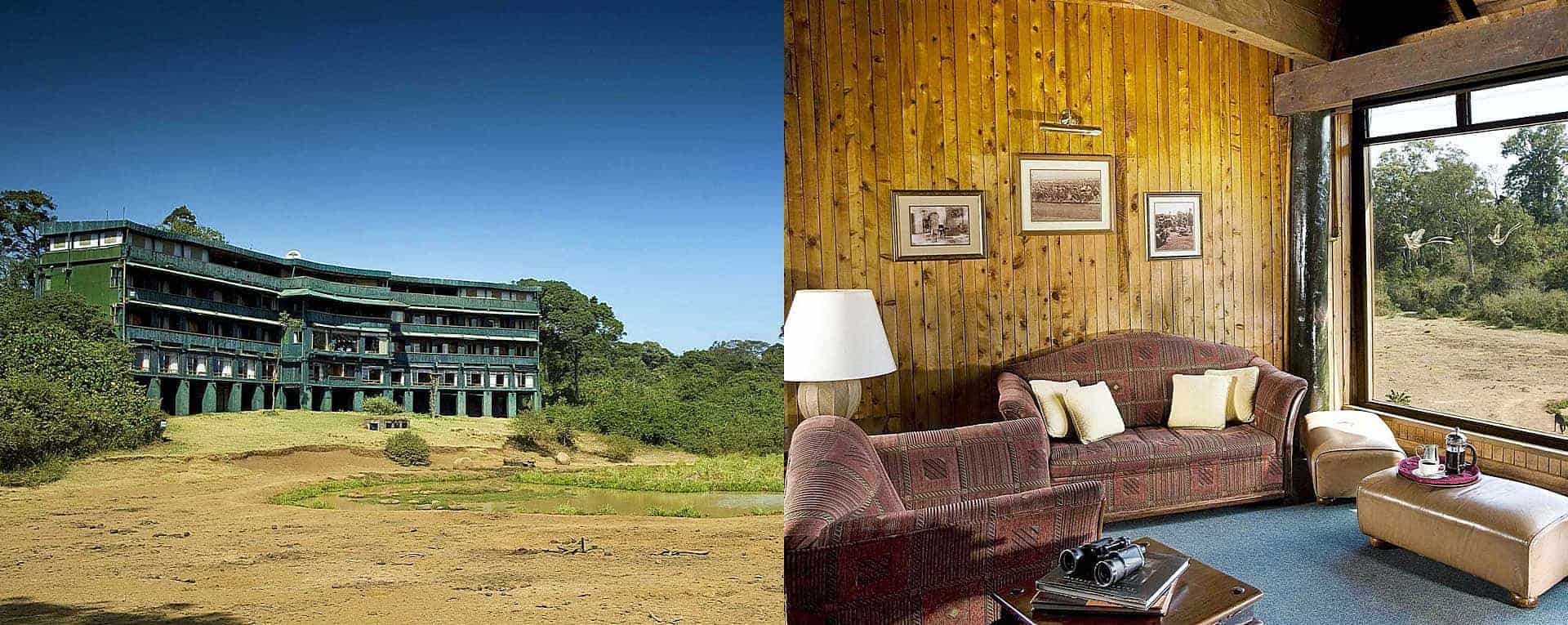
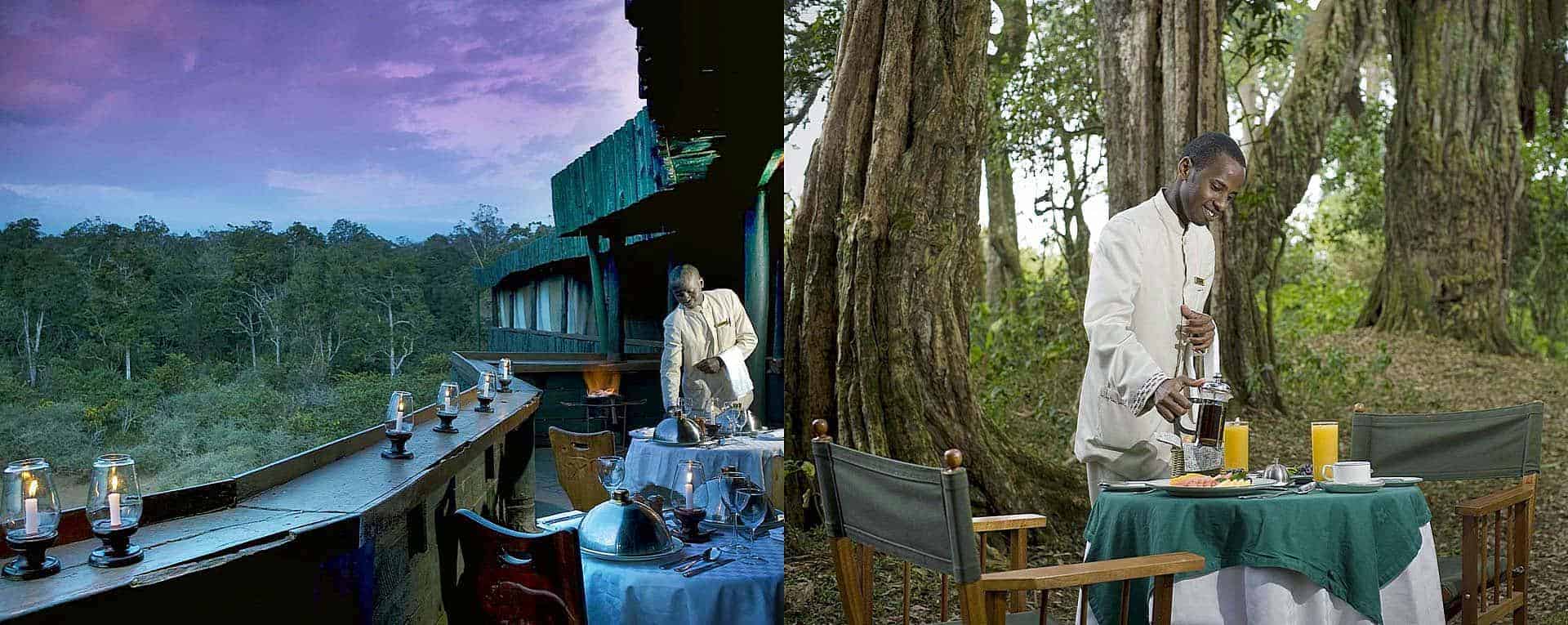
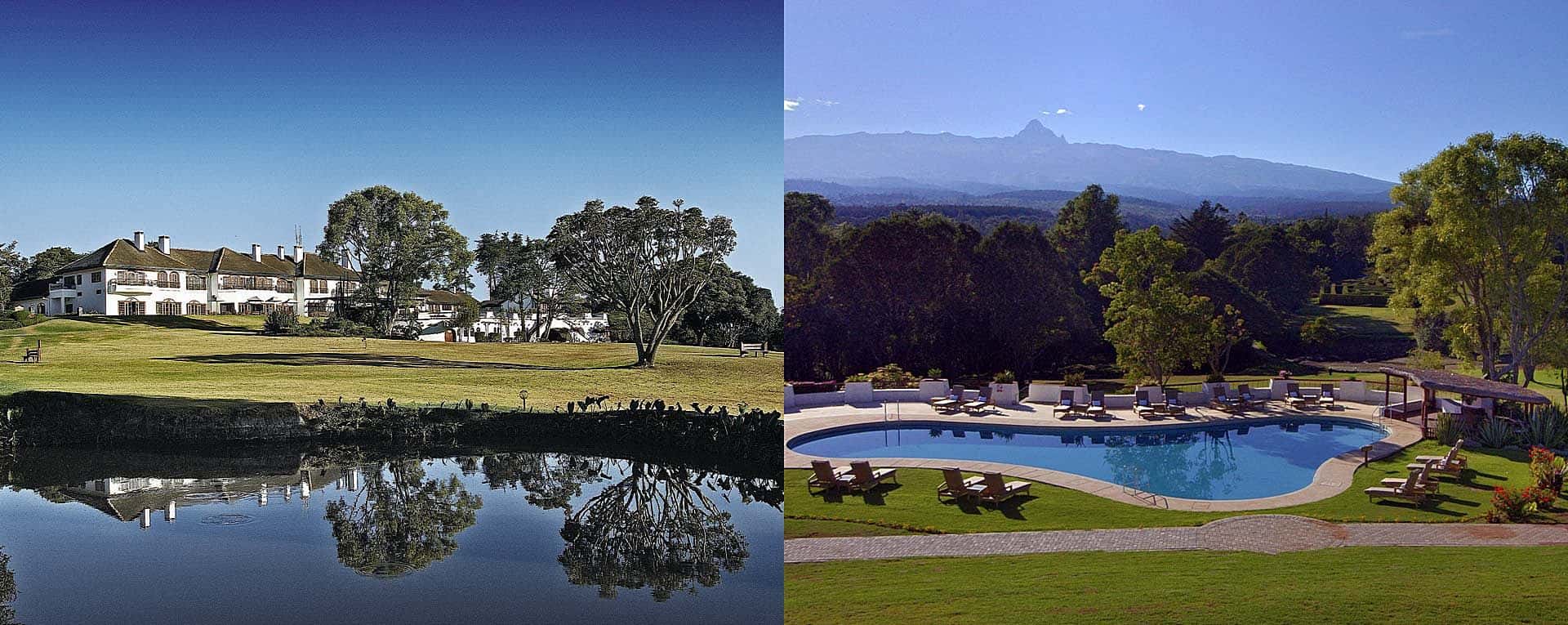
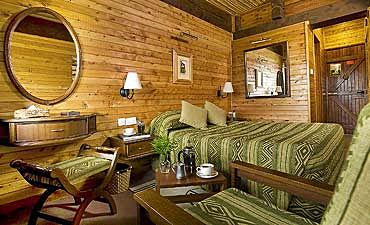
Fairmont Mount Kenya Safari Club is located outside the park borders near Nanyuki while Serena Mountain Lodge is sought by guests who want to stay inside the park amidst the forest wilderness.
Read More +
SAFARI & TOUR IN MOUNT KENYA
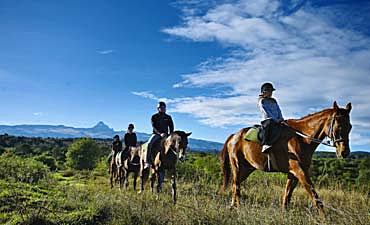
The extraordinary beauty of Mount Kenya inspires you to venture into the wilderness. While safari game drives are not allowed due to its fragile ecology, you do enjoy nature walks in the foothills.
Read More +
BEST TIME TO VISIT MOUNT KENYA
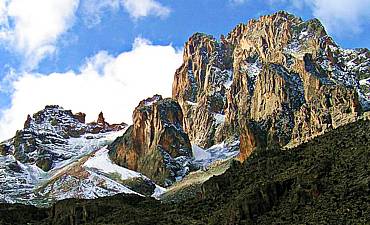
The weather at Mount Kenya National Park consistently offers guests a unique African highlands safari experience at any time of year. This park experiences two dry seasons and two rainy seasons.
Read More +
MOUNT KENYA CLIMBS & TREKS
AfricanMecca offer guided treks to Lenana Peak. Your Mount Kenya dream climb is entirely your own to design. We will work with you to customize exactly the triumphant quest experience you want.
AFRICANMECCA REVIEWS
What are our Customers saying about us? READ MORE REVIEWS
Dear Raza, You turned our dream into a reality. Our honeymoon and wedding in Kenya was so much more than we hoped for. We've never in our wildest dreams thought a vacation could be so perfect...
Mrs Annemarie Bain, Post Production Producer, Maury Show NBC Studios - New York, United States
To sum it up, it was awesome! The accommodations were beautiful, the food was great, and the people of Kenya were warm and friendly. I would give an A+ to the overall rating of this safari trip. Thank you....
Sharon Kolodziejski & Family - Michigan, United States
We are writing to you on our return to say what a marvellous job AfricanMecca did for us on our holiday in Kenya. All the arrangements you made went like clockwork. We are already recommending you to friends.
Liz and Nigel Barnes - West Sussex, United Kingdom
Our Best Of Kenya Tier I safari was really wonderful. Everything was perfect. Excellent top notch service from AfricanMecca! Thanks very much for making our trip really memorable.
Lorna Mata - Ottawa, Canada
Dear AfricanMecca, I could not think of any other better way to tell you about our superb safari that you organized in Kenya than to send you my 11 year old's safari Journal..Thank you
Zahira Hassanali & Family - Long Island - New York, United States
Hi Raza, I wanted to let you know trip was very well arranged; AfricanMecca's dealings were professional, informative and particular. Governors Il Moran and Mount Kenya Safari Club were great! Thank you.
Gurdeep Singh Bedi - New Delhi, India
Dear Raza, Just a note to let you know that my daughter and I had a wonderful time in Kenya. I fell in love with your beautiful country. You certainly lived up to your commitment of superb service.
Patricia Young - Universal Music Group - California, United States
EAST AFRICA SAFARI BOOKING TRIP IDEA FOR MOUNT KENYA IN CENTRAL KENYA
When visiting Mount Kenya National Park, we recommend combining your safari to Masai Mara for the wildebeest migration, Amboseli, Samburu or Laikipia - Lewa, Nakuru, Elementaita, and Naivasha - Great Rift Valley Lakes.
You may optionally extend out to other wilderness areas of Meru, Chyulu Hills or Tsavo East - Tsavo West for an offbeat wildlife tour.
You can end your vacation at the Indian Ocean for a beach vacation and Swahili cultural tour on the exotic spice island of Zanzibar, Lamu, or Mombasa.
Best Safari Planning Ideas & Trip Experiences For Kenya
Below are guide references on how to plan each of the below safari experience in Kenya. Alternatively, go to the summary section for a quick overview of each trip planning experience.1. How To Plan Kenya Safari Trips? (Summary)
2. Wildlife Safari Trip Planning Guide For Kenya
3. Private & Tailor-Made Safaris Trip Planning Guide For Kenya
4. Honeymoon Safaris Trip Planning Guide For Kenya
5. Family Safaris Trip Planning Guide For Kenya
6. Luxury Safaris Trip Planning Guide For Kenya
7. Photo Safaris Trip Planning Guide For Kenya
8. Cultural Safaris Trip Planning Guide For Kenya
9. Primate Safaris Trip Planning Guide For Kenya
10. Hike, Trek & Bush Walk Safaris Trip Planning Guide For Kenya
11. Birding Safaris Trip Planning Guide For Kenya
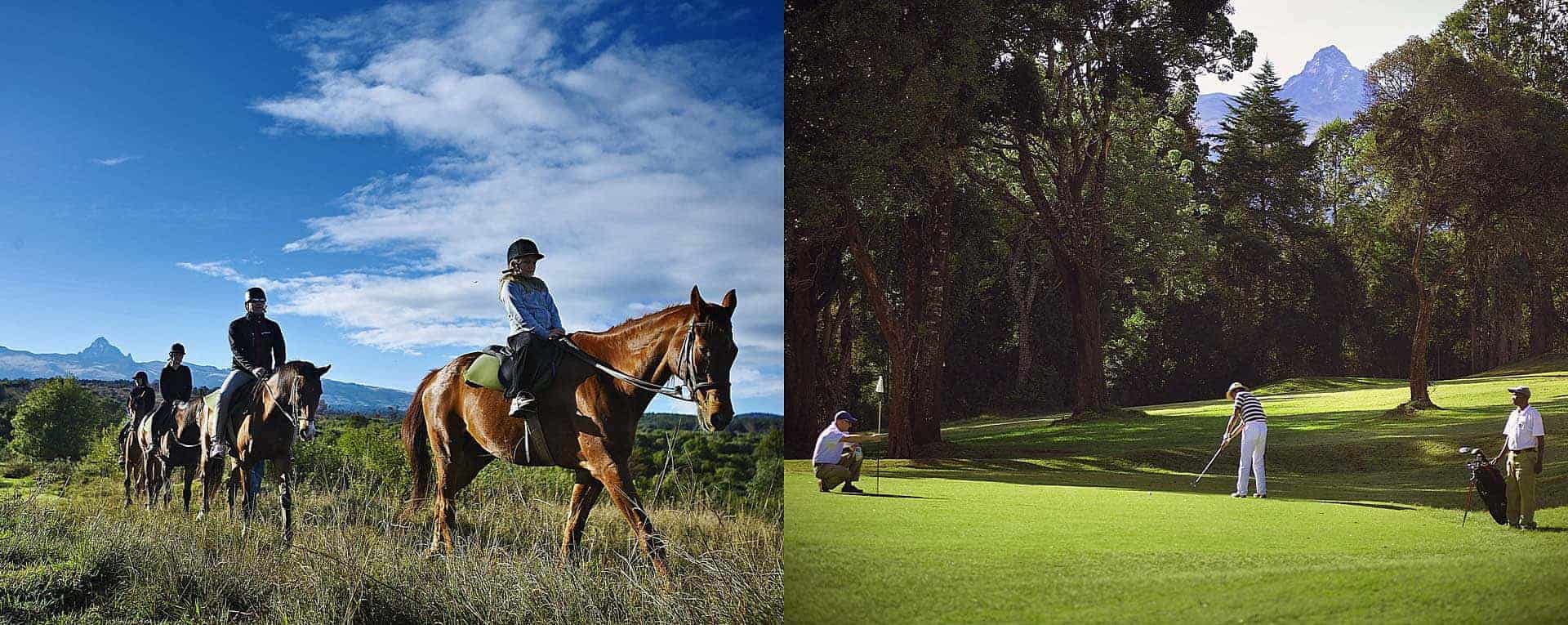
12. Horseback Riding Safaris Trip Planning Guide For Kenya
13. Balloon Safaris Trip Planning Guide For Kenya
14. Wedding Safaris Trip Planning Guide For Kenya
15. Bush & Beach Safaris Trip Planning Guide For Kenya
READ MOREMOUNT KENYA PARK SAFARI & TOUR PLANNING DETAILS
Kickstart Your Safari Planning


ARE YOU PLANNING TO BOOK AN AFRICAN SAFARI TO MOUNT KENYA IN KENYA?
Do You Need Knowledgeable, Experienced & Specialist Guidance For Your Travels In Mount Kenya ? Let Us Help Plan Your Trip Itinerary Correctly
CONTACT AN AFRICA TRAVEL EXPERT ON MOUNT KENYA NATIONAL PARK
EXPLORE MORE ON MOUNT KENYA NATIONAL PARK IN KENYA


HAVE YOU VISITED MOUNT KENYA FOR AN AFRICA SAFARI IN KENYA?
Write A Travel Or Tourist Trip Review To Share Your Experiences
WRITE MOUNT KENYA REVIEW












AMS BLOG
VIEW ALL - 24 December 2024 by AfricanMecca Safaris, in Blog For AfricanMecca Safaris,Safari Planning Blog Posts - AfricanMecca Safaris
What AfricanMecca Accomplished In 2024
What AfricanMecca Accomplished In 2024 Published By AfricanMecca Safaris | Blog ...READ MORE +- 26 October 2017 by AfricanMecca Safaris, in Blog For AfricanMecca Safaris,Safari Planning Blog Posts - AfricanMecca Safaris
Baggage Guidance, Flight Shuttle Service & Restrictions On Flying Safaris In Africa
Baggage Guidance, Flight Shuttle Service & Restrictions On Flying Safaris In...READ MORE + - 07 June 2017 by AfricanMecca Safaris, in Blog For AfricanMecca Safaris,Latest Kenya Blog Posts From AfricanMecca Safaris,Safari Planning Blog Posts - AfricanMecca Safaris
Masai Mara Horseback Riding Safari In Kenya With AfricanMecca
Masai Mara Horseback Riding Safari In Kenya Published By AfricanMecca Safaris | ...READ MORE +