
KENYA NATIONAL PARKS & GAME RESERVES GUIDE
Learn More On AfricanMecca Safari Tier Ratings & Experiences
READ MORE ON TRAVEL GUIDE FOR KENYAExplore National Parks And Game Reserves In Kenya
Kenya has diversified and distinguished wildlife parks and reserves in five primary regions as noted below. Select your preferred area to view individual details of your safari wilderness.Overview On Parks & Reserves In Kenya
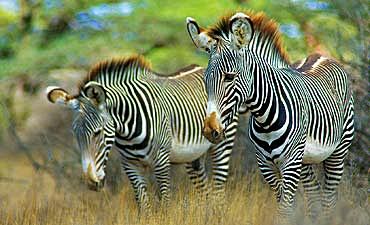 The diversity of Kenya’s people, wildlife and habitats is superbly represented in the country’s many protected areas. While the national parks and reserves aim to protect flora, fauna and ecosystems, the private conservancies give our guests distinctive wholesome experiences that Kenya offers culturally, historically and ecologically.
Some regions of Kenya are UNESCO World Heritage Sites, Important Bird Areas and other globally-significant regions. No matter how you envision your dream African safari vacation, Kenya tops your expectations in every possible way.
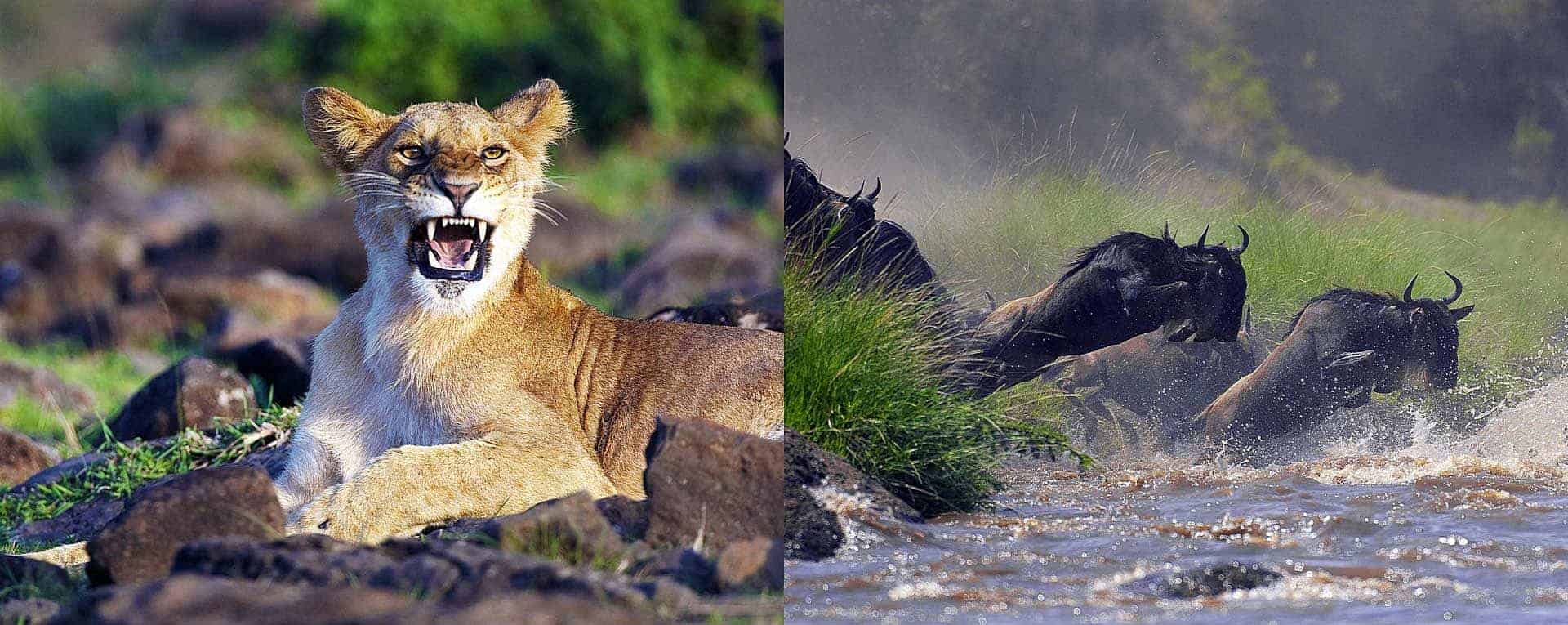
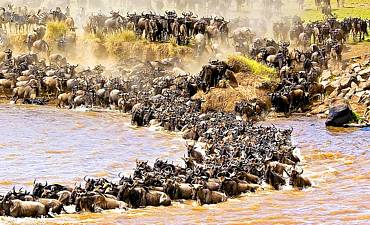
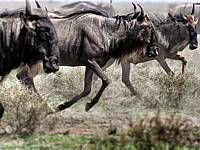
For our guests who desire the heart-pounding, non-stop action of wildlife demonstrating an utter will to survive, we recommend Masai Mara National Reserve during the Great Migration. Immense herds of wildebeests and zebras thunder across the savannah plains driven by instinct. The excitement builds further during the crossing of the mighty Mara River when the animals face treacherous water currents, crocodiles and even lions awaiting at the banks to ambush them.
For those seeking active-adventure activities of East African exploration, the northern Kenya wilderness of Laikipia offers varied ecosystems that you explore during game drives, walks, camel rides, horseback safaris, village visits, bi-plane flying, and even canoeing in certain areas.
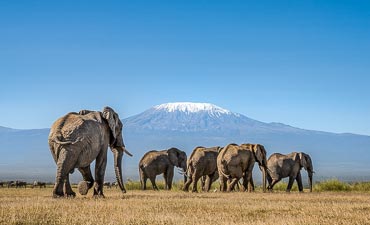
The social behaviors of elephants capture the hearts of people around the world, and you can witness the heart-touching interactions of these creatures at the foothills of Kilimanjaro at Amboseli and also in Tsavo and Shimba Hills in the southern expanses of Kenya. Should the flitting feathered inhabitants of Africa top your list of priorities, the Great Rift Valley soda and freshwater lakes of central Kenya is the place for you.
Your ornithologist guide assists you in locating and identifying the hundreds of avi-fauna, all with the highlands of the valley in the surrounds. These are just some of the ways to enjoy Kenya’s many national parks, reserves and conservancies. AfricanMecca Safaris will plan your activities within the varied outback based on your travel schedule around your customized itinerary with your preferred wildernesses, accommodations and activities you wish to experience.
In northern Kenya, we also recommend Samburu, Shaba, Buffalo Springs or the Northern Frontier areas of Namunyak, Lake Turkana, Sibiloi, Chalbi Desert, Kobi Fora and more. Amboseli, Chyulu Hills are in the southern region while Tsavo East and Tsavo West is in the southeastern region. Masai Mara is surrounded by private conservancies in the southwestern region.
The Great Rift Valley lakes include Naivasha, Nakuru, Baringo, Bogoria and Elementaita. Meru National Park in the eastern region is the “Born Free” home of Joy and George Adamson while Kakamega Forest and Lake Victoria are on the opposite polar region in western Kenya. At the foothills of the Equator, Mount Kenya is sited in the heart of central Kenya.
Select Our Highly Recommended & Unique Designed Kenya Safaris That You Want To Tour Visit & Experience
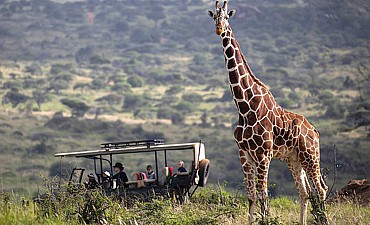
KENYA SAFARI PRICES
Read More +
MASAI MARA NATIONAL RESERVE
Offering superb plains scenery, unmatched safari activities and diverse wildlife, Masai Mara Reserve is considered Kenya's best park and one of Africa's highest wildlife density region for predators.
Read More +
AMBOSELI NATIONAL PARK
Amboseli is a majestic landscape where predator and prey interactions unfolds every day across the 392 square kilometers of protected wilderness. The park borders Tanzania at the foothills of Kilimanjaro.
Read More +
CHYULU HILLS NATIONAL PARK
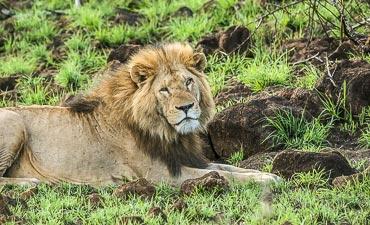
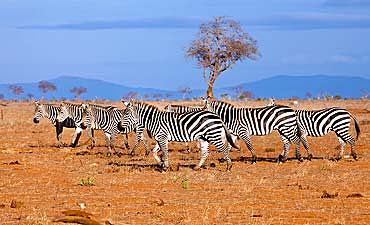
Chyulu is a striking unspoiled landscape of emerald green hills, open vistas, dense forests and pools of water with reflections of white clouds in azure blue skies, all surrounded by resident fauna.
Read More +
TSAVO EAST NATIONAL PARK
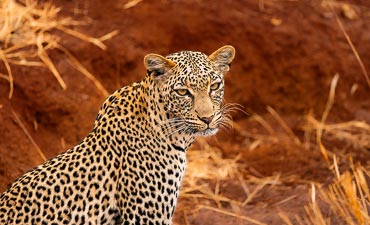
In Tsavo East, you will travel across immense savannah plains that are dotted with thorn bushes, stands of acacia trees, scrublands and woodlands, all teeming with herbivores and carnivores.
Read More +
TSAVO WEST NATIONAL PARK
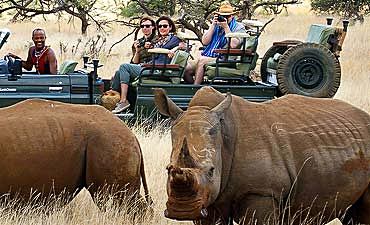
A one-of-a-kind Kenya expedition holiday awaits you at Tsavo West National Park! In no time at all, you are sitting front-and-center amidst some of Africa's most graceful, powerful creatures.
Read More +
LAIKIPIA PRIVATE CONSERVANCIES
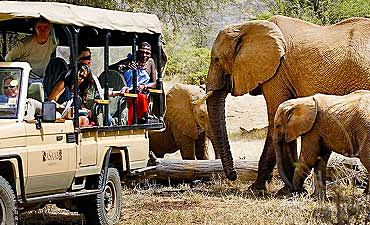
Located in northern Kenya, the private conservancies of Laikipia represent an outstanding model of wildlife conservation that provides our guests with a distinctive, multifaceted safari vacation.
Read More +
SAMBURU NATIONAL RESERVE
Explore the natural beauty at Samburu during your bush trip to Kenya. The reserve offers a high diversity of flora and fauna, both large and small, which you can discover in its striking landscape.
Read More +
NORTHERN FRONTIER
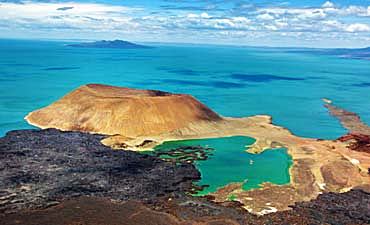
The Northern Frontier is a vast, pristine wilderness expanse in northern Kenya. The landscape, flora, fauna, archaeological sites and small villages contribute to an unsurpassed, authentic vacation in the wildest of Africa.
Read More +
MOUNT KENYA NATIONAL PARK
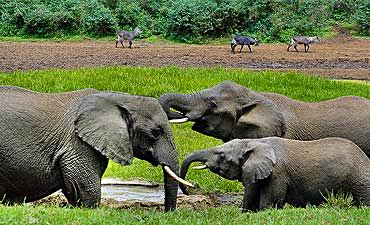
Celebrating Kenya's iconic landmark, Mount Kenya National Park offers a distinct highlands tour to the discerning AfricanMecca guest, from forest walks, peak climbs to lodge game viewing and more.
Read More +
NAIROBI NATIONAL PARK
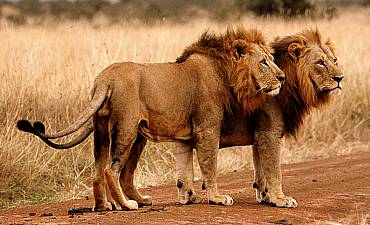
Covering miles of grasslands, forests, rocky valleys, forests and wetlands is Nairobi National Park, Kenya's oldest national park and the only one in the world that is situated amidst a capital city.
Read More +
LAKE NAKURU NATIONAL PARK
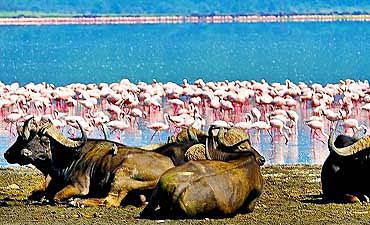
Lake Nakuru in central Kenya is part of the Great Rift Valley Lake System that is listed as a UNESCO World Heritage Site. The prominent wildlife in the park includes 56 mammals and 450 bird species.
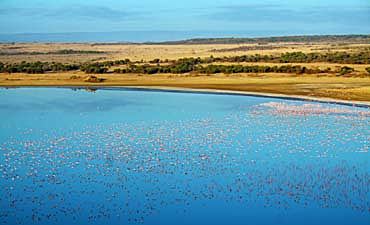
Read More +
LAKE ELEMENTAITA
Elementaita is located in between Nakuru and Naivasha. It is a much less visited wilderness than other natural attractions, so you enjoy a sense of privacy and solitude in a wondrous volcanic landscape.
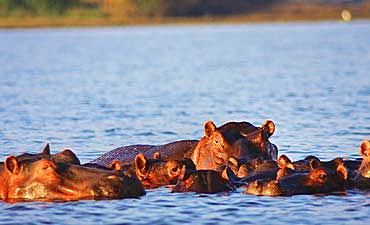
Read More +
LAKE NAIVASHA
Resting at an elevation of 1890 meters is the serene freshwater Lake Naivasha, a superb oasis to include on your safari holiday in Kenya. Varied terrestrial, aquatic and avian fauna reside here.
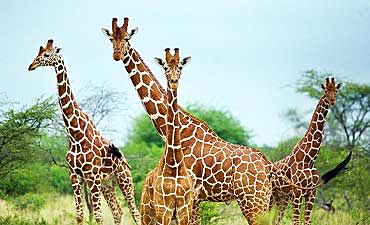
Read More +
MERU NATIONAL PARK
A historical dream vacation awaits you at Meru Park, home of Joy and George Adamson and their lions. Located east of Mount Kenya, the park covers 336 square miles of hills, grasslands and forests.
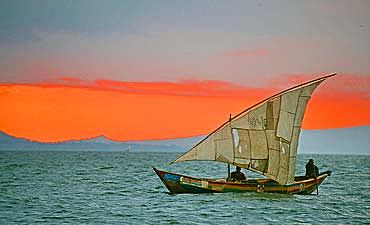
Read More +
LAKE VICTORIA
For a relaxing, pleasurable lake vacation in East Africa, we recommend a visit to Lake Victoria in Kenya, the largest of the Great African Lakes and the second largest freshwater lake in the world.
CONTACT AND TALK TO OUR SAFARI EXPERTS TODAY TO KICK-START YOUR TOUR PLANNING PROCESS
Request Kenya Custom Or Tailor-Made Safari Pricing Based On Your Specific Travel Dates At Your Preferred Safari Tier Camp Or Lodge
CONTACT AN EXPERT ON KENYA SAFARI PRICES & TOURS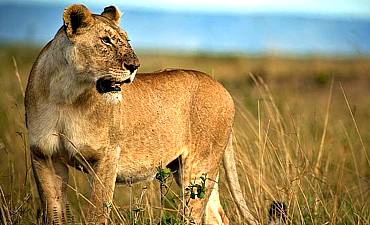
Read More +
SAFARI PRICES FOR KENYA
Review individual itineraries and prices of our suggested Kenya safaris with the option of customizing your Africa tour based on your needs and preferences.
Read More +
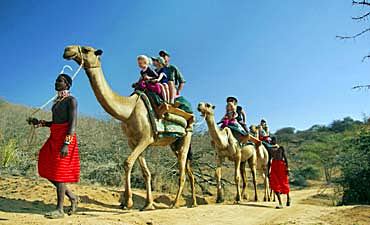
AFRICA TRIP IDEAS FOR KENYA
Review experiences available in Kenya from photo wildlife safari, horse and camel riding, walking, family to honeymoon beach vacation, dive, snorkel & fish etc.
Read More +
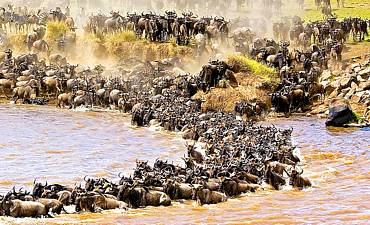
PARKS & RESERVES IN KENYA
Review information on wildlife parks and reserves in Kenya i.e. Masai Mara, Amboseli, Samburu, Laikipia, Lewa, Tsavo, Chyulu, Nakuru, Meru and more.
Read More +
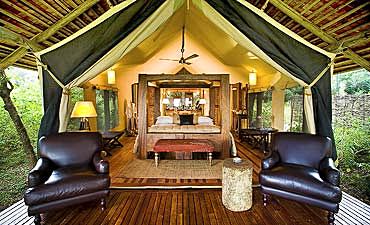
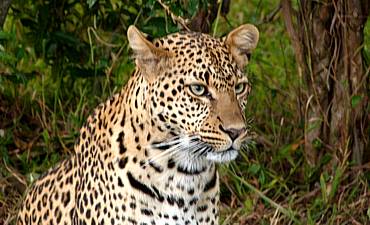
ACCOMMODATIONS IN KENYA
Review information on safari lodges, camps, city hotels, coastal resorts in Kenya's pristine wilderness, cities, Swahili beach shores and idyllic islands.
Read More +
BEST TIME TO VISIT KENYA
Review details on the best time to go to Kenya to visit its various wildlife outback, forests, rivers, islands, lakes, beaches, mountains and other wildernesses.
Read More +
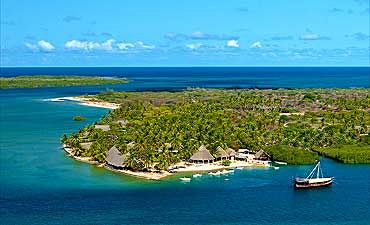
BEACHES & ISLANDS OF KENYA
Review Kenya's stunning Indian Ocean coast where the deep cobalt blue and turquoise waters gently wash up white sand beaches that create a tranquil setting.
Read More +
KENYA COUNTRY PROFILE
Review country information and travel tips on Kenya i.e. geography, culture, history, climate, tipping guide, what to pack and wear, entry requirements and more.
Read More +
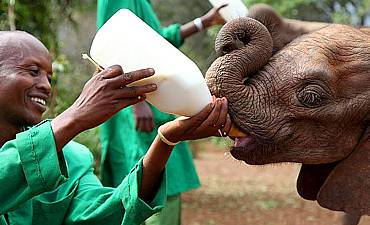
CITY DAY TOURS FOR KENYA
Review city tour suggestions on full or half day options in Nairobi, Mombasa, Watamu, Lamu. Experiences can be customized around your vacation travels.
Read More +
AFRICAN SAFARI PRICES
Check out safari prices and itineraries for parks and reserves in other African countries e.g. Tanzania, Uganda, Rwanda, Botswana, South Africa, Zambia etc. Namibia, Mozambique, Malawi and Zimbabwe are available on request.
AFRICANMECCA REVIEWS
What are our Customers saying about us? READ MORE REVIEWS
On behalf of myself, my wife and my two adult daughters, I want to sincerely thank you and AfricanMecca Safaris for our fabulous recent safari to Amboseli National Park and Masai Mara National Reserve in Kenya.
Robert Schenkein - prVision Photography Studio - Colorado, United States
Dear Raza, The accommodations you recommended were superb. We loved them all -- Giraffe Manor, Wilderness Trails, Governor's Il Moran, Ngorongoro Crater Lodge and Mnemba Island Lodge.
Pat Bernard, Vice President, Global Channel Sales, Novell Corp - New Hampshire United States
Jambo Altaf and Raza! We are back on earth now after our fabulous honeymoon. This is to say THANK YOU so much for organising a week in Kenya that we will never forget.....!
Dr Krina Zondervan, Oxford University - United Kingdom
Jambo Raza!!! The safari trip was spectacular! Everything went off without a hitch. We loved the Masai Mara. The migration was awesome. You listened to what I wanted and delivered it perfectly.
Judi & Chaim Platt - Toronto, Canada
I cannot say enough about the quality of AfricanMecca. Their teams in Kenya and Tanzania were top notch. Raza, again thanks to you and your entire organization! We will be repeat customers.
Dan Kobick - Managing Director, PricewaterhouseCoopers - New York, United States
Jambo Raza, The Lake Nakuru outing was great! We saw lots of pelicans, some flamingos, both black and white rhino... We've already recommended a Kenya safari to friends and relatives. Thanks again
Scott Aaronson - Associate Professor, M.I.T - Boston, United States
This is to let you know my guests, The Bryant's, had a wonderful time on the trip Samburu, Masai Mara/Kenya, Chobe/Botswana & Victoria Falls/Zambia. Everything was perfect! Thank you..
Christine Milan - MT Carmel Travel - Connecticut, United States
EAST AFRICA SAFARI BOOKING & TOUR HOLIDAY IDEA KENYA
When visiting Kenya, we recommend combining your safari to Masai Mara for the wildebeest migration, Amboseli, Samburu or Laikipia - Lewa, Nakuru, Elementaita, and Naivasha - Great Rift Valley Lakes. You can also climb the 2nd highest mountain in Africa: Mount Kenya.
You may optionally extend out to other wilderness areas of Meru, Chyulu Hills or Tsavo East - Tsavo West for an offbeat wildlife tour.
You can end your vacation at the Indian Ocean for a beach vacation and Swahili cultural tour on the exotic spice island of Zanzibar, Lamu, or Mombasa.
Best Safari Planning Ideas & Trip Experiences For Kenya
Below are guide references on how to plan each of the below safari experience in Kenya. Alternatively, go to the summary section for a quick overview of each trip planning experience.1. How To Plan Kenya Safari Trips? (Summary)
2. Wildlife Safari Trip Planning Guide For Kenya
3. Private & Tailor-Made Safaris Trip Planning Guide For Kenya
4. Honeymoon Safaris Trip Planning Guide For Kenya
5. Family Safaris Trip Planning Guide For Kenya
6. Luxury Safaris Trip Planning Guide For Kenya
7. Photo Safaris Trip Planning Guide For Kenya
8. Cultural Safaris Trip Planning Guide For Kenya
9. Primate Safaris Trip Planning Guide For Kenya
10. Hike, Trek & Bush Walk Safaris Trip Planning Guide For Kenya
11. Birding Safaris Trip Planning Guide For Kenya
12. Horseback Riding Safaris Trip Planning Guide For Kenya
13. Balloon Safaris Trip Planning Guide For Kenya
14. Wedding Safaris Trip Planning Guide For Kenya
15. Bush & Beach Safaris Trip Planning Guide For Kenya
READ MORETRAVEL PLANNING GUIDE FOR KENYA
Kickstart Your Safari Planning


ARE YOU PLANNING TO BOOK AN AFRICAN SAFARI TO KENYA?
Do You Need Knowledgeable, Experienced & Specialist Guidance For Your Travels In Kenya? Let Us Help Plan Your Trip Itinerary Correctly
CONTACT A KENYA VACATION EXPERTEXPLORE MORE ON NATIONAL PARKS, CAMPS, LODGES, BEACHES & RESORTS IN KENYA


HAVE YOU VISITED EASTERN AFRICA FOR A SAFARI IN KENYA?
Write A Travel Or Tourist Trip Review To Share Your Experiences
WRITE KENYA TRIP REVIEW









AMS BLOG
VIEW ALL - 24 December 2024 by AfricanMecca Safaris, in Blog For AfricanMecca Safaris,Safari Planning Blog Posts - AfricanMecca Safaris
What AfricanMecca Accomplished In 2024
What AfricanMecca Accomplished In 2024 Published By AfricanMecca Safaris | Blog ...READ MORE +- 26 October 2017 by AfricanMecca Safaris, in Blog For AfricanMecca Safaris,Safari Planning Blog Posts - AfricanMecca Safaris
Baggage Guidance, Flight Shuttle Service & Restrictions On Flying Safaris In Africa
Baggage Guidance, Flight Shuttle Service & Restrictions On Flying Safaris In...READ MORE + - 07 June 2017 by AfricanMecca Safaris, in Blog For AfricanMecca Safaris,Latest Kenya Blog Posts From AfricanMecca Safaris,Safari Planning Blog Posts - AfricanMecca Safaris
Masai Mara Horseback Riding Safari In Kenya With AfricanMecca
Masai Mara Horseback Riding Safari In Kenya Published By AfricanMecca Safaris | ...READ MORE +