
JOZANI FOREST TOUR EXPERIENCE IN ZANZIBAR WITH AFRICANMECCA
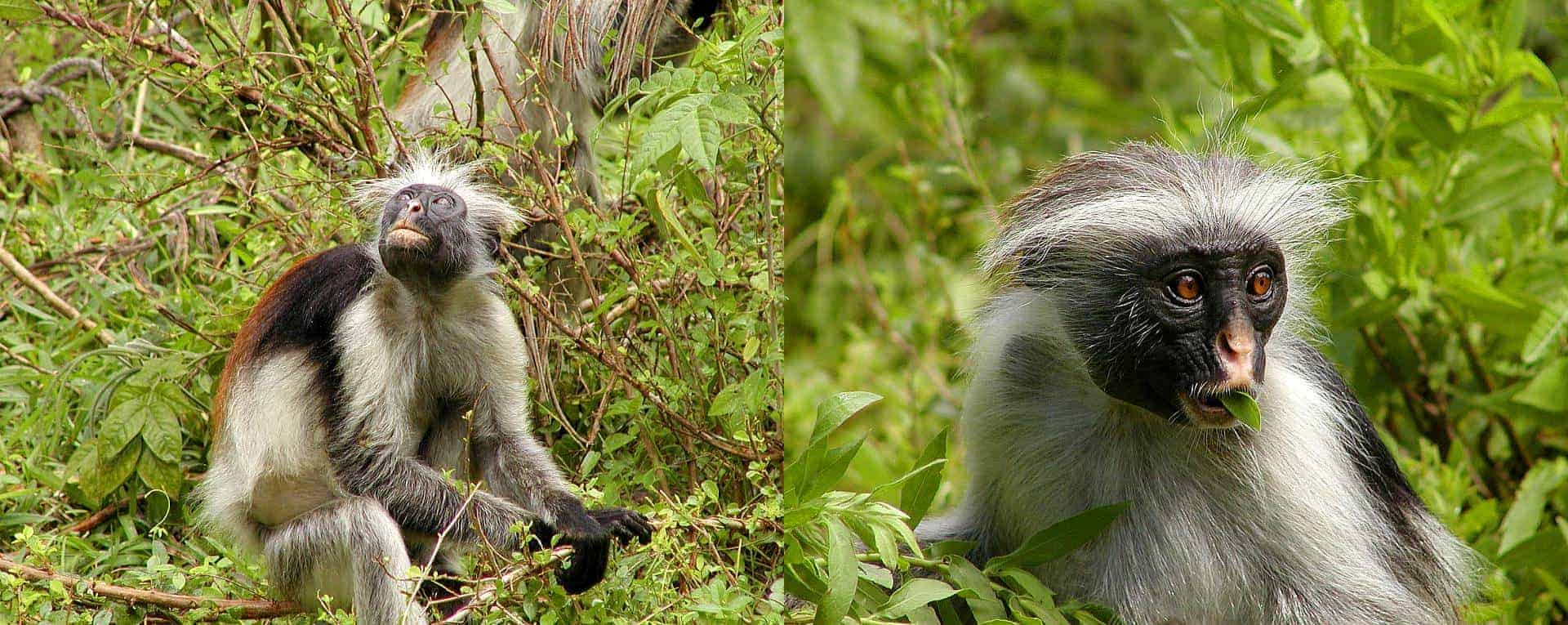
VIEW PRICES FOR YOUR ZANZIBAR CITY & DAY TOURS - BOOK IT TODAY!The Jozani Forest is a conservation area established in the 1960s in the core of Zanzibar Island. Covering an area of 50 square kilometers, this reserve also includes a section of the Jozani Chwaka National Park and was set up for the conservation of the kirk’s red colobus monkey, a beautiful and rare primate. Subsisting on leaves and living most of their lives in the trees and bushes, evolution has more or less eliminated their opposable thumbs so they now have only a stub left.
As you go primate viewing on your exploratory vacation in Zanzibar (reasons to visit), you will be delighted to watch these lively creatures in their natural habitat as they feed, groom one another and care for their young. They are used to seeing humans around and will forage close to you allowing you to take lots of pictures.
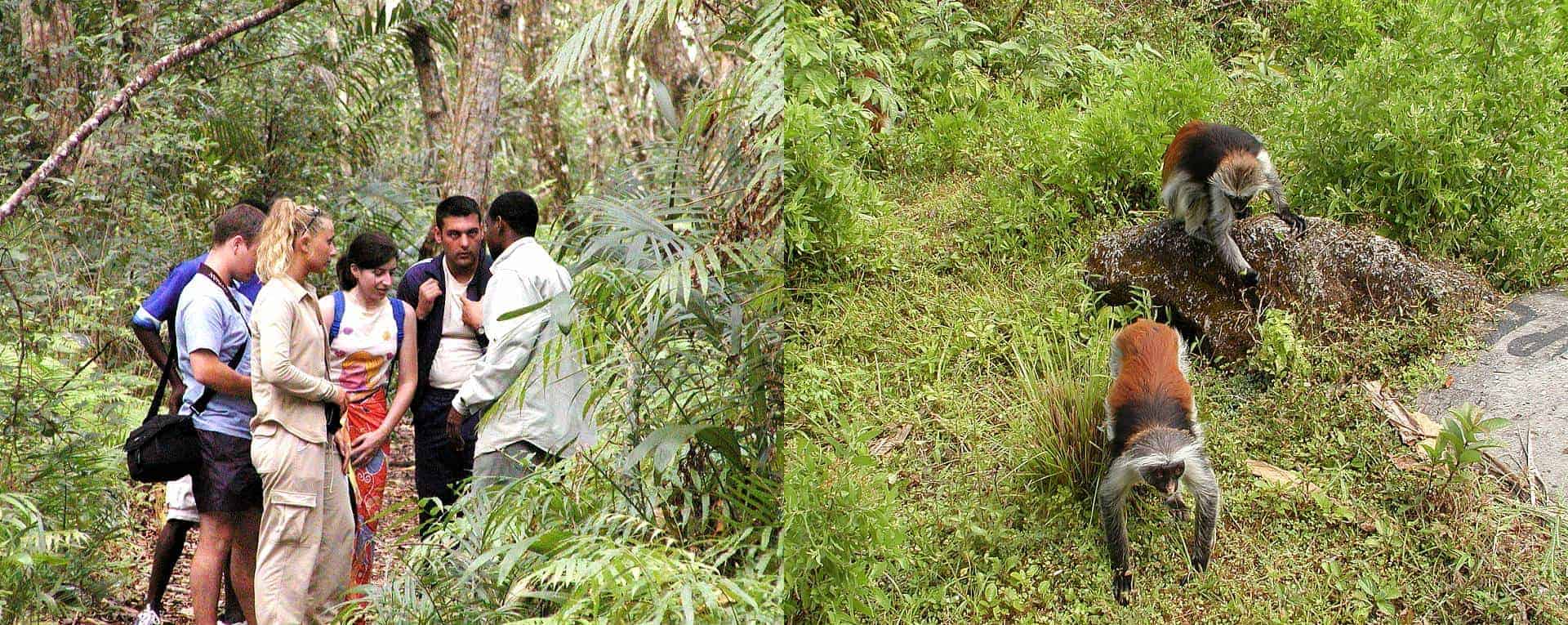
Learn more about their behavior from the AfricanMecca guide accompanying you and also about the dedicated efforts that were directed at saving this fast-disappearing species. Thanks to conservation drives, these monkeys now number close to 2500. The diversity of woodland landscape this lush forest covers is truly incredible. It includes a tidal water-washed area between the Uzi and Chwaka Island bays, teeming with mangrove trees and other marine vegetation.
The woodland itself is sited in an ancient coral bed that creates a shallow depression with coral rag forests and thick bushes covering the higher ground around it. There are also sand marshes that lie to the north of the forest. At the bay, you will be able to view distinct varieties of colorful fish in the water along with crabs and mollusks. There is also on-site turtle sanctuary initiated by the local community.
A highlight of your flora tour, your guide will take you to see the Mama Mtondoo, a stately mahogany tree that is believed to be more than 200 years old. Then, there are the fascinating twins, one strangler fig, and the other sycamore, growing together. You could also view a raffia fern tree that has the distinction of sporting the largest leaves in the world.
Together, this landscape supports a stunning variety of flora that in turn hosts more than 100 species of butterflies. You will be awestruck to see that few of these can be as big as a human hand. You can also view millipedes, lizards and amphibians like frogs. Look out for the brilliantly colored sunbirds as they flit among the elegant tropical flowers, sipping nectar from them. Follow the forest trails when on your adventure tour of Zanzibar and you can watch other creatures such as sykes monkey, shrew, galago, chameleon and many more. If you are lucky, you may even spot a traversing shy Ader's duiker or suni antelope.
Originally, the reserve was set up with the support of international organizations but now a major part of the revenue earned from park entrance fees is used for a wide range of preservation initiatives from replanting trees to educating communities about the importance of conservation. Do your bit in preserving this unique and fragile ecosystem by visit this rare primate world on your AfricanMecca trip in Tanzania.
Read More +
BEACH VACATIONING IN ZANZIBAR
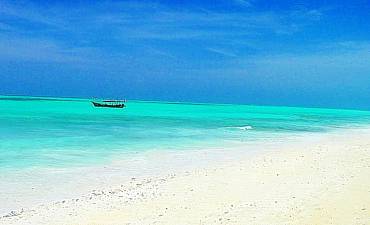
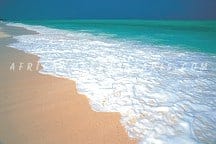
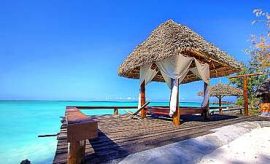
Zanzibar is a tranquil, beach paradise for an idyllic Indian Ocean vacation in Africa, amidst soft, white sands and the shimmering turquoise waters dotted with picturesque traditional fishing dhows.
Read More +
WHERE TO STAY IN ZANZIBAR
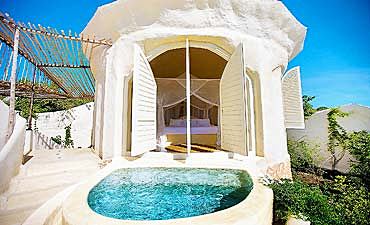
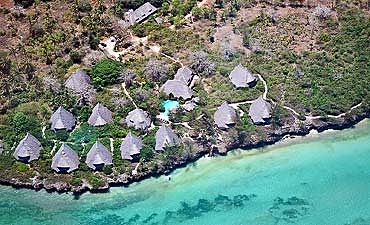
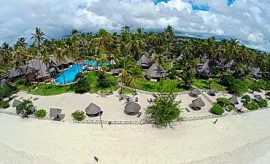
Zanzibar has varied beachfront and Stone Town hotels located in distinct areas of the island. Option include staying in the north, east, south and west seasides to distinct, private islands like Mnemba and Chumbe.
Read More +
GUIDE ON ZANZIBAR
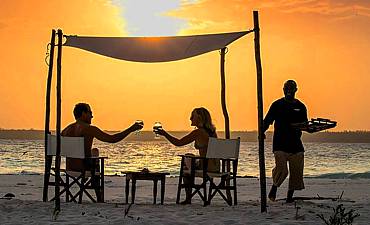
An exquisite Indian Ocean jewel, off the east coast of Tanzania, Zanzibar or the Spice Island is a laid-back little settlement where history whispers and pristine beaches sooth your mind, body and soul.
Read More +
BEST TIME TO VISIT ZANZIBAR
Thanks to its southern equator location, Zanzibar has a tropical climate allowing you to plan your seaside vacation in Eastern Africa at any time of the year without any extreme variability in temperatures.
AFRICANMECCA REVIEWS
What are our Customers saying about us? READ MORE REVIEWS
The Zanzibar Stone Town tour guide was superlative. He was outstanding and gave us undivided attention. We felt that was great value and to be escorted round the market place and slave stations was like walking in a living museum.
Viv & Kirsty Turner - KwaZulu-Natal, South Africa
I booked my safari holiday through AfricanMecca. They were the most helpful company I have ever dealt with and I work within the travel industry. I had the most amazing time. The holiday went as clockwork with no hitches anywhere.
Shelley Roberts - Hemel Hempstead, United Kingdom
AfricanMecca Safaris created a remarkable honeymoon tailored to our interests and desires. The quality of service and delivery of experience was unsurpassed. I highly recommend AfricanMecca Safaris to honeymooners, families, or any traveler.
Noorin & Jason Nelson - Maryland, United States
Greetings to you and our most fervent thanks for a wonderful trip of Kenya, Zanzibar, South Africa & Victoria Falls. Everything went very well. This was truly a perfect vacation. Thank you so much for all your arrangements.
Adrienne & Barrie Carter - Canada
We have returned from our African adventure and would like to thank you very much for your part in making this such a wonderful experience. We were lucky enough to time the Great Migration from the Serengeti, which was amazing.
Denise Paterson - Belmont, Australia
Ras Nungwi was a beautiful property, the pristine white beach not more than forty feet from our lovely room, the Indian Ocean sublime. Raza, it was the vacation of a lifetime, again, thanks so much.
Jamie Davis & Liudmila Kondakova - California, United States
Dear Raza, I want to thank you for being the very best travel partner to design and arrange our spectacular trip to Kenya, Tanzania and Zanzibar. I have already recommended you to several of my friends and colleagues.
Pat Bernard, Vice President, Global Channel Sales, Novell Corp - New Hampshire United States
EAST AFRICA SAFARI & BEACH BOOKING TRIP IDEA FOR ZANZIBAR IN EASTERN TANZANIA
When beach vacationing in Zanzibar, we recommend combining your safari to Serengeti for the wildebeest migration, Ngorongoro Crater, Lake Manyara, and Tarangire. You can also climb the highest mountain in Africa: Mount Kilimanjaro.
You may optionally extend out to other wilderness areas of Nyerere, Ruaha, Katavi, Rubondo (Lake Victoria), or Mahale - Gombe for chimpanzee safari.
You can end your vacation at the Indian Ocean for a beach vacation and Swahili cultural tour on the exotic spice islands of Pemba, Mafia or Fanjove.
Best Safari Planning Ideas & Trip Experiences For Tanzania
Below are guide references on how to plan each of the below safari experience in Tanzania. Alternatively, go to the summary section for a quick overview of each trip planning experience.1. How To Plan Tanzania Safari Trips? (Summary)
2. Wildlife Safari Trip Planning Guide For Tanzania
3. Private & Tailor-Made Safaris Trip Planning Guide For Tanzania
4. Honeymoon Safaris Trip Planning Guide For Tanzania
5. Family Safaris Trip Planning Guide For Tanzania
6. Luxury Safaris Trip Planning Guide For Tanzania
7. Photo Safaris Trip Planning Guide For Tanzania
8. Cultural Safaris Trip Planning Guide For Tanzania
9. Chimpanzees Safaris Trip Planning Guide For Tanzania
10. Hike, Trek & Bush Walk Safaris Trip Planning Guide For Tanzania
11. Birding Safaris Trip Planning Guide For Tanzania
12. Horseback Riding Safaris Trip Planning Guide For Tanzania
13. Balloon Safaris Trip Planning Guide For Tanzania
14. Wedding Safaris Trip Planning Guide For Tanzania
15. Bush & Beach Safaris Trip Planning Guide For Tanzania
READ MOREZANZIBAR BEACH & ISLAND TOUR PLANNING DETAILS
Kickstart Your Beach Planning


ARE YOU PLANNING TO BOOK AN AFRICAN TRIP TO ZANZIBAR IN TANZANIA?
Do You Need Knowledgeable, Experienced & Specialist Guidance For Your Travels In Zanzibar ? Let Us Help Plan Your Trip Itinerary Correctly
CONTACT AN AFRICA TRAVEL EXPERT ON ZANZIBAR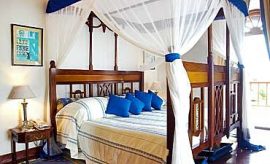
EXPLORE MORE ON ZANZIBAR IN TANZANIA


HAVE YOU VISITED ZANZIBAR ON AN AFRICA TRIP IN TANZANIA?
Write A Travel Or Tourist Trip Review To Share Your Experiences
WRITE ZANZIBAR REVIEW












AMS BLOG
VIEW ALL - 24 December 2024 by AfricanMecca Safaris, in Blog For AfricanMecca Safaris,Safari Planning Blog Posts - AfricanMecca Safaris
What AfricanMecca Accomplished In 2024
What AfricanMecca Accomplished In 2024 Published By AfricanMecca Safaris | Blog ...READ MORE +- 26 October 2017 by AfricanMecca Safaris, in Blog For AfricanMecca Safaris,Safari Planning Blog Posts - AfricanMecca Safaris
Baggage Guidance, Flight Shuttle Service & Restrictions On Flying Safaris In Africa
Baggage Guidance, Flight Shuttle Service & Restrictions On Flying Safaris In...READ MORE + - 07 June 2017 by AfricanMecca Safaris, in Blog For AfricanMecca Safaris,Latest Kenya Blog Posts From AfricanMecca Safaris,Safari Planning Blog Posts - AfricanMecca Safaris
Masai Mara Horseback Riding Safari In Kenya With AfricanMecca
Masai Mara Horseback Riding Safari In Kenya Published By AfricanMecca Safaris | ...READ MORE +