
GUIDE ON CHUMBE ISLAND IN WESTERN ZANZIBAR
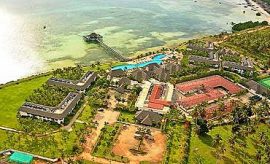
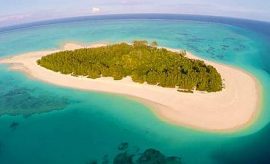
Chumbe Island, located in the Indian Ocean off the western coast of Zanzibar Island is a stunning marine island park that was the first to be gazetted by the Tanzanian government. Managed as a private entity, the entire island forms a part of the park along with the coral reef ecosystem around the island. An incredibly beautiful reserve, it has many facets to it, a gorgeous underwater world, sandbars that form incredible realms with the coming and going of the tides, the verdant forest kingdom with its diverse flora and smaller fauna and an interesting historical site of the Chumbe Lighthouse that vacationers on their exploratory trip on Chumbe Island will love to explore.
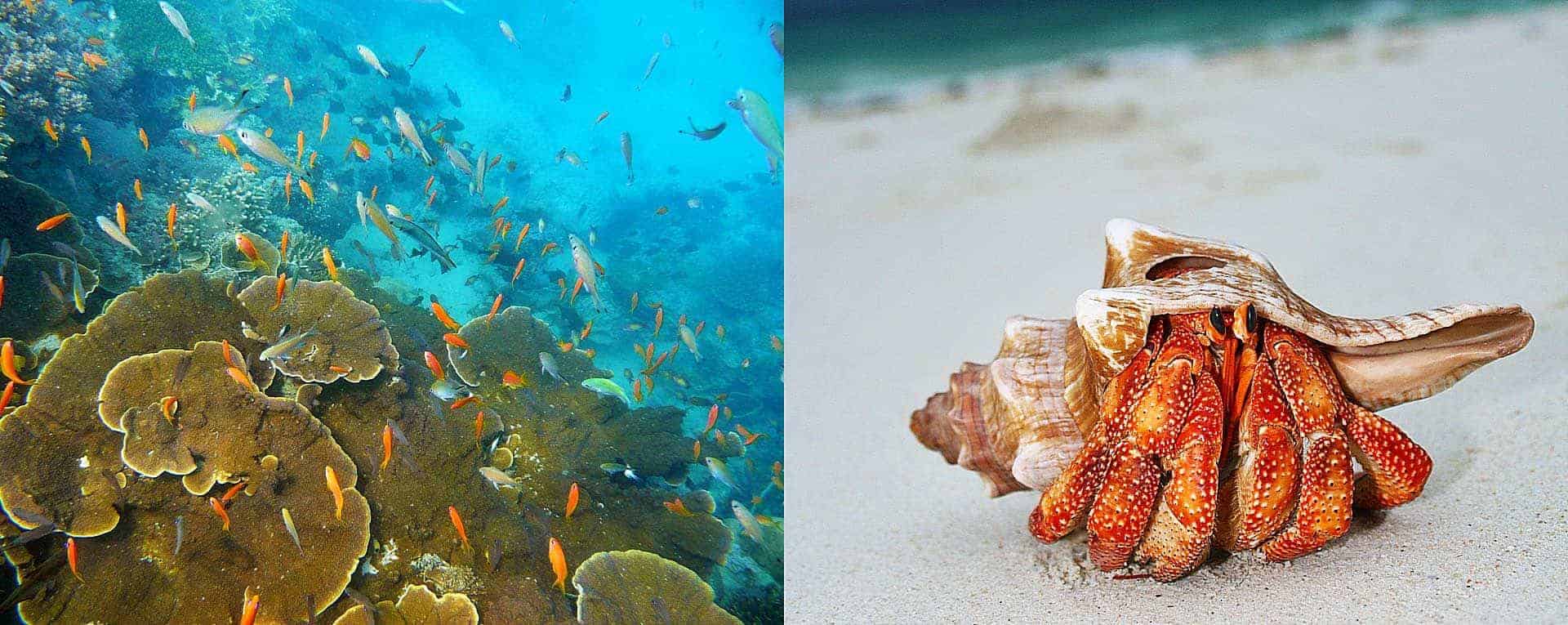
The coral reef world of Chumbe has been preserved in its original state with strict restrictions on fishing or laying heavy anchors that can damage the delicate coral. Shallow enough to capture the warmth of the sun that is so vital for the proliferation of the coral, the waters are around 1 to 3 meters deep depending on the movement of the tides.
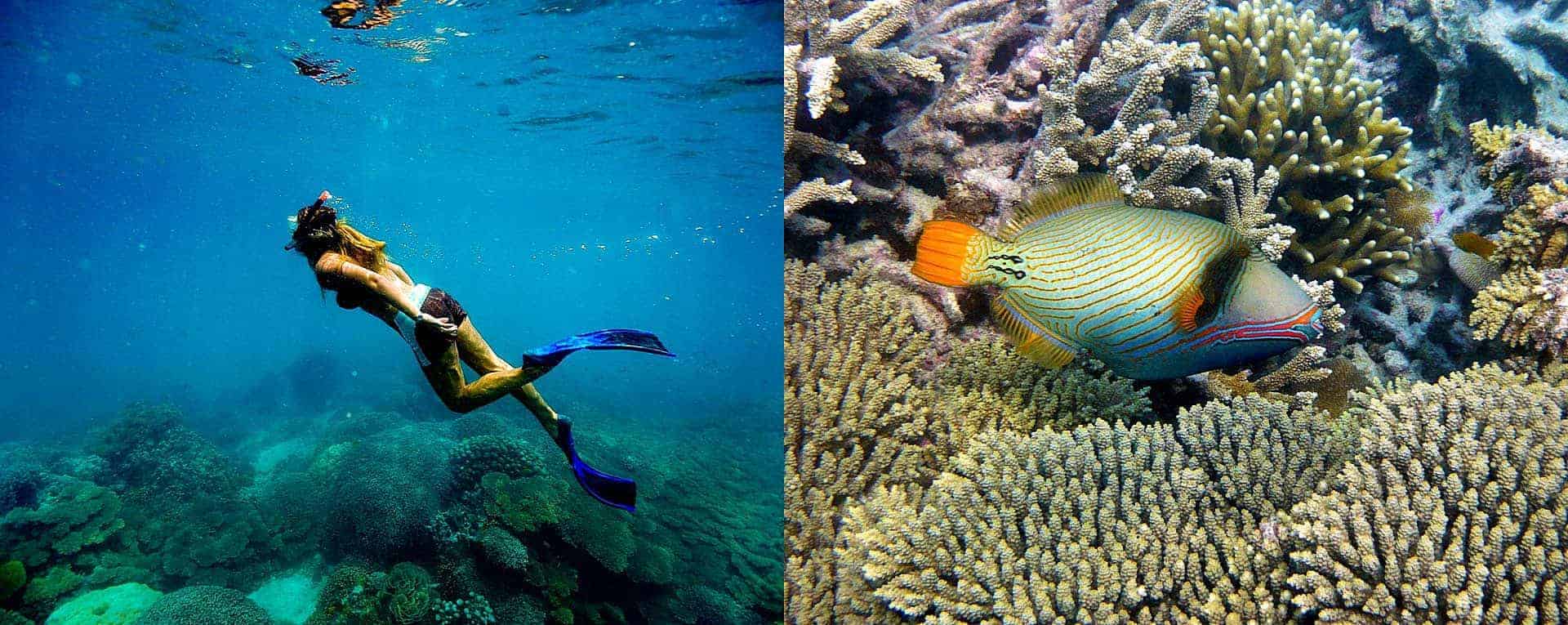
AfricanMecca guests ocean touring the Chumbe Reef Sanctuary can delight in the snorkeling excursions where they can discover many distinct assortments of coral and their equally diverse marine inhabitants. You will see barracudas hunting in the reefs while dolphins frolicking in the depths make for an enchanting view. Due to the fragility of the marine biome, scuba diving is not permitted at Chumbe.
On shore, the tide dances on and off the sandbars, leaving behind pools in the rock formations. During your dream holiday on Chumbe Island, you will enjoy viewing the delicate marine creatures that are stranded in the pools. Take lots of pictures of oysters, starfish, shellfish, crabs and many other invertebrates as they wait for the tide to come back in.
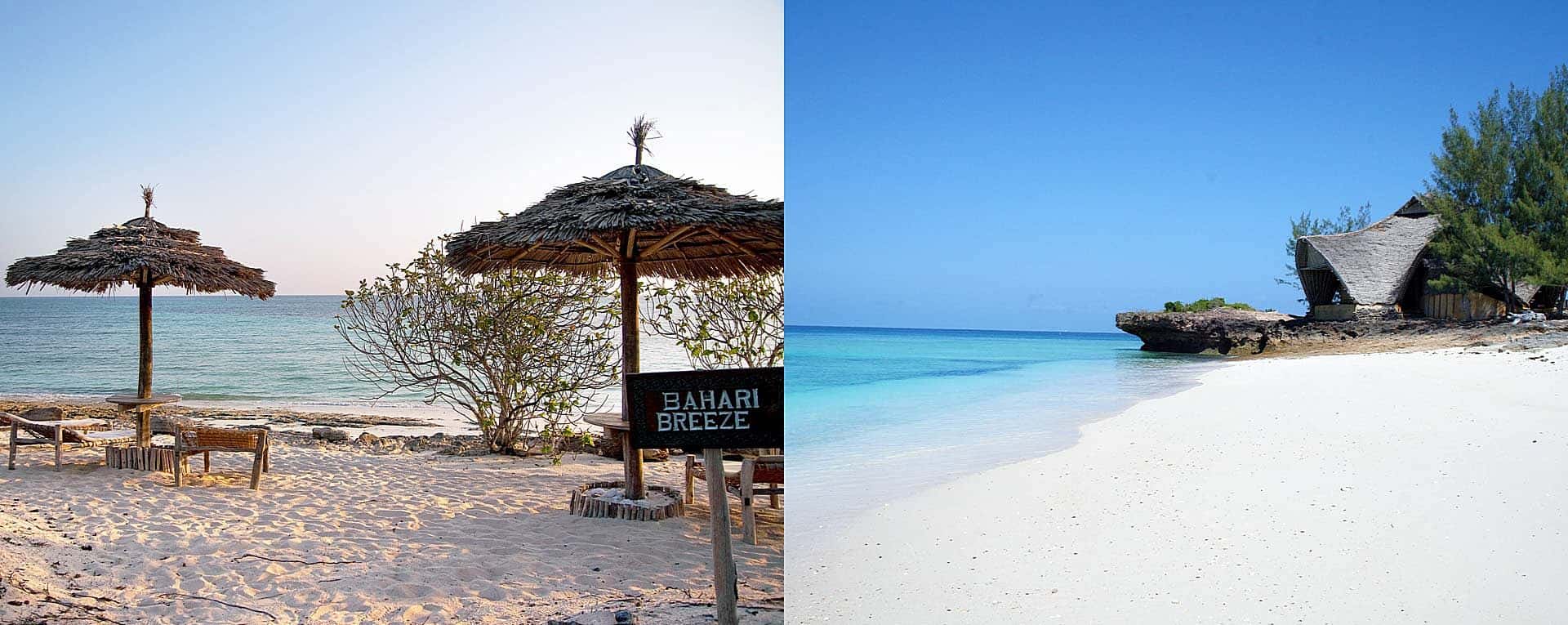
On the north of the island, a kilometer of sandbar beckons for exploring when the tide leaves it bare while the south of the island houses tiny islets that many roseate terns use to nest here. Fighting off the tern rivals, African fish eagles also lay their claim on the territory while the groves of baobabs and mangroves play host to a range of other assorted creatures.
Chumbe Island has developed on ancient coral fossils and when you wander through the inland forests, you will see many remnants of their past when they were still submerged in the ocean. You will find hardened coral skeletons and clams with their dissimilar shapes. Even more incredible is the fact that the coral rag forest that has evolved to cover the island survives without any groundwater at all.
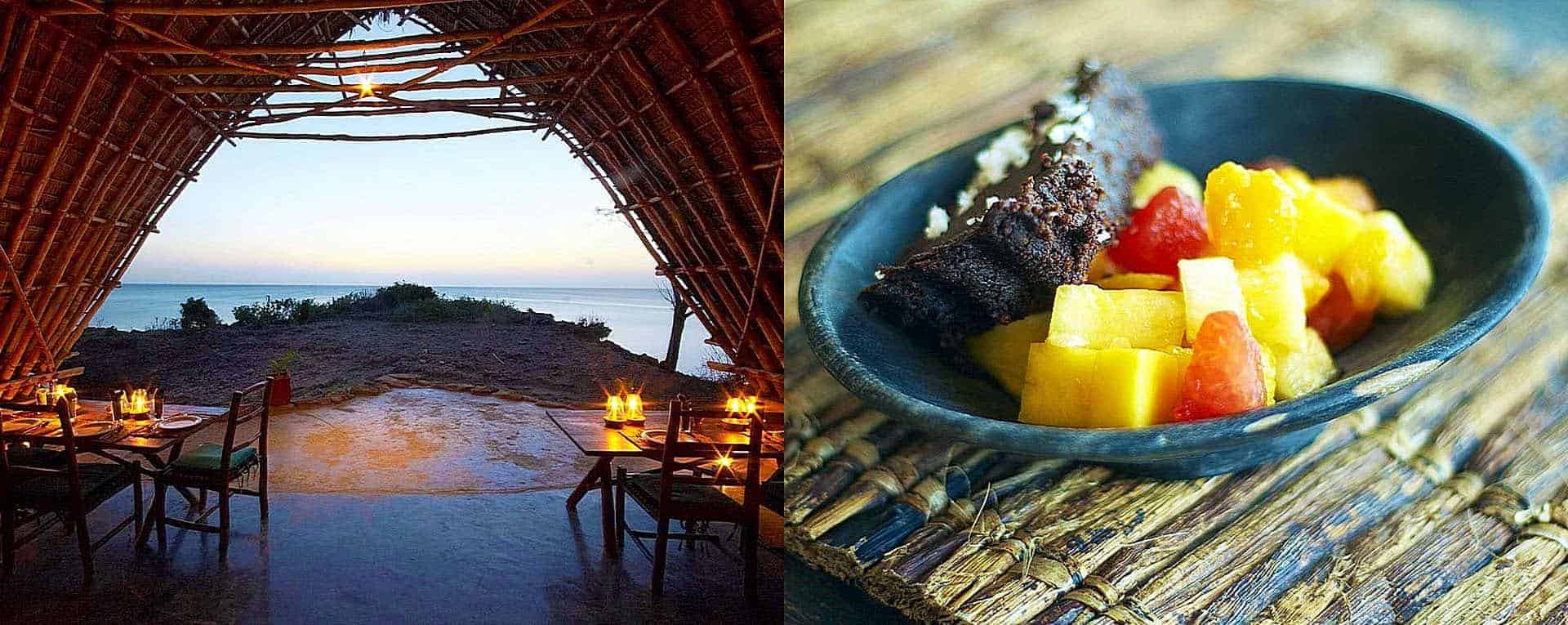
The expert lodge guide accompanying you explains that the forest captures and stores moisture from the humidity in the air and from the rain. And the trees form a thick umbrella overhead that minimizes evaporation. To view some of the most spectacular sunrises over the Indian Ocean, visit the Chumbe Lighthouse at dawn. After a climb of 131 steps, you will be rewarded by the sight of the sun emerging over Zanzibar Island bathing the ocean and land mass in a superb auburn color.
Even as you revel in its splendor, traditional dhows with their triangular sails set out over the waters for another day of fishing. A truly breathtaking beginning to another day of your unforgettable travels in Tanzania with AfricanMecca. Chumbe Island Lodge is the only accommodation on the isle.
Select Our Highly Recommended & Unique Designed Zanzibar Beach & Stone Town Vacation By Destination & Accommodation You Want To Visit & Experience

Read More +
BEACH VACATIONING IN ZANZIBAR
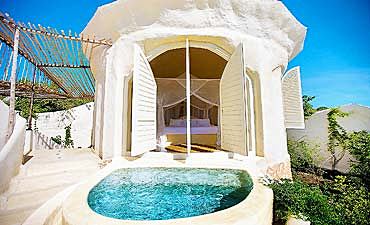
Zanzibar is a tranquil, beach paradise for an idyllic Indian Ocean vacation in Africa, amidst soft, white sands and the shimmering turquoise waters dotted with picturesque traditional fishing dhows.
Read More +
WHERE TO STAY IN ZANZIBAR
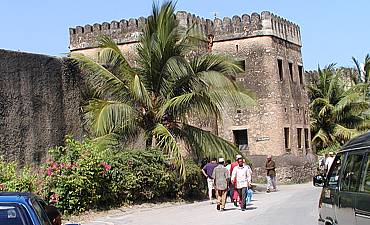
Zanzibar has varied beachfront and Stone Town hotels located in distinct areas of the island. Option include staying in the north, east, south and west seasides to distinct, private islands like Mnemba and Chumbe.
Read More +
ZANZIBAR TOURS & ATTRACTIONS
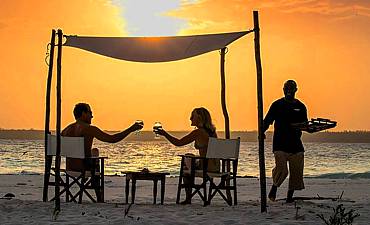
Zanzibar Island has something to offer every kind of traveler, from the history enthusiast to the underwater realm explorer, coastal wanderer, the spice cuisine aficionado or active-water buff and many more.
Read More +
BEST TIME TO VISIT ZANZIBAR
Thanks to its southern equator location, Zanzibar has a tropical climate allowing you to plan your seaside vacation in Eastern Africa at any time of the year without any extreme variability in temperatures.
AFRICANMECCA REVIEWS
What are our Customers saying about us? READ MORE REVIEWS
The Zanzibar Stone Town tour guide was superlative. He was outstanding and gave us undivided attention. We felt that was great value and to be escorted round the market place and slave stations was like walking in a living museum.
Viv & Kirsty Turner - KwaZulu-Natal, South Africa
I booked my safari holiday through AfricanMecca. They were the most helpful company I have ever dealt with and I work within the travel industry. I had the most amazing time. The holiday went as clockwork with no hitches anywhere.
Shelley Roberts - Hemel Hempstead, United Kingdom
AfricanMecca Safaris created a remarkable honeymoon tailored to our interests and desires. The quality of service and delivery of experience was unsurpassed. I highly recommend AfricanMecca Safaris to honeymooners, families, or any traveler.
Noorin & Jason Nelson - Maryland, United States
Greetings to you and our most fervent thanks for a wonderful trip of Kenya, Zanzibar, South Africa & Victoria Falls. Everything went very well. This was truly a perfect vacation. Thank you so much for all your arrangements.
Adrienne & Barrie Carter - Canada
We have returned from our African adventure and would like to thank you very much for your part in making this such a wonderful experience. We were lucky enough to time the Great Migration from the Serengeti, which was amazing.
Denise Paterson - Belmont, Australia
Ras Nungwi was a beautiful property, the pristine white beach not more than forty feet from our lovely room, the Indian Ocean sublime. Raza, it was the vacation of a lifetime, again, thanks so much.
Jamie Davis & Liudmila Kondakova - California, United States
Dear Raza, I want to thank you for being the very best travel partner to design and arrange our spectacular trip to Kenya, Tanzania and Zanzibar. I have already recommended you to several of my friends and colleagues.
Pat Bernard, Vice President, Global Channel Sales, Novell Corp - New Hampshire United States
EAST AFRICA SAFARI & BEACH BOOKING TRIP IDEA FOR ZANZIBAR IN EASTERN TANZANIA
When beach vacationing in Zanzibar, we recommend experiencing some of the surrounding Zanzibar Island attractions and tour activities after your Northern Tanzania safari to Tarangire, Lake Manyara, Ngorongoro Crater and Serengeti.
You may optionally extend out to offbeat parks in Southern and Western Tanzania such as Nyerere (Selous), Ruaha or Katavi ending with a chimpanzee trekking safari at Gombe or Mahale by the relaxing Lake Tanganyika.
ZANZIBAR BEACH & ISLAND TOUR PLANNING DETAILS
Kickstart Your Beach Planning


ARE YOU PLANNING TO BOOK AN AFRICAN TRIP TO ZANZIBAR IN TANZANIA?
Do You Need Knowledgeable, Experienced & Specialist Guidance For Your Travels In Zanzibar ? Let Us Help Plan Your Trip Itinerary Correctly
CONTACT AN AFRICA TRAVEL EXPERT ON ZANZIBAR
EXPLORE MORE ON ZANZIBAR IN TANZANIA


HAVE YOU VISITED ZANZIBAR ON AN AFRICA TRIP IN TANZANIA?
Write A Travel Or Tourist Trip Review To Share Your Experiences
WRITE ZANZIBAR REVIEW












AMS BLOG
VIEW ALL - 24 December 2024 by AfricanMecca Safaris, in Blog For AfricanMecca Safaris,Safari Planning Blog Posts - AfricanMecca Safaris
What AfricanMecca Accomplished In 2024
What AfricanMecca Accomplished In 2024 Published By AfricanMecca Safaris | Blog ...READ MORE +- 26 October 2017 by AfricanMecca Safaris, in Blog For AfricanMecca Safaris,Safari Planning Blog Posts - AfricanMecca Safaris
Baggage Guidance, Flight Shuttle Service & Restrictions On Flying Safaris In Africa
Baggage Guidance, Flight Shuttle Service & Restrictions On Flying Safaris In...READ MORE + - 07 June 2017 by AfricanMecca Safaris, in Blog For AfricanMecca Safaris,Latest Kenya Blog Posts From AfricanMecca Safaris,Safari Planning Blog Posts - AfricanMecca Safaris
Masai Mara Horseback Riding Safari In Kenya With AfricanMecca
Masai Mara Horseback Riding Safari In Kenya Published By AfricanMecca Safaris | ...READ MORE +