
BEST TIME TO VISIT NYERERE (SELOUS) FOR A SOUTHERN TANZANIA SAFARI
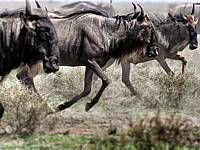
This movement is not as pronounced as in the Serengeti since Selous is almost four times larger than the former, although the weather is dry and sunny during this time; Selous has a tropical, humid climate with varied water sources.
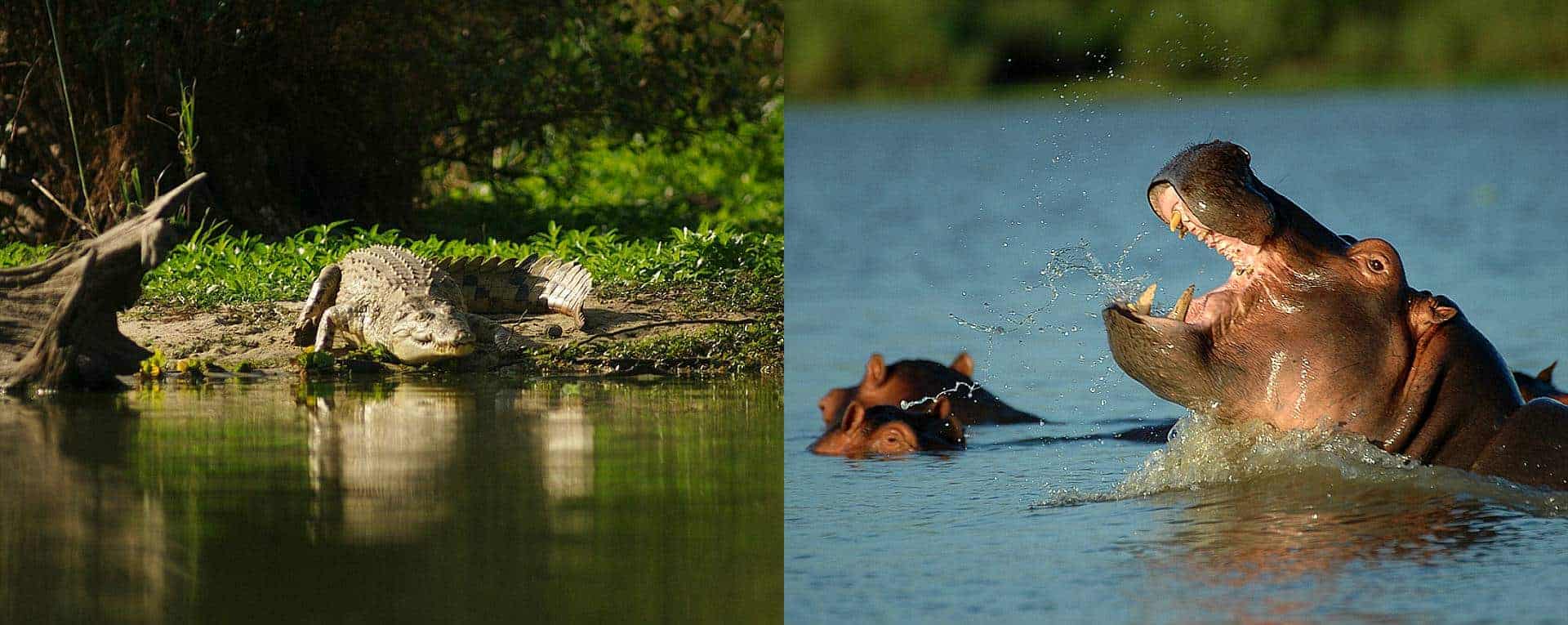
The game are not massed in single species with exceptions of elephants and buffaloes but also variedly spread out along and around the shores and waterways, so you are also advised to travel by boat in addition to a land-cruiser to see a wide variety of mammals, birds and reptiles.
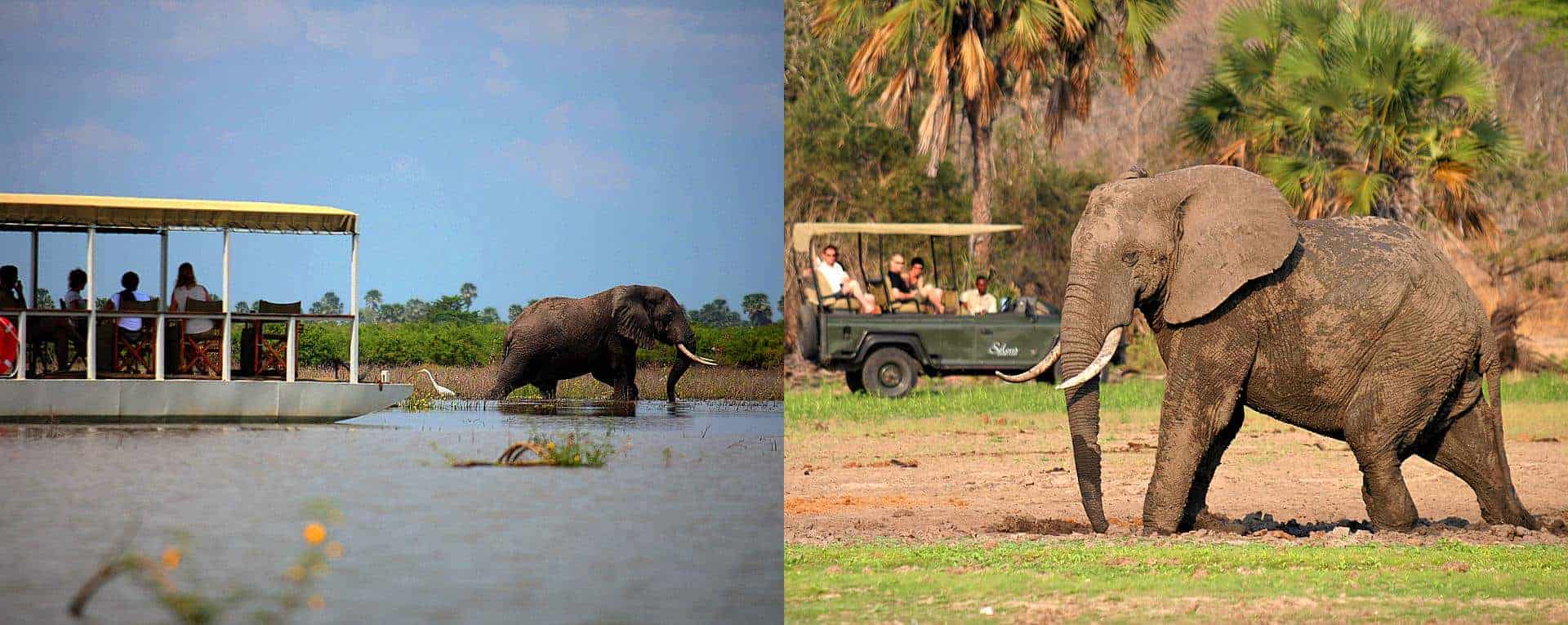
Although Nyerere (Selous) is a lesser known tourist safari destination, it can still be busy (not as the Serengeti and Ngorongoro) at this time around the Rufiji River -- this is due to the fact that only less than 10% of the land in Selous is dedicated to photography safaris. In November, when the short rains begin, many trees and plants flower profusely and the air is rich with the smell of burgeoning new life.
Because there is less seasonal variation in rainfall and temperature in southern Tanzania where is Selous is located than in the north of Tanzania, it is a popular AfricanMecca tour destination from November through Christmas and New Year as Selous is normally combined with a beach vacation to the islands of Zanzibar, Mafia and Pemba.
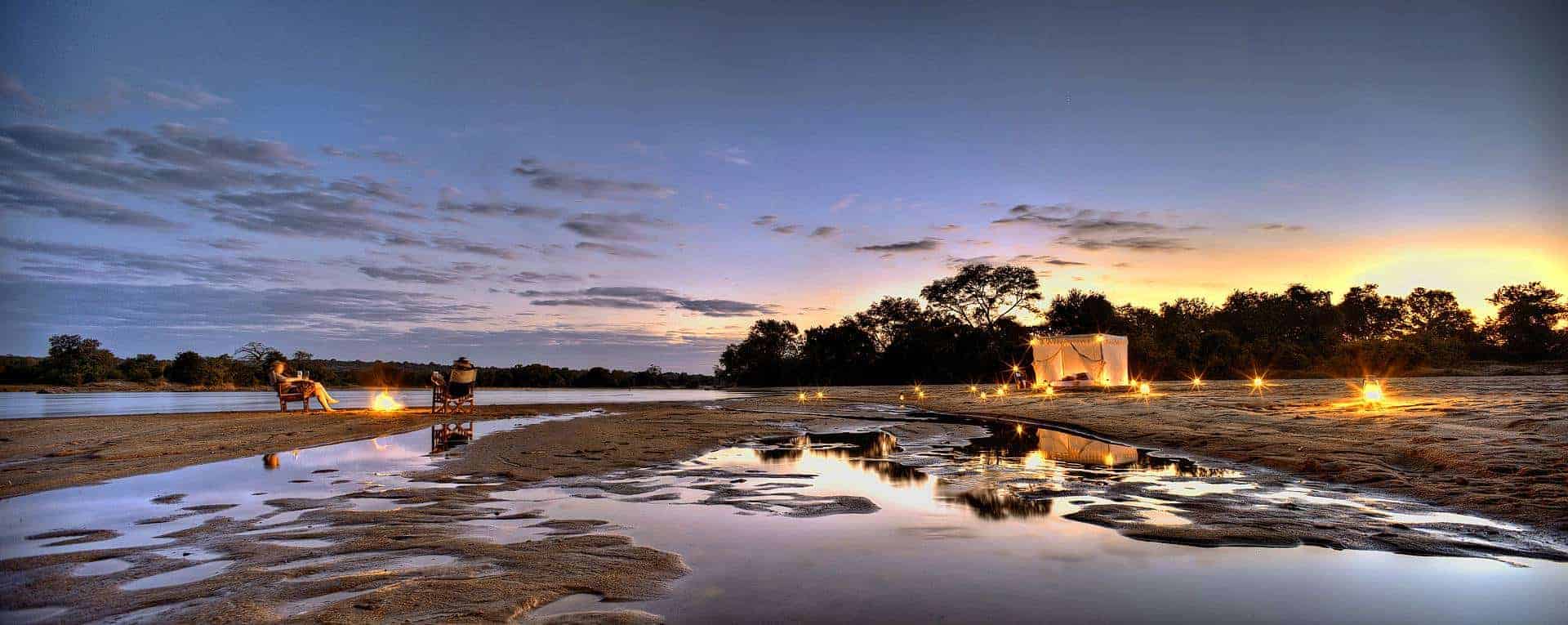
By February, the reserve is rejuvenated with fresh green growth and the arrival of cubs, foals and youngsters of varied species. This is the preferred time for seasoned AfricanMecca guests who prefer quality to quantity, benefit from the reduction of accommodation prices and are more relaxed about their Selous personalized trip.
The rains continue, usually with thunderstorms in the afternoon. But this still leaves time for muddy walking safaris in fresh, dense foliage and boat trips in high river waters. From March to May, some accommodation close because of the difficulty of traveling in this expanse of East Africa on challenging trails in the rains and the risk of venturing where impenetrable bush is crossed by sandy river beds subject to flash floods.
Others offer discounts where accessible. Most flights into Selous are suspended from Dar Es Salaam around end of March and April at the height of the rainy season and driving may take seven or eight hours at a bare minimum.
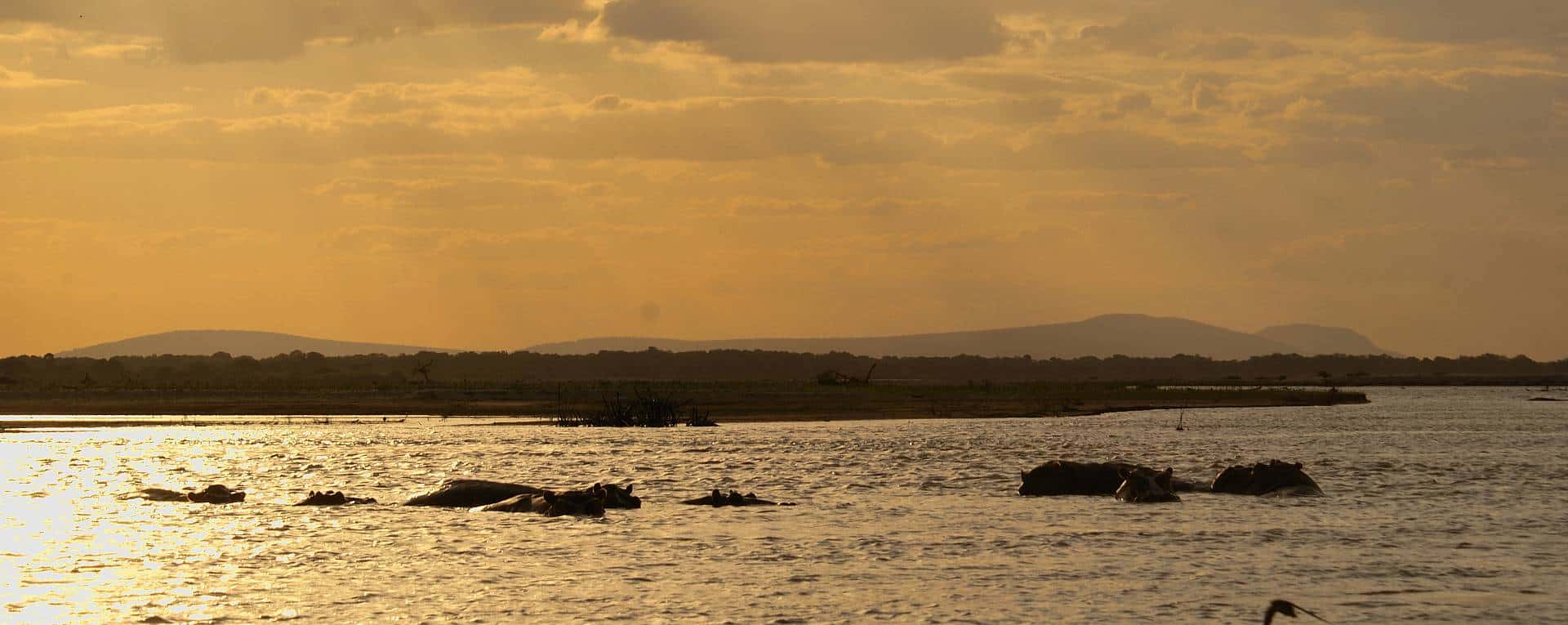
Birds are the main attraction in the wet, despite the logistical challenges. In total, over 440 bird species have been noted here. Giant and miniature kingfishers of all hues perch on branches over the water, on the lookout for dinner. Herons, pelicans, stints and other waders cluster in the shallows. Egrets perch on the heads of submerged hippopotami.
Rainbow-feathered love birds paddle in puddles while dazzling flocks of migratory carmine bee-eaters flash by. A Humboldt's Malagasy heron was spotted here, the first recorded sighting in all Africa. The Nyerere National Park (Selous) keeps many secrets. There is no fully comprehensive record of its flora and fauna and many smaller species still wait to be discovered.
Read More +
WHERE TO STAY IN NYERERE (SELOUS)
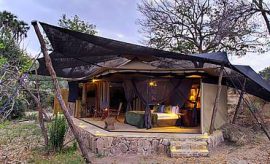
There is a fantastic range of choice of Nyerere (Selous) accommodations, from the ultimate in pampered colonial era sumptuousness to the most authentic simplicity and immersion in the wilderness experience.
Read More +
SAFARI & TOUR IN NYERERE (SELOUS)
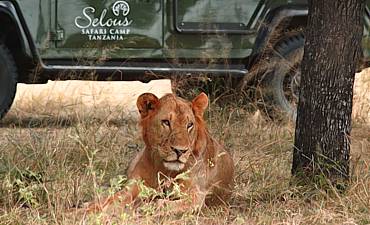
The superlative way to experience all that a Nyerere (Selous) exploratory tour offers is by a game drive through the area during the early morning or late afternoon, and combined with a walking and boating trip.
Read More +
GUIDE ON NYERERE PARK (SELOUS)
Selous is Tanzania's richest, yet little known and unfrequented wilderness area, where it is still possible to feel the isolation, the vastness and the splendor of authentic travel in Africa as it once was.
AFRICANMECCA REVIEWS
What are our Customers saying about us? READ MORE REVIEWS
AfricanMecca Safaris created a remarkable honeymoon tailored to our interests and desires. The quality of service and delivery of experience was unsurpassed. I highly recommend AfricanMecca Safaris to honeymooners, families, or any traveler.
Noorin & Jason Nelson - Maryland, United States
We have just recently returned from our trip to Tanzania. Our last stop was at the Retreat in Selous. The arrangements made by AfricanMecca were spot on. Our thanks to the AfricanMecca team and Raza for a most exceptional trip!
Warren & Sharon Hanselman - California, United States
Dear Altaf, We had a really remarkable time in Tanzania and Zanzibar. Our favorite was Mivumo River Lodge in Selous. It was truly a trip of a lifetime and we will never forget it. Thanks to everyone at AfricanMecca Safaris for making our trip so special!
Rachel Flynn & Family - California, United States
We have returned from our African adventure and would like to thank you very much for your part in making this such a wonderful experience. We were lucky enough to time the Great Migration from the Serengeti, which was amazing.
Denise Paterson - Belmont, Australia
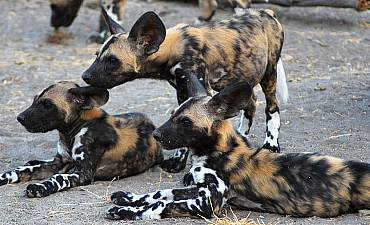
We had an absolutely unforgettable time. Both our guides were outstanding with so much knowledge. At Nyerere National Park (Selous), we found a group of wild dogs cooling off near a pool of water. The safari was everything we had hoped for.
Gunnar and Liz Kristiansen - Ontario, Canada
I booked my safari holiday through AfricanMecca. They were the most helpful company I have ever dealt with and I work within the travel industry. I had the most amazing time. The holiday went as clockwork with no hitches anywhere.
Shelley Roberts - Hemel Hempstead, United Kingdom
AfricanMecca's professionalism and care understands that what distinguishes Africa is its authenticity, the land, people and wildlife who do not share our world of fashion and fanfare that distinguish so many travel companies today.
Cyril Christo & Marie Wilkinson, Conservation Photographers, Authors & Wildlife Documentary Producers - USA
EAST AFRICA SAFARI BOOKING TRIP IDEA FOR NYERERE (SELOUS) IN SOUTHERN TANZANIA
When visiting Nyerere National Park (Selous), we recommend combining it with offbeat parks in Southern and Western Tanzania such as Ruaha or Katavi ending with a chimpanzee trekking safari at Gombe or Mahale.
You may optionally extend out to Northern Tanzania safari parks such as Tarangire, Lake Manyara, Ngorongoro Crater and Serengeti (wildebeest migration). End your trip with a Swahili cultural tour and beach holiday in Zanzibar.
NYERERE PARK (SELOUS) SAFARI & TOUR PLANNING DETAILS
Kickstart Your Safari Planning


ARE YOU PLANNING TO BOOK AN AFRICAN SAFARI TO NYERERE (SELOUS) IN TANZANIA?
Do You Need Knowledgeable, Experienced & Specialist Guidance For Your Travels In Nyerere (Selous)? Let Us Help Plan Your Trip Itinerary Correctly
CONTACT AN AFRICA TRAVEL EXPERT ON NYERERE NATIONAL PARK (SELOUS)NYERERE (SELOUS) CAMPS & LODGES
Scroll and view more Nyerere - Selous safari accommodations in Tanzania

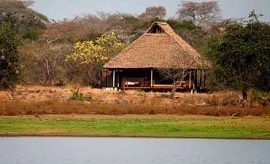
Roho ya Selous
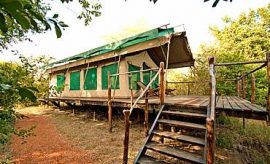
Nyerere (Selous)Mivumo River Lodge
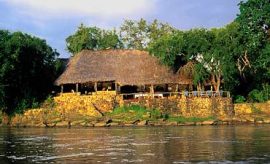
Nyerere (Selous)Beho Beho
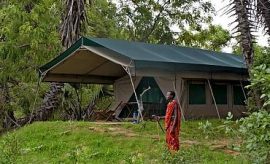
Nyerere (Selous)Kiba Point Selous Lodge
Nyerere (Selous)Selous Serena Camp
Nyerere (Selous)Siwandu Camp
Nyerere (Selous)Selous Impala Camp
Nyerere (Selous)Sand River Selous
Nyerere (Selous)Lake Manze Tented Camp
Nyerere (Selous)
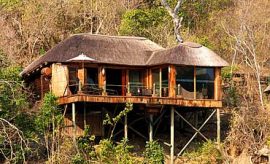
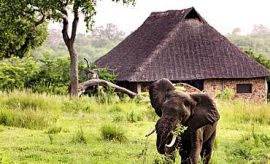
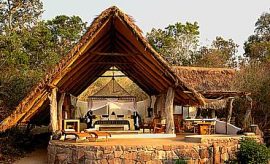
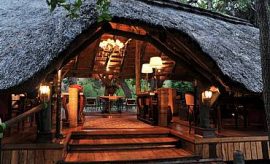
EXPLORE MORE ON NYERERE NATIONAL PARK (SELOUS) IN TANZANIA


HAVE YOU VISITED NYERERE (SELOUS) FOR AN AFRICA SAFARI IN TANZANIA?
Write A Travel Or Tourist Trip Review To Share Your Experiences
WRITE NYERERE (SELOUS) REVIEW












AMS BLOG
VIEW ALL - 26 October 2017 by AfricanMecca Safaris, in Blog For AfricanMecca Safaris,Safari Planning Blog Posts - AfricanMecca Safaris
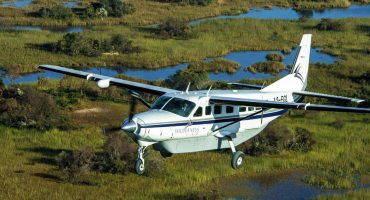
Baggage Guidance & Restrictions On Flying Safaris In Africa
Baggage Guidance & Restrictions On Flying Safaris In Africa Published By Afr...READ MORE +- 07 June 2017 by AfricanMecca Safaris, in Blog For AfricanMecca Safaris,Latest Kenya Blog Posts From AfricanMecca Safaris,Safari Planning Blog Posts - AfricanMecca Safaris
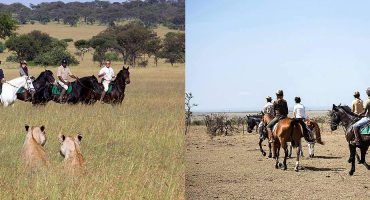
Masai Mara Horseback Riding Safari In Kenya With AfricanMecca
Masai Mara Horseback Riding Safari In Kenya Published By AfricanMecca Safaris | ...READ MORE + - 24 March 2017 by AfricanMecca Safaris, in Blog For AfricanMecca Safaris,Safari Planning Blog Posts - AfricanMecca Safaris
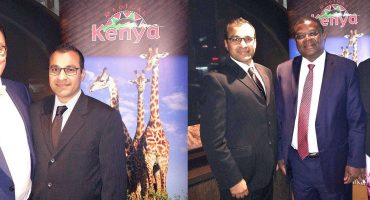
Times Square New York Hosts Kenya Tourism Board & Wilderness Safaris Meet Up
Times Square New York Hosts Kenya Tourism Board & Wilderness Safaris Meet Up...READ MORE +