
BEST TIME TO VISIT MIKUMI FOR A SOUTHERN TANZANIA SAFARI
The wet season will see the acceleration of the calving season as the rains renews the vegetation. Some ungulates like duiker and impala attend their new-born foals some distance from the main herds, making them difficult to find, but photo shoot opportunities are frequently most endearing.
In the wet, from November to May, East African game driving tours in Mikumi are often impeded soft black cotton soil, especially on the Mkata flood plains, but this is the best possible time for birding. There is usually some cloud cover, making for excellent photography in between sunlight, and rain falls but not every single day.
The breeding season begins with the rut in between March and May, when lyre-horned impala can be seen wrestling, heads down and horns locked, for the favors of a harem of gentle does. Resident birds such as widowbirds and bishops assume their striking breeding plumage whilst migratory birds such as the European stork travel to Africa from cooler countries. Flocks of thousands of pink-hued queleas and rare cuckoo weaver can be seen near the dams.
Grassland tussocks hide the nests of longclaws, with their pretty, pastel-tinted eggs, and African marsh harriers are relatively common. In the miombo woodland, the goshawks have been seen while many raptors, such as cuckoo hawks and snake eagles hunt the southern hills. Stanley’s Kopje closes completely in the wet but Vuma Hills is open all year round.
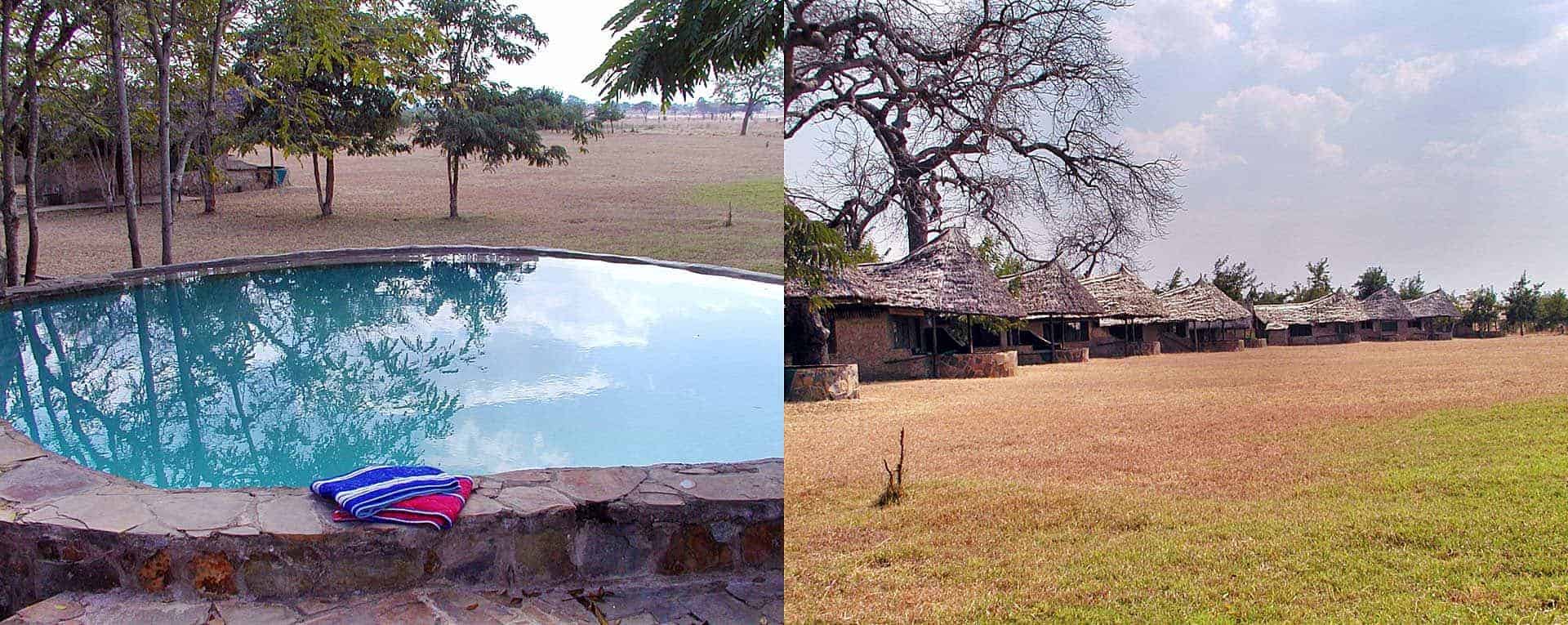
The temperature does not vary greatly so close to the equator, but high humidity can encourage tsetse fly although high temperatures deter them. To be on the safe side, avoid wearing dark blue, dark brown and black garments that attract them like animal hides. An interesting theory about zebra stripes is that they confuse the flies as it disrupts the preferred solid color uniformity enabling this single representative of the horse family to be found commonly on photographic safaris.
In low season, April and May, when it is wettest, the park is still relatively accessible. Since there is very limited accommodation available in this season, and bird-watchers are keen to visit, there is minimal room price differential and no change in logistical costs. The high season in Mikumi is from June to October, but one could never call it crowded. Most tourists stick to the central plain, leaving the rugged southern terrain to more adventurous souls.
Read More +
WHERE TO STAY IN MIKUMI
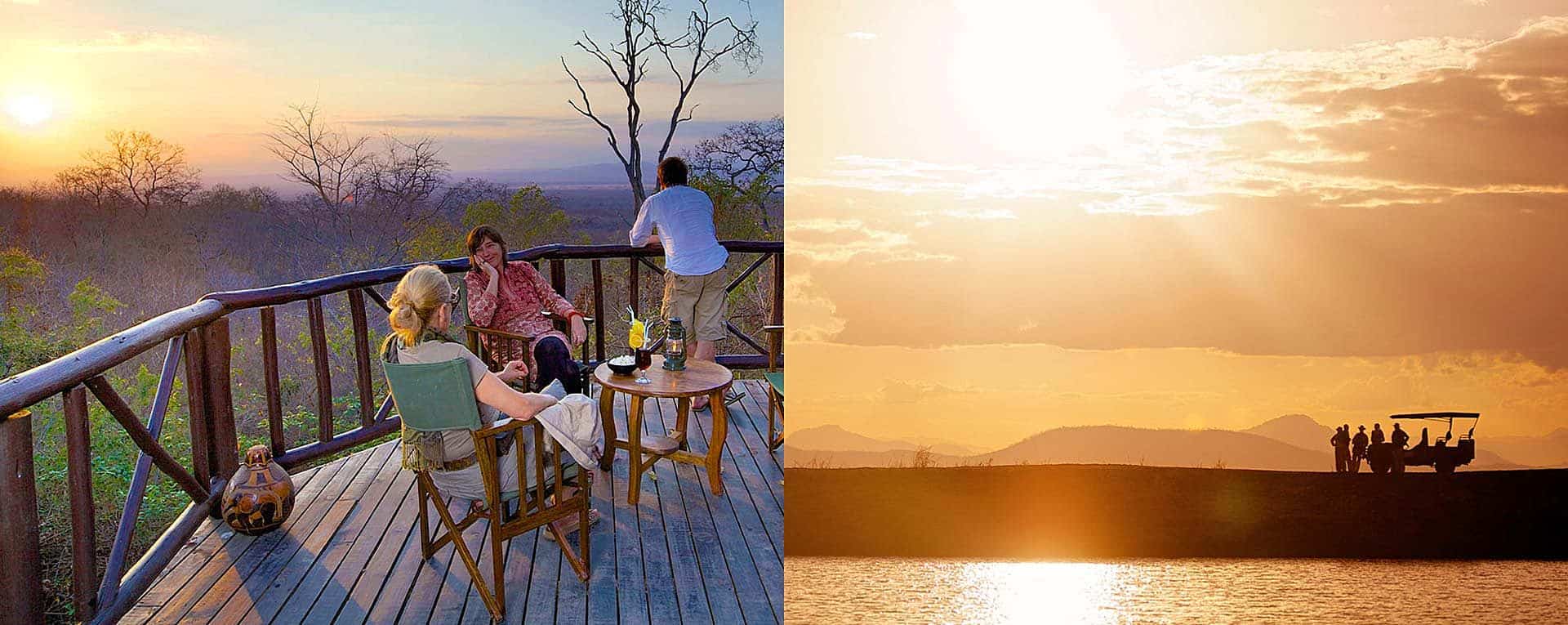
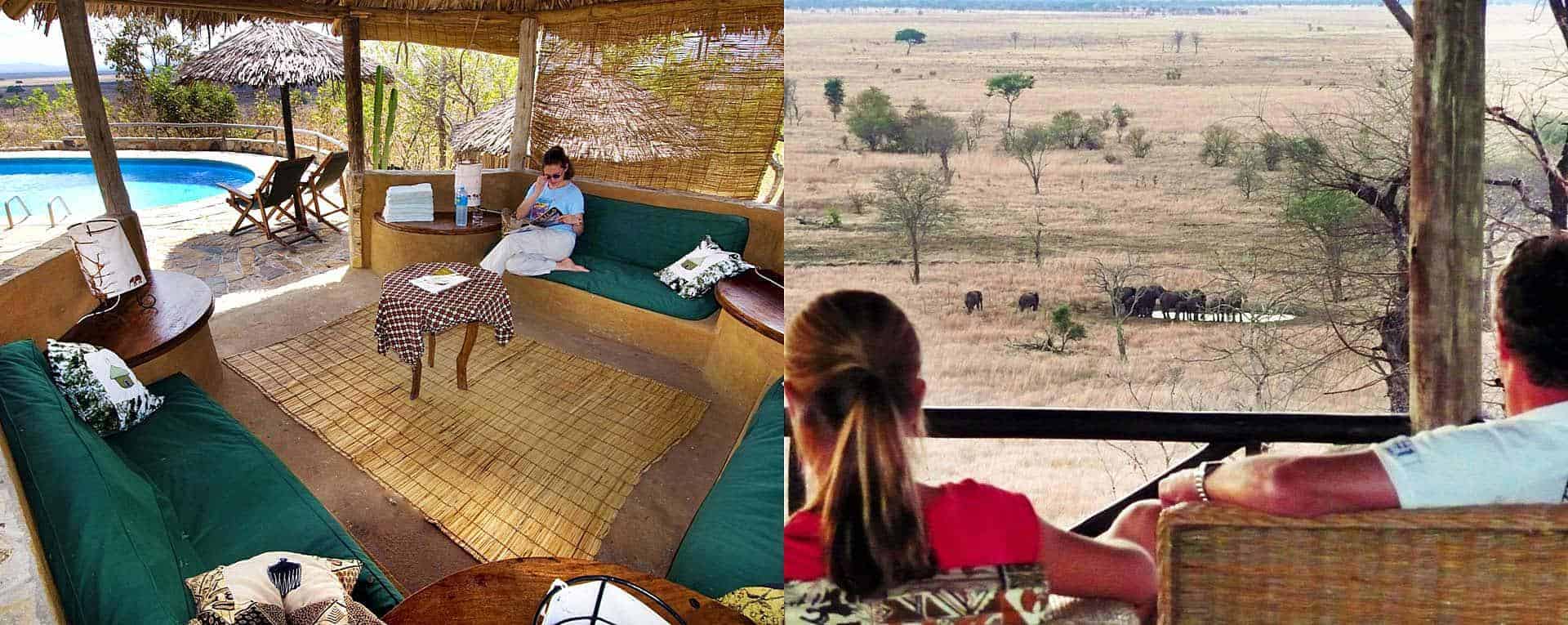
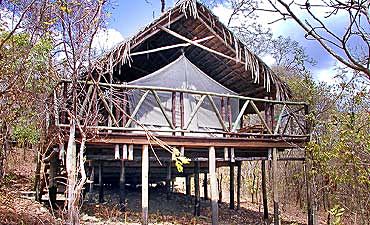
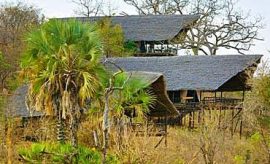
In Mikumi, there are no true luxury African safari accommodations. Stanley's Kopje offers a traditional ethnic ambience created by design and complemented by its authentic wilderness atmosphere.
Read More +
SAFARI & TOUR IN MIKUMI
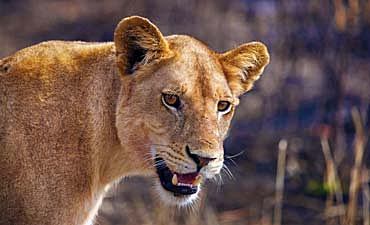
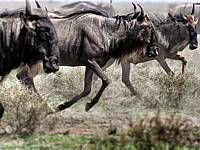
At Mikumi, game is more varied, but not as densely congregated as it is in the Serengeti. The central Mkata floodplain has herds of elephants, buffalos, impalas and zebras congregating during the day.
Read More +
GUIDE ON MIKUMI PARK
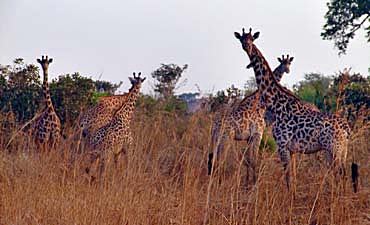
Although Mikumi National Park, part of the northern Selous ecosystem, is one of the oldest and fourth largest in Tanzania, it has not become a focus of mass wildlife tourism, despite its ease of access.
AFRICANMECCA REVIEWS
What are our Customers saying about us? READ MORE REVIEWS
Loretta and I had a great time on our honeymoon. Simiton, your safari guide in Tanzania was awesome! He was very professional, very accommodating and very knowledgeable. We are already talking about our next trip to Africa!
Loretta and Danny Haag - California, United States
First off, we had the most amazing time ever and wanted to thank you very much. Tanzania proved without a doubt to meet all of our expectations. Every detail was thought of on our trip by AfricanMecca and were are all flawless.
Marcy Burton & Ryan Kerr - Ontario, Canada
Ruaha was everything we had hoped it would be. We couldn't imagine a trip there without visiting Ngorongoro Crater and a combination of Ruaha and Selous. Our thanks to the AfricanMecca team and Raza for a most exceptional trip!
Warren & Sharon Hanselman - California, United States
We wanted to thank you for the great amount of care you put into helping us with our travel planning for Africa. We were very much in your hands. Many thanks again, Raza for all your care, attention, advice and professionalism.
Lorraine Beach and Marilyn Jolly - Marrickville, Australia
I booked my safari holiday through AfricanMecca. They were the most helpful company I have ever dealt with and I work within the travel industry. I had the most amazing time. The holiday went as clockwork with no hitches anywhere.
Shelley Roberts - Hemel Hempstead, United Kingdom
AfricanMecca's professionalism and care understands that what distinguishes Africa is its authenticity, the land, people and wildlife who do not share our world of fashion and fanfare that distinguish so many travel companies today.
Cyril Christo & Marie Wilkinson, Conservation Photographers, Authors & Wildlife Documentary Producers - USA
Jambo Raza, It was a wonderful experience in Tanzania. Rogers, our guide was superb; knowledgeable, helpful and very friendly. We were treated very well by all your ground team and everything ran smoothly. I enjoyed it all.
Alan Winner, Minnesota, United States
EAST AFRICA SAFARI BOOKING TRIP IDEA FOR MIKUMI IN SOUTHERN TANZANIA
When visiting Mikumi National Park, we recommend combining it with offbeat parks in Southern and Western Tanzania such as Nyerere (Selous), Ruaha or Katavi ending with a chimpanzee trekking safari at Gombe or Mahale.
You may optionally extend out to Northern Tanzania safari parks such as Tarangire, Lake Manyara, Ngorongoro Crater and Serengeti (wildebeest migration). End your trip with a Swahili cultural tour and beach holiday in Zanzibar.
MIKUMI PARK SAFARI & TOUR PLANNING DETAILS
Kickstart Your Safari Planning


ARE YOU PLANNING TO BOOK AN AFRICAN SAFARI TO MIKUMI IN TANZANIA?
Do You Need Knowledgeable, Experienced & Specialist Guidance For Your Travels In Mikumi ? Let Us Help Plan Your Trip Itinerary Correctly
CONTACT AN AFRICA TRAVEL EXPERT ON MIKUMI NATIONAL PARK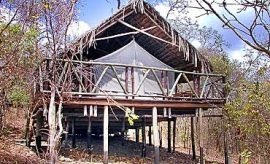
EXPLORE MORE ON MIKUMI NATIONAL PARK IN TANZANIA


HAVE YOU VISITED MIKUMI FOR AN AFRICA SAFARI IN TANZANIA?
Write A Travel Or Tourist Trip Review To Share Your Experiences
WRITE MIKUMI REVIEW












AMS BLOG
VIEW ALL - 26 October 2017 by AfricanMecca Safaris, in Blog For AfricanMecca Safaris,Safari Planning Blog Posts - AfricanMecca Safaris
Baggage Guidance & Restrictions On Flying Safaris In Africa
Baggage Guidance & Restrictions On Flying Safaris In Africa Published By Afr...READ MORE +- 07 June 2017 by AfricanMecca Safaris, in Blog For AfricanMecca Safaris,Latest Kenya Blog Posts From AfricanMecca Safaris,Safari Planning Blog Posts - AfricanMecca Safaris
Masai Mara Horseback Riding Safari In Kenya With AfricanMecca
Masai Mara Horseback Riding Safari In Kenya Published By AfricanMecca Safaris | ...READ MORE + - 24 March 2017 by AfricanMecca Safaris, in Blog For AfricanMecca Safaris,Safari Planning Blog Posts - AfricanMecca Safaris
Times Square New York Hosts Kenya Tourism Board & Wilderness Safaris Meet Up
Times Square New York Hosts Kenya Tourism Board & Wilderness Safaris Meet Up...READ MORE +