
GUIDE ON RUAHA NATIONAL PARK IN TANZANIA
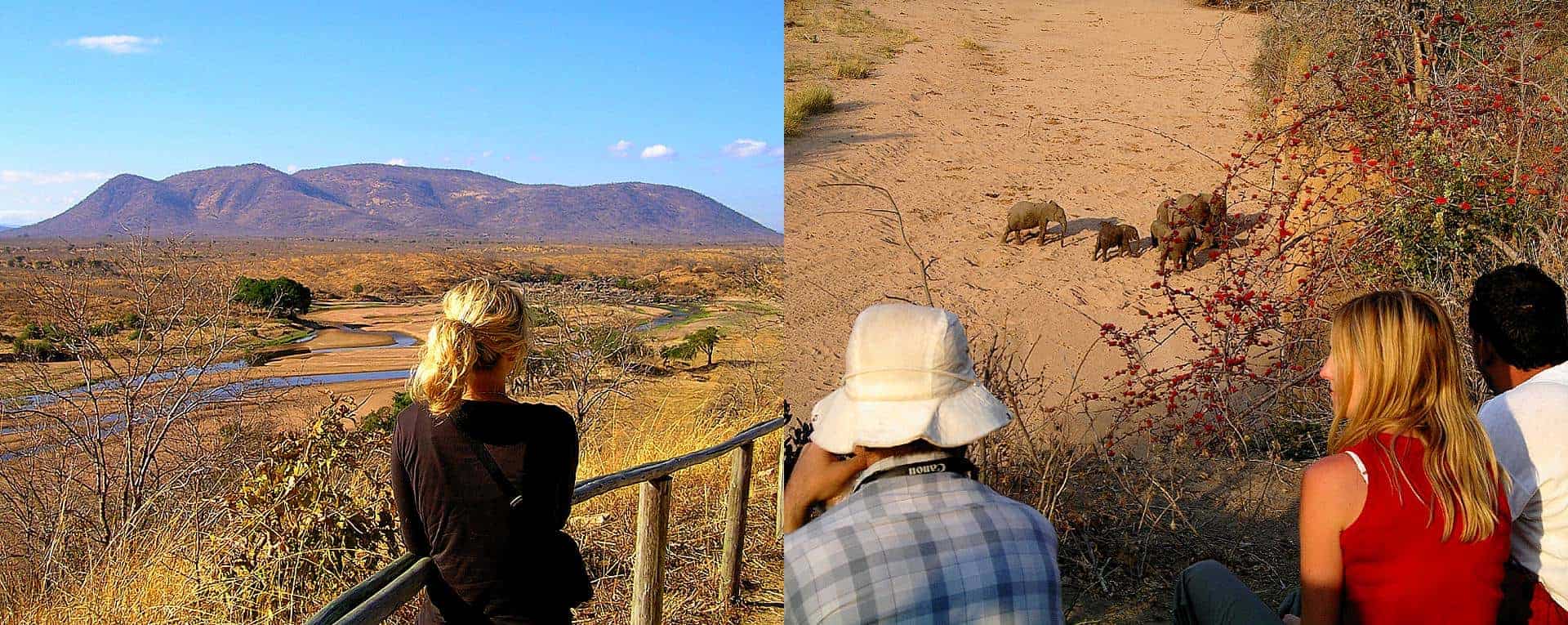
Ruaha National Park in southern Tanzania is one of the most awe-inspiring and untouched East African safari destinations. It covers an area more than many small European countries like Cyprus, Malta, Liechtenstein, Luxembourg etc. with great variation in terrain from mountains to swamps and from forests to sand rivers. Its unspoiled character results from its inaccessibility which contributes to the tremendous range of wildlife to be found on an active-adventure tour in Ruaha, not in vast herds of single species, but in diverse and widespread fauna communities.
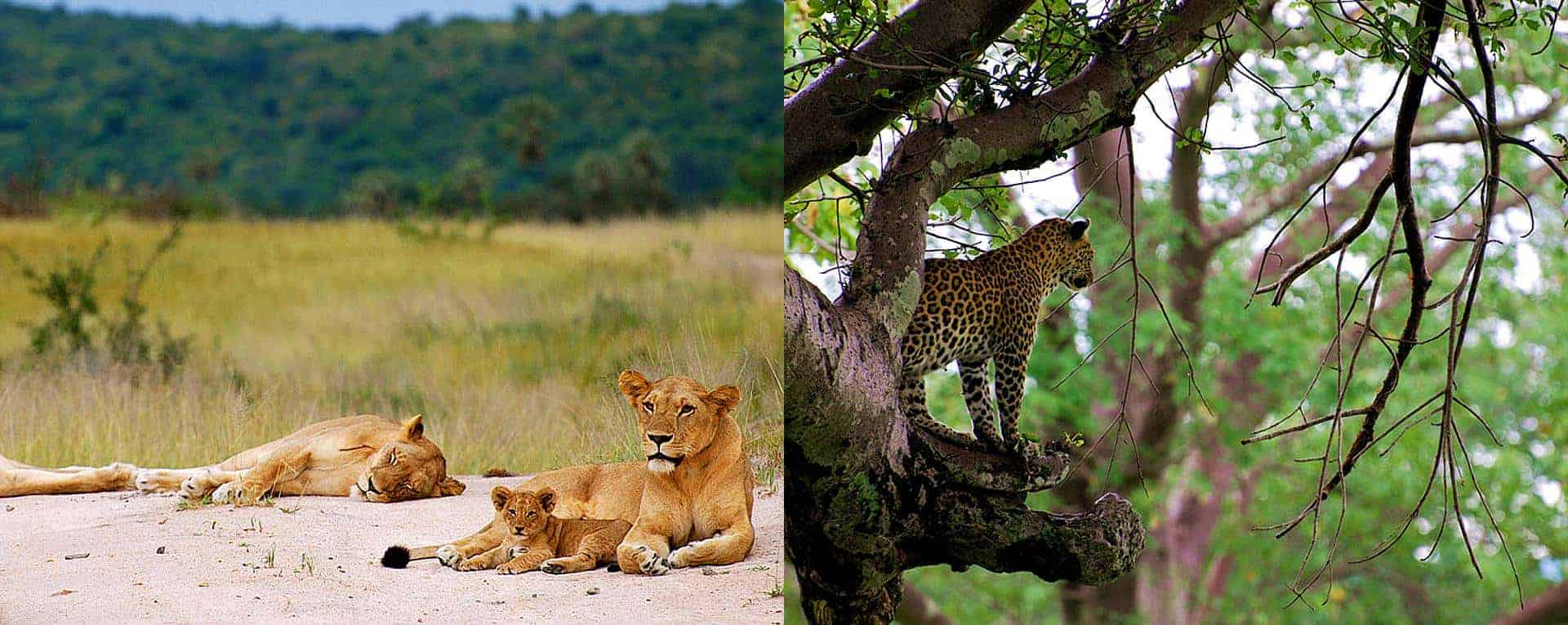
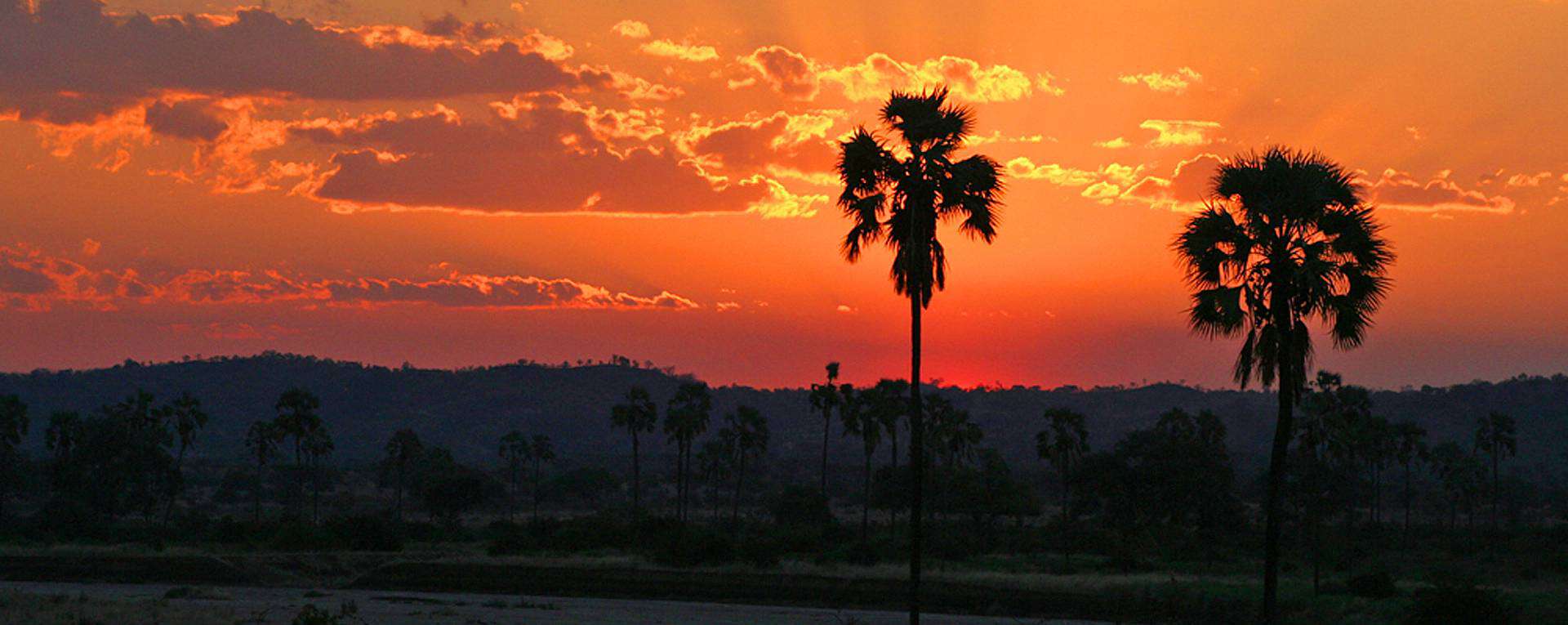
Since the park straddles the convergence zone of lush highland riverine forest with ferns and orchids and dry, arid valley floor with palms, baobabs and miombo woodlands, an incredible total of 64 mammal species inhabit the park, including 17 species of antelope, 6 types of mongoose and 6 cat genera including prides of lions, families of cheetahs, well-camouflaged leopard, African wild cats, caracals and cervals, not to be confused with genets and civets which are also common.
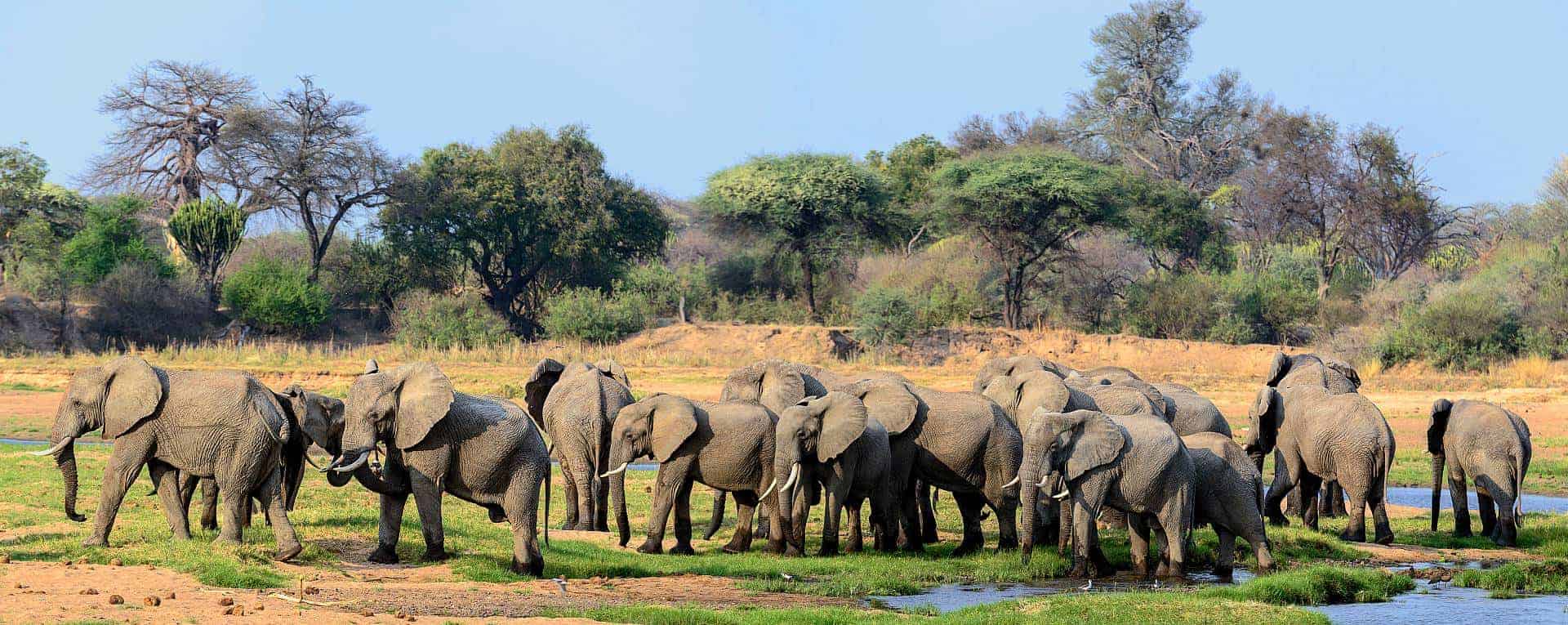
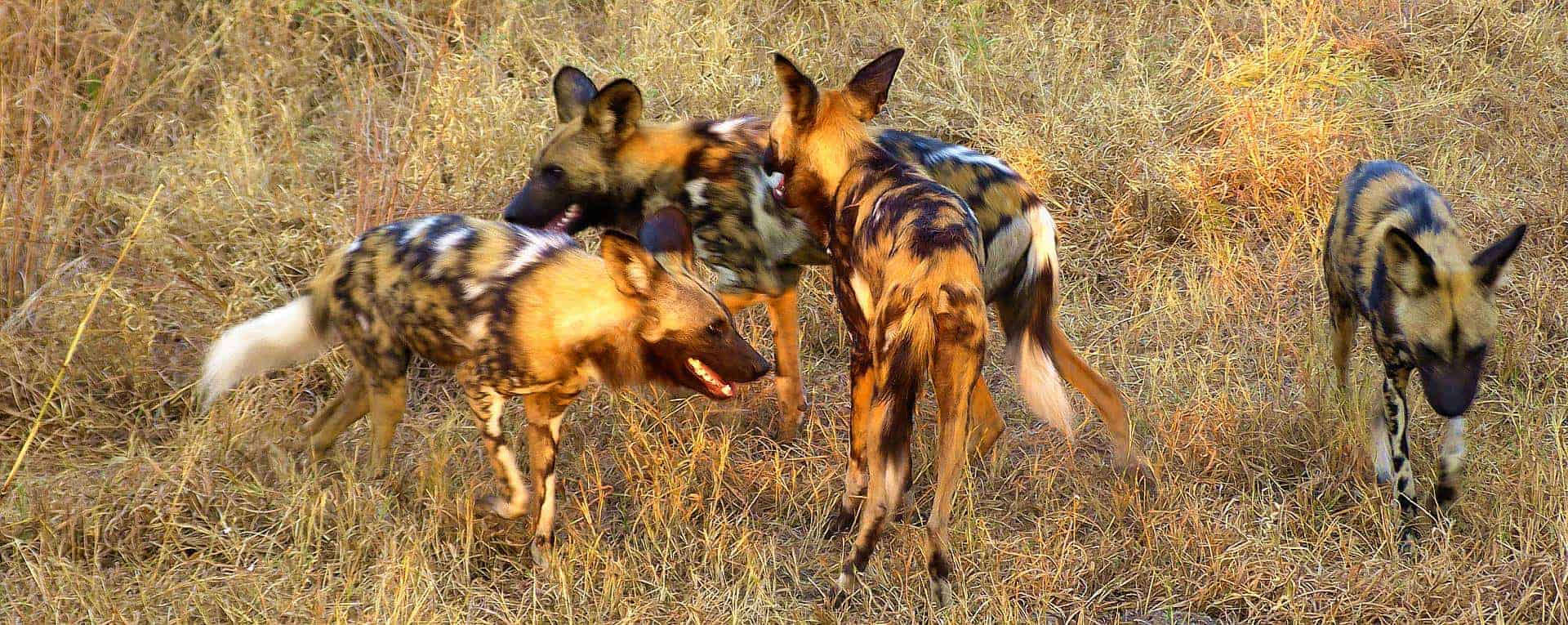
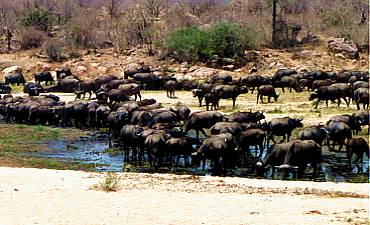
Many species, such as the African wild dog and greater kudu exist too but are threatened or absent from other parks and conservation areas. Ruaha boasts over of thousands of elephants in dissected herds, and also buffalos, hundreds of crocodiles and hippopotamus, diverse kinds of fish in the Great Ruaha River, and one of the largest bird checklists ever to delight any twitcher’s heart, with over 570 recorded species.
The park covers over 20,000 square kilometers (7700 sq. miles) which overlap the limits of migration from all four points of the compass. Its isolation and rugged nature afford an unrivaled AfricanMecca nature holiday experience, humans alone in a largely unexplored paradise with new marvels to be found at every turn. There are over 1650 known plant species, compared with only 410 in the Serengeti. Such richness deserves conservation.
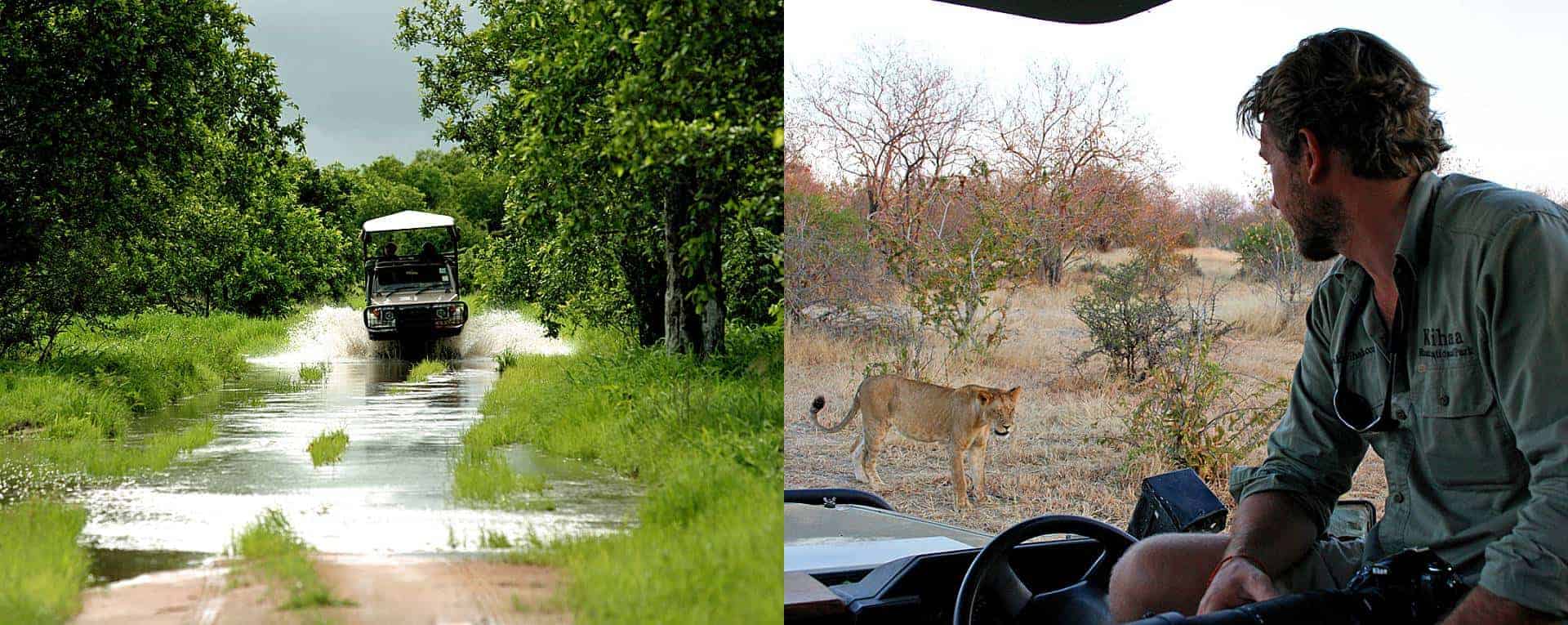
The eco-tourist industry, relatively new here, makes it possible to fund projects to preserve the unique heritage of Ruaha for the enjoyment and wonder of visitors on a bush tour in Tanzania from all over the world. Apart from a small number of tented camps and tourist lodges, no human settlements are permitted. Being a national park, no off-road driving is allowed; although, night game drives are available at select camps in Ruaha e.g Jabali Ridge, Kwihala.
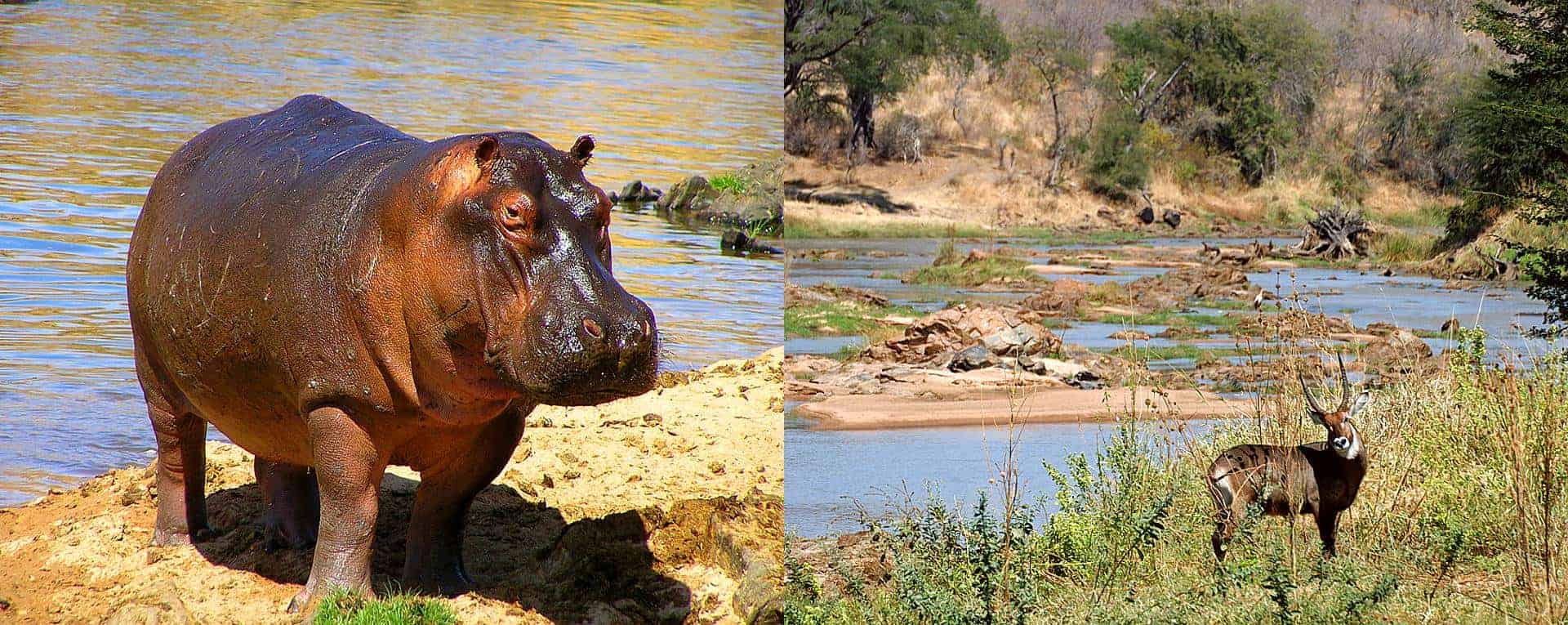
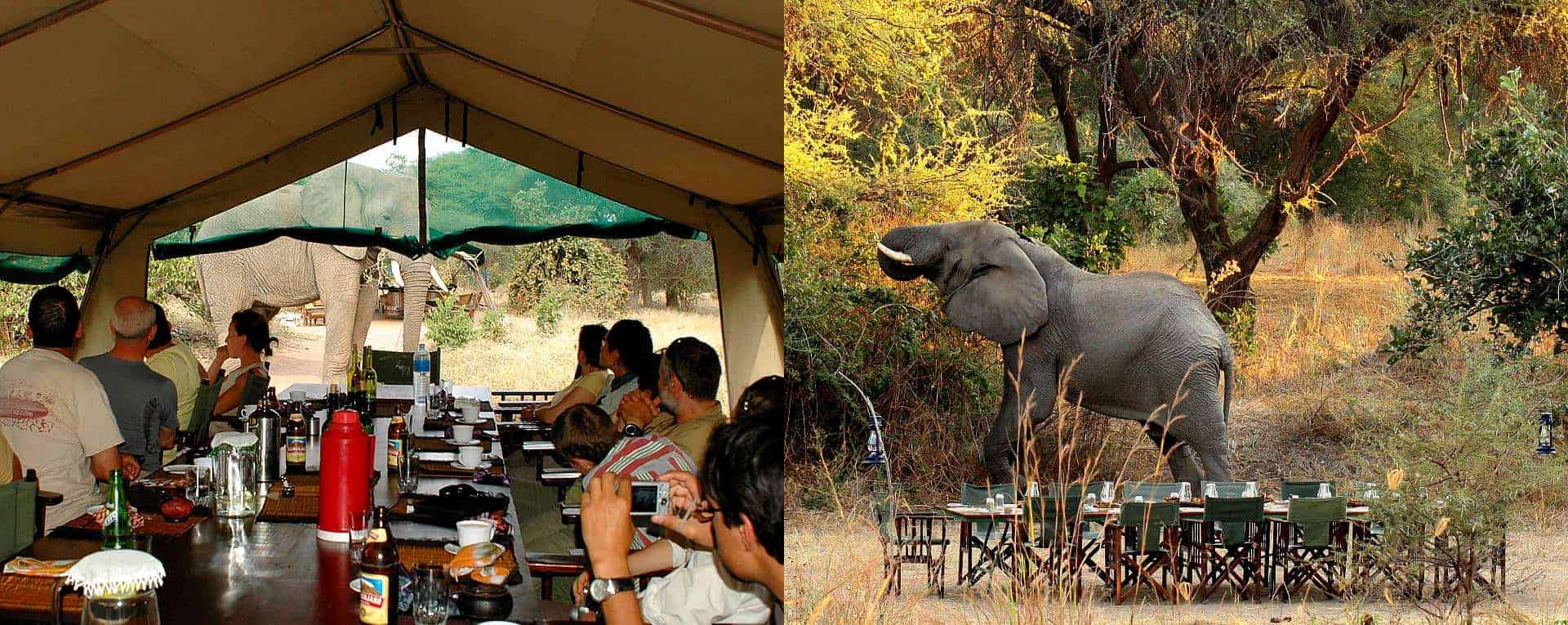
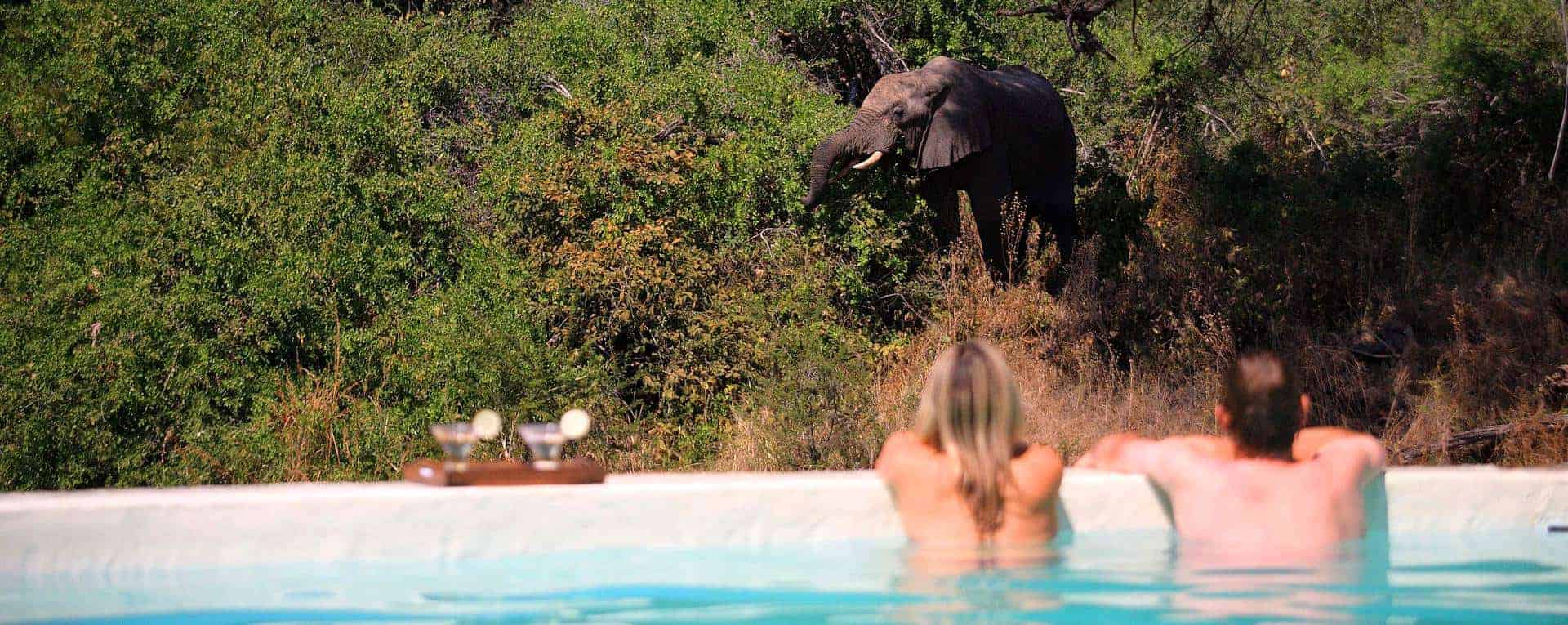
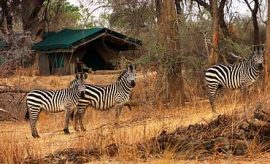
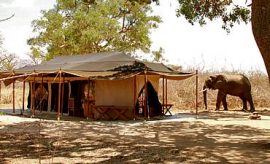
But since the wildlife have not learned to fear mankind, your Tanzanian wondrous safari starts at home. They can also be observed from most of the camp tents and lodge rooms (read more on where to stay in Ruaha). Warthogs and giraffes are frequent visitors as are elephant and buffalo. Hyraxes, like cuddly stuffed toys, inquisitive mongooses and bounding dik-diks congregate on terraces. Hippos and crocodiles bask on river banks. Zebra and giraffe stroll only yards from the camps. Troops of baboons and monkeys groom each other and frolic while lion prides snooze in dry grass within binocular or camera zoom range.
Select Our Highly Recommended & Unique Designed Ruaha Safaris That You Want To Tour Visit & Experience
3 & 4 DAYS - RUAHA ADVENTURE & EXPLORER SAFARI
Areas Visited: Ruaha From Serengeti, Dar es Salaam or Zanzibar
Read More +
WHERE TO STAY IN RUAHA
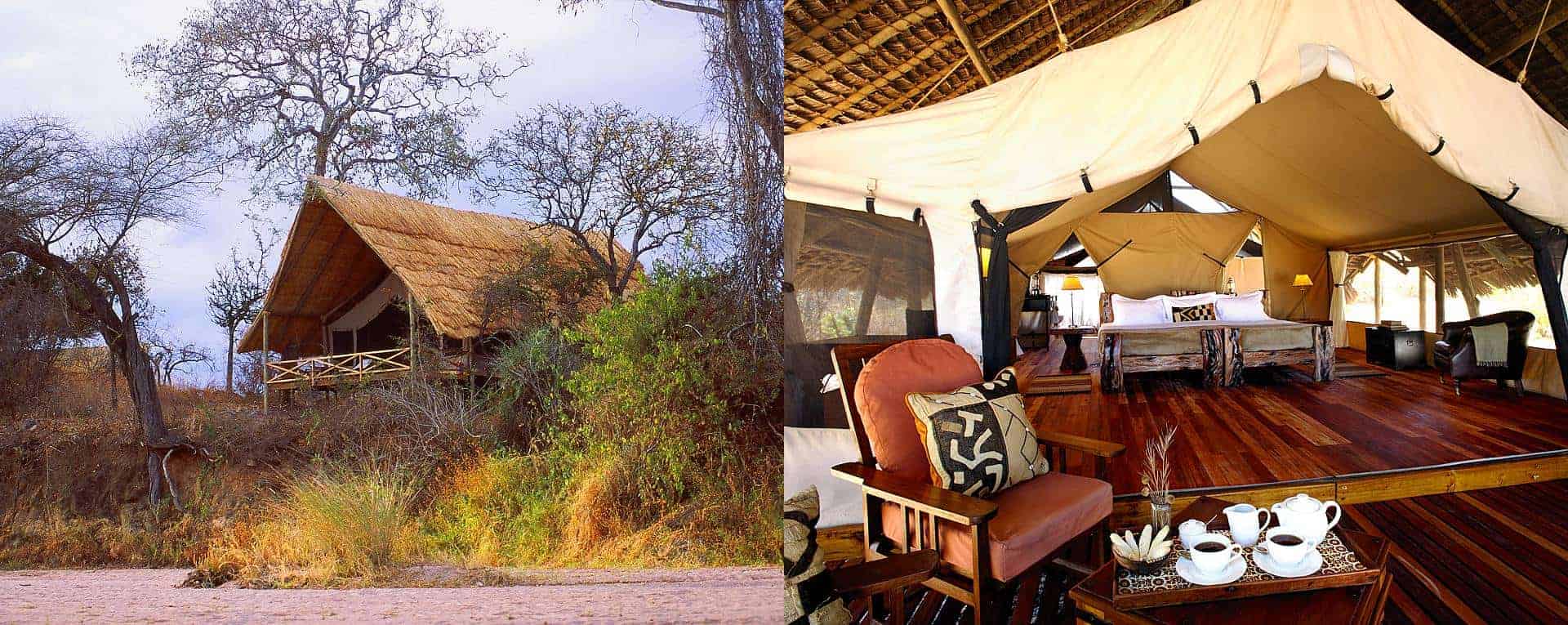
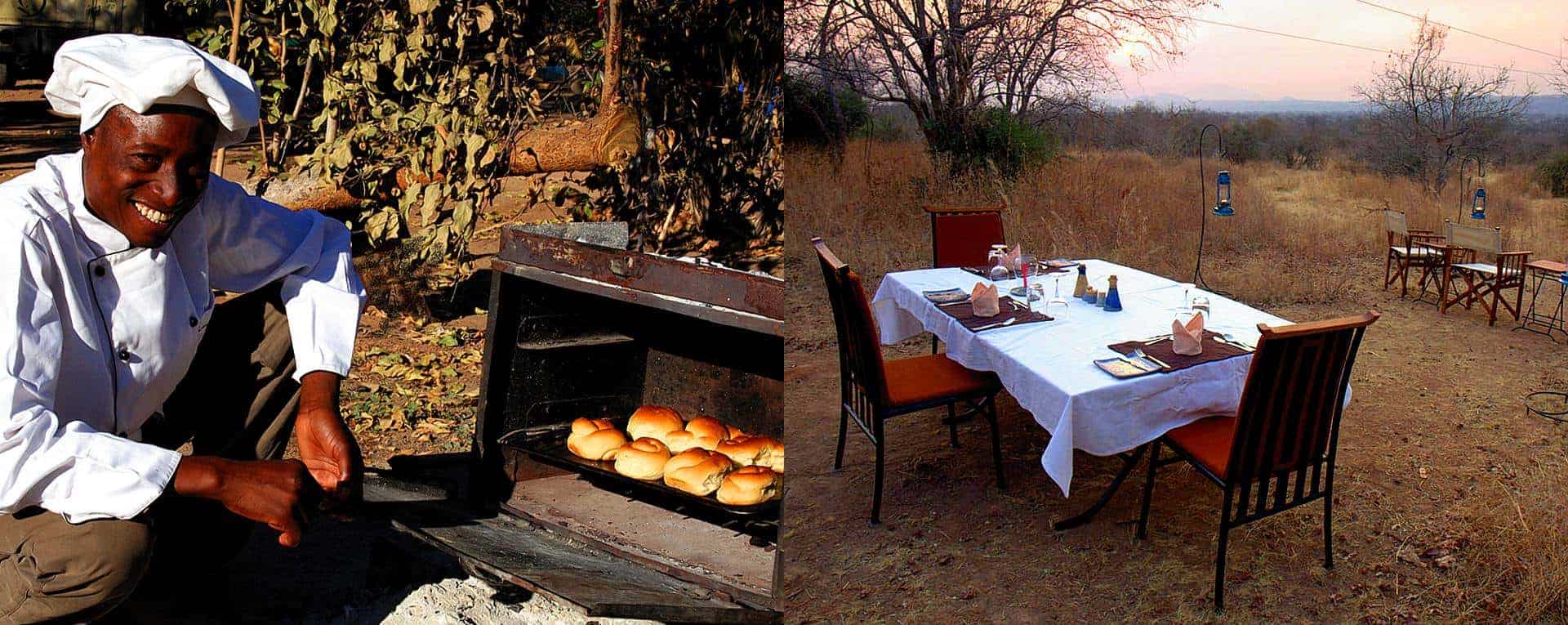
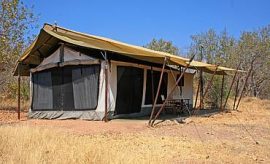
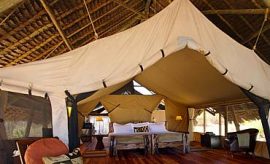
At Jongomero Camp, you will experience the ultimate in luxury living in an isolated setting in the southern wilderness. The less opulent Mwagusi offers a charming accommodation sited at a sand river.
Read More +
SAFARI & TOUR IN RUAHA
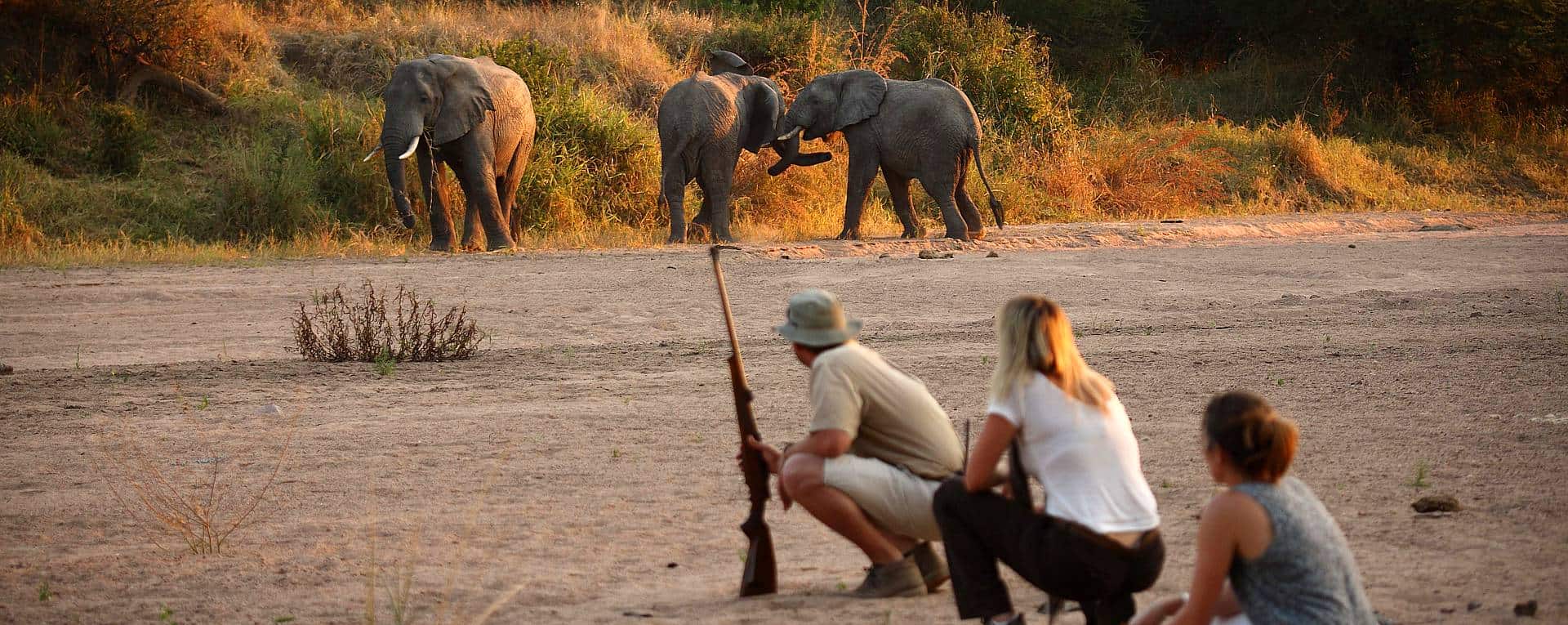
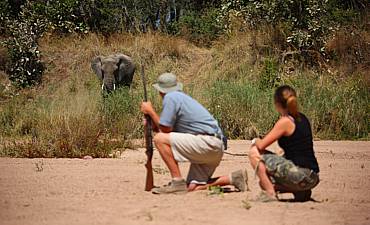
The finest way to make the most of your dream trip to Ruaha is combining game drives with authentic walking safaris. Few camps in Ruaha offer fly camping expeditions for the more adventurous.
Read More +
BEST TIME TO VISIT RUAHA
Ruaha is accessible all year round, with most visitors arriving to tour in the dry season from June to October, when game congregates around water sources. The wet season runs from November to May.
AFRICANMECCA REVIEWS
What are our Customers saying about us? READ MORE REVIEWS
Jambo Raza, It was a wonderful experience in Tanzania. Rogers, our guide was superb; knowledgeable, helpful and very friendly. We were treated very well by all your ground team and everything ran smoothly. I enjoyed it all.
Alan Winner, Minnesota, United States
Ruaha was everything we had hoped it would be. We couldn't imagine a trip there without visiting Ngorongoro Crater and a combination of Ruaha and Selous. Our thanks to the AfricanMecca team and Raza for a most exceptional trip!
Warren & Sharon Hanselman - California, United States
Loretta and I had a great time on our honeymoon. Simiton, your safari guide in Tanzania was awesome! He was very professional, very accommodating and very knowledgeable. We are already talking about our next trip to Africa!
Loretta and Danny Haag - California, United States
First off, we had the most amazing time ever and wanted to thank you very much. Tanzania proved without a doubt to meet all of our expectations. Every detail was thought of on our trip by AfricanMecca and were are all flawless.
Marcy Burton & Ryan Kerr - Ontario, Canada
I booked my safari holiday through AfricanMecca. They were the most helpful company I have ever dealt with and I work within the travel industry. I had the most amazing time. The holiday went as clockwork with no hitches anywhere.
Shelley Roberts - Hemel Hempstead, United Kingdom
We wanted to thank you for the great amount of care you put into helping us with our travel planning for Africa. We were very much in your hands. Many thanks again, Raza for all your care, attention, advice and professionalism.
Lorraine Beach and Marilyn Jolly - Marrickville, Australia
AfricanMecca's professionalism and care understands that what distinguishes Africa is its authenticity, the land, people and wildlife who do not share our world of fashion and fanfare that distinguish so many travel companies today.
Cyril Christo & Marie Wilkinson, Conservation Photographers, Authors & Wildlife Documentary Producers - USA
EAST AFRICA SAFARI BOOKING TRIP IDEA FOR RUAHA IN SOUTHERN TANZANIA
When visiting Ruaha National Park, we recommend combining it with offbeat parks in Southern and Western Tanzania such as Nyerere (Selous) or Katavi ending with a chimpanzee trekking safari at Gombe or Mahale.
You may optionally extend out to Northern Tanzania safari parks such as Tarangire, Lake Manyara, Ngorongoro Crater and Serengeti (wildebeest migration). End your trip with a Swahili cultural tour and beach holiday in Zanzibar.
RUAHA PARK SAFARI & TOUR PLANNING DETAILS
Kickstart Your Safari Planning


ARE YOU PLANNING TO BOOK AN AFRICAN SAFARI TO RUAHA IN TANZANIA?
Do You Need Knowledgeable, Experienced & Specialist Guidance For Your Travels In Ruaha ? Let Us Help Plan Your Trip Itinerary Correctly
CONTACT AN AFRICA TRAVEL EXPERT ON RUAHA NATIONAL PARK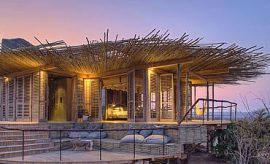
EXPLORE MORE ON RUAHA NATIONAL PARK IN TANZANIA


HAVE YOU VISITED RUAHA FOR AN AFRICA SAFARI IN TANZANIA?
Write A Travel Or Tourist Trip Review To Share Your Experiences
WRITE RUAHA REVIEW












AMS BLOG
VIEW ALL - 26 October 2017 by AfricanMecca Safaris, in Blog For AfricanMecca Safaris,Safari Planning Blog Posts - AfricanMecca Safaris
Baggage Guidance & Restrictions On Flying Safaris In Africa
Baggage Guidance & Restrictions On Flying Safaris In Africa Published By Afr...READ MORE +- 07 June 2017 by AfricanMecca Safaris, in Blog For AfricanMecca Safaris,Latest Kenya Blog Posts From AfricanMecca Safaris,Safari Planning Blog Posts - AfricanMecca Safaris
Masai Mara Horseback Riding Safari In Kenya With AfricanMecca
Masai Mara Horseback Riding Safari In Kenya Published By AfricanMecca Safaris | ...READ MORE + - 24 March 2017 by AfricanMecca Safaris, in Blog For AfricanMecca Safaris,Safari Planning Blog Posts - AfricanMecca Safaris
Times Square New York Hosts Kenya Tourism Board & Wilderness Safaris Meet Up
Times Square New York Hosts Kenya Tourism Board & Wilderness Safaris Meet Up...READ MORE +