
NAMUNYAK CONSERVANCY TOUR EXPERIENCES IN THE NORTHERN FRONTIER WITH AFRICANMECCA
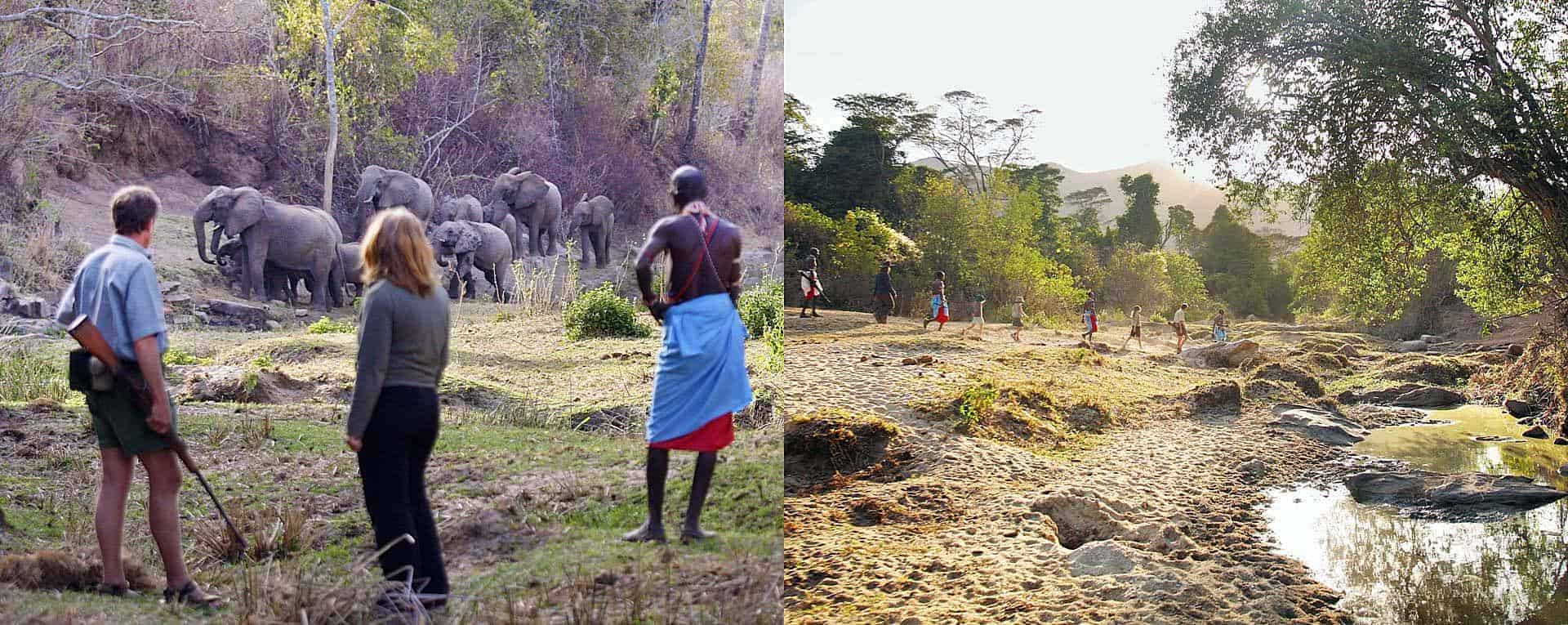
Like other native communities in Kenya, the Samburu people have come to embrace the idea that protection of wildlife advances the needs, well-being and quality of life of their people. Established in 1995, the conservancy covers 850,000 acres in the Matthews Mountain Range and is recognized as being some of Kenya’s best-untouched wilderness. General conservancy oversight is managed by a committee that includes members of the local community.
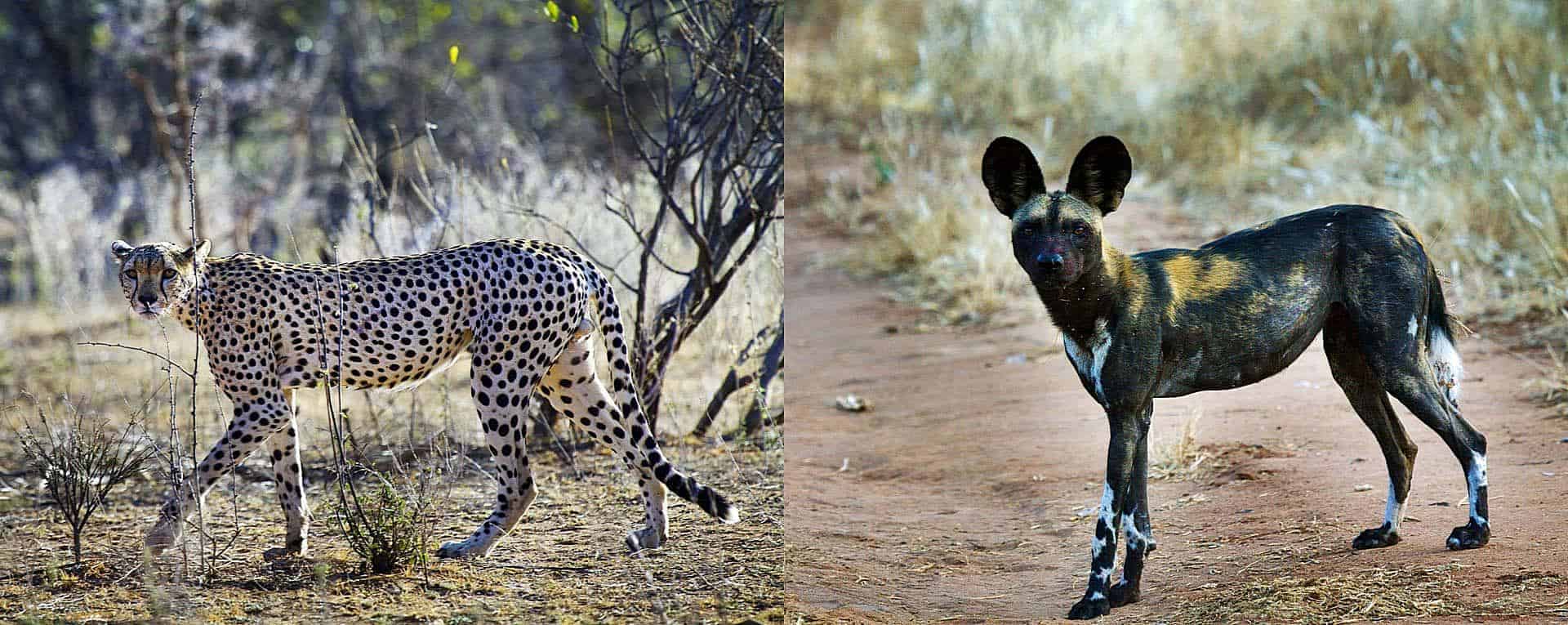
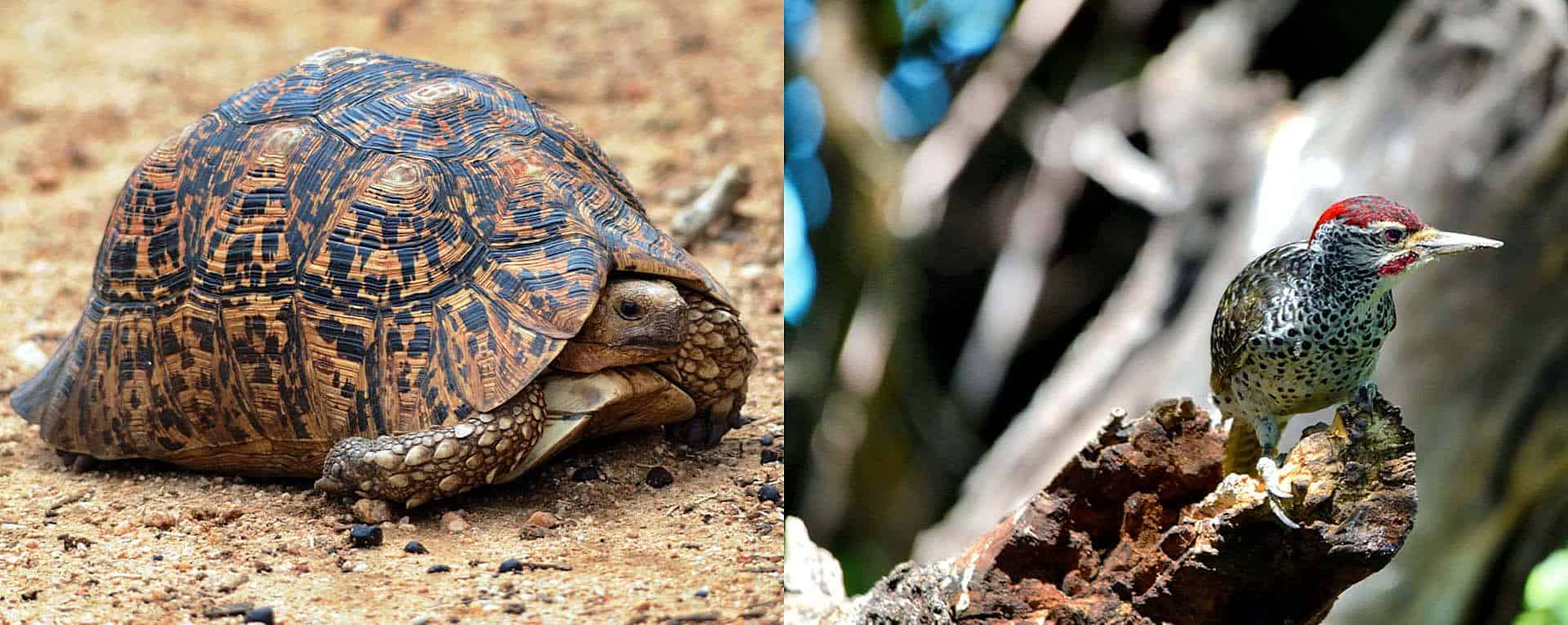
Revenue is generated through lodging fees at Sarara and Kitich Camp and also its conservation fees, which are dedicated to the safeguarding of its ecosystem and wildlife protection, water resource development, educational initiatives and healthcare resources for the Samburu community. The efforts of the Samburu to effectively balance the needs of their community with the safeguard and preservation of wildlife and nature has made Namunyak a safe home for African wild dogs, grevy’s zebras, gerenuks, reticulated giraffes, de brazza colobus monkeys and other endangered species.
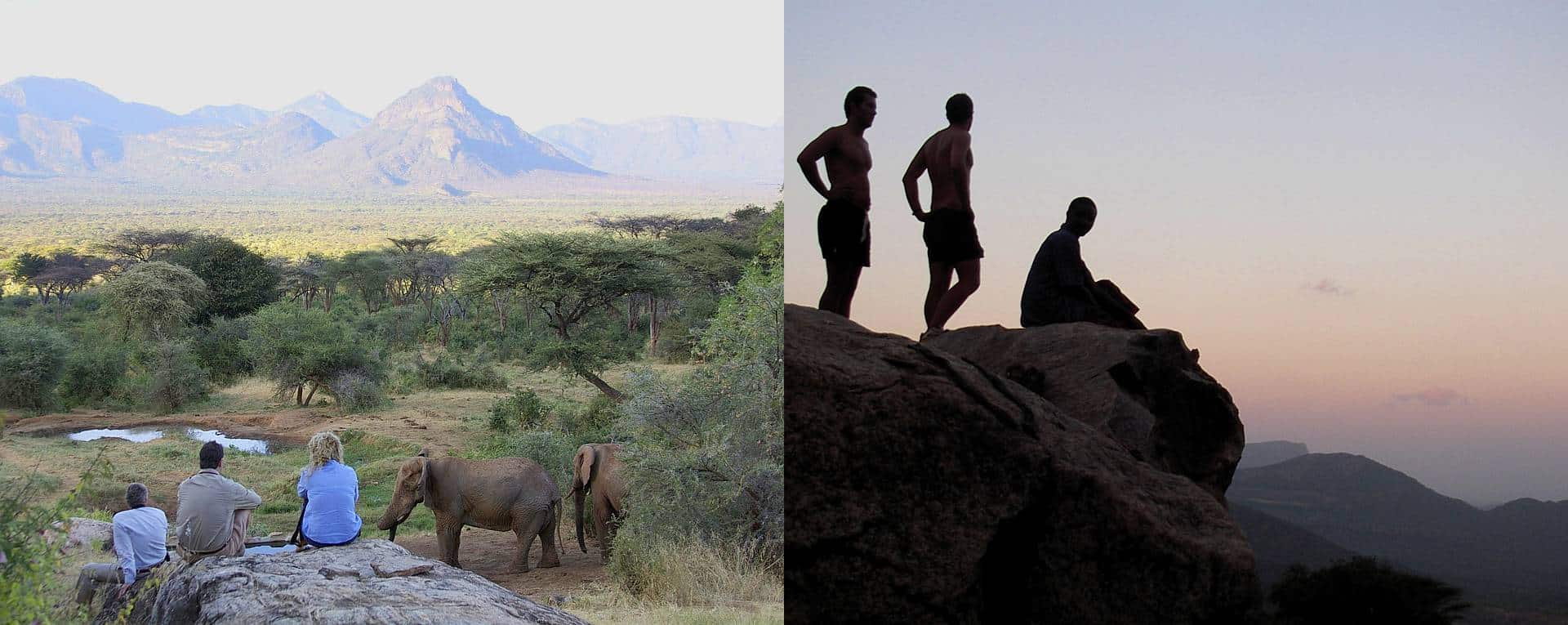
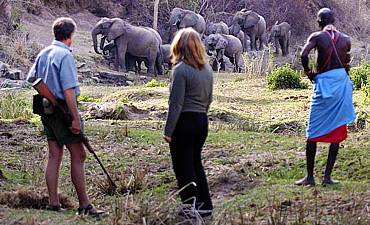
The conservancy is also experiencing a steady increase in populations of kudus, elephants, buffalos, and other herbivores, as well as rising numbers of leopards, lions and other predators. The migration corridor of the Samburu-Laikipia elephants also traverses part of the conservancy, connecting the national reserves in the south with other remote conservancies and the Matthews Mountain Range in the north and east. The protection of the corridor by the Namunyak Wildlife Conservancy and other wildlife management areas ensures that these majestic creatures are able to follow the same migration paths as earlier pachyderm generations.
Read More +
WHERE TO STAY IN NORTHERN FRONTIER
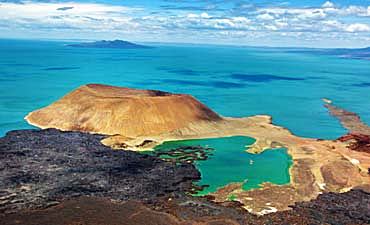
The Northern Frontier has varied wildernesses, each with a distinct accommodation. In Lake Turkana, we recommend Lobolo Camp. Namunyak only has two camps: Sarara and Kitch. Desert Rose is sited on Mount Oldonyo Nyiru.
Read More +
SAFARI & TOUR IN NORTHERN FRONTIER
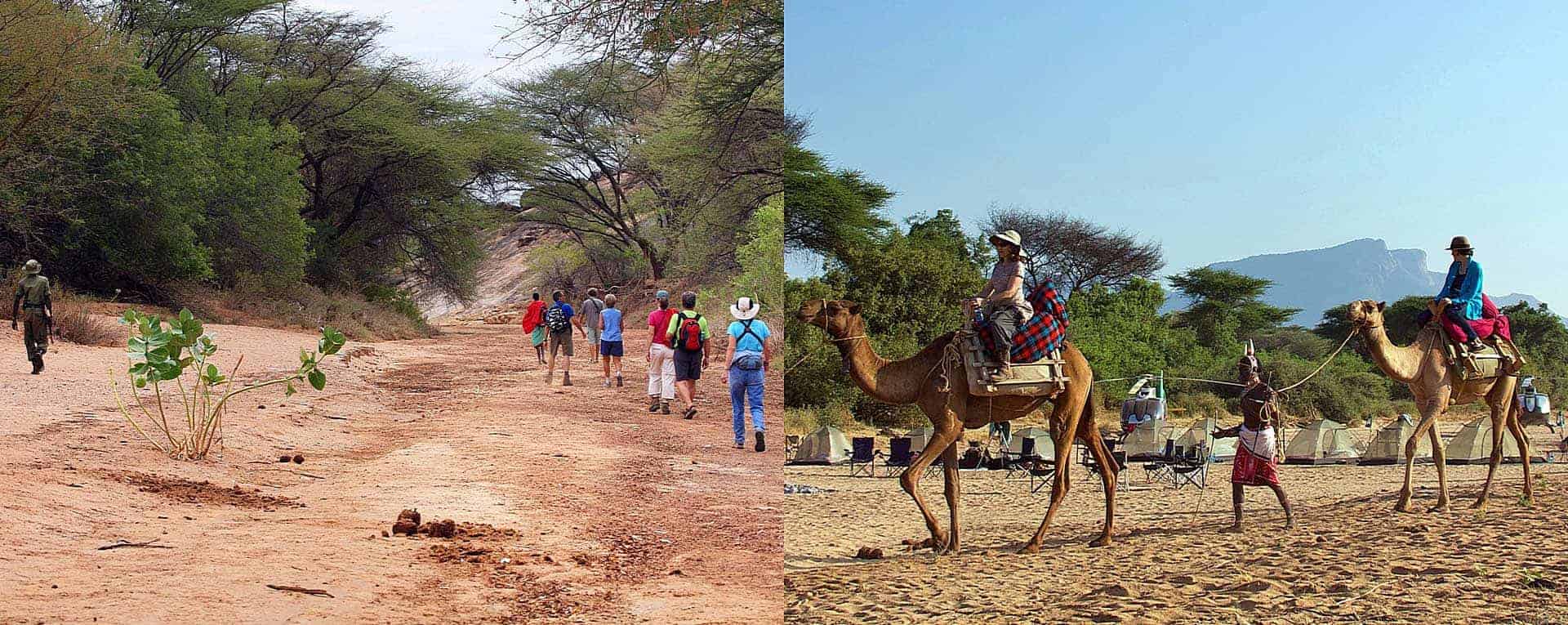
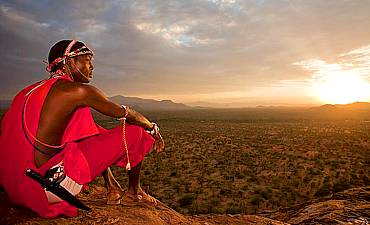
There are several activities on offer in the Northern Frontier depending on where you are staying e.g. game drives, bush walks, cultural visits, desert explorations, archaeological tours, camel rides, fishing and many more.
Read More +
BEST TIME TO VISIT NORTHERN FRONTIER
The climate in the Northern Frontier is less similar to other locations that you may visit during your Kenya wilderness safari. Daytime temperatures remain high throughout the year. Annual precipitation is low in comparison.
Read More +
GUIDE ON NORTHERN FRONTIER
The Northern Frontier is a vast, pristine wilderness expanse in northern Kenya. The landscape, flora, fauna, archaeological sites and small villages contribute to an unsurpassed, authentic vacation in the wildest of Africa.
AFRICANMECCA REVIEWS
What are our Customers saying about us? READ MORE REVIEWS
Jambo Altaf, We had a once-in-a-lifetime experience in Kenya. The two camps you had chosen for us to stay in -- Il Ngwesi Lodge in Laikipia and Basecamp Maasai Mara -- were exemplary in how they were built...
Almut Spalding, Ph.D - Assoc. Professor of Modern Languages - Illinois College, United States
Dear Raza, Just a note to let you know that my daughter and I had a wonderful time in Kenya. I fell in love with your beautiful country & people. Our safari at Lewa Conservancy was everything we expected and more.
Patricia Young - Universal Music Group - California, United States
Jambo Altaf, Many thanks for a brilliant holiday. Your choice of tented accommodation at the two Tsavos and Amboseli was superb, we didn't have a favourite. We would recommend AfricanMecca to anyone.
Geoffrey Topliss - Northampton, United Kingdom
We had the most unbelievable African Safari experience imaginable. Our first stay at Wilderness Trails in Lewa was a big surprise. We were able to see all the Big Five up close. Thank you for a superb experience.
Gary & Helen Bartel - Sacramento - California, United States
Dear Raza...We had a fantastic time at Wilderness Trails and Borana. And you and your organization provided top quality service. You were completely correct about all your recommendations. Thank you.
Deanne LaRue - California, United States
Jambo Altaf and Raza! We are back on earth now after our fabulous honeymoon. This is to say THANK YOU so much for organising a week in Kenya that we will never forget.....!
Dr Krina Zondervan, Oxford University - United Kingdom
Dear Raza, The accommodations you recommended were superb. We loved them all -- Giraffe Manor, Wilderness Trails, Governor's Il Moran, Ngorongoro Crater Lodge and Mnemba Island Lodge.
Pat Bernard, Vice President, Global Channel Sales, Novell Corp - New Hampshire United States
EAST AFRICA SAFARI BOOKING TRIP IDEA FOR NORTHERN FRONTIER IN KENYA
When visiting Northern Frontier, we recommend combining your safari to Masai Mara for the wildebeest migration, Amboseli, Samburu or Laikipia - Lewa, Nakuru, Elementaita, and Naivasha - Great Rift Valley Lakes. You can also climb the 2nd highest mountain in Africa: Mount Kenya.
You may optionally extend out to other wilderness areas of Meru, Chyulu Hills or Tsavo East - Tsavo West for an offbeat wildlife tour.
You can end your vacation at the Indian Ocean for a beach vacation and Swahili cultural tour on the exotic spice island of Zanzibar, Lamu, or Mombasa.
Best Safari Planning Ideas & Trip Experiences For Kenya
Below are guide references on how to plan each of the below safari experience in Kenya. Alternatively, go to the summary section for a quick overview of each trip planning experience.1. How To Plan Kenya Safari Trips? (Summary)
2. Wildlife Safari Trip Planning Guide For Kenya
3. Private & Tailor-Made Safaris Trip Planning Guide For Kenya
4. Honeymoon Safaris Trip Planning Guide For Kenya
5. Family Safaris Trip Planning Guide For Kenya
6. Luxury Safaris Trip Planning Guide For Kenya
7. Photo Safaris Trip Planning Guide For Kenya
8. Cultural Safaris Trip Planning Guide For Kenya
9. Primate Safaris Trip Planning Guide For Kenya
10. Hike, Trek & Bush Walk Safaris Trip Planning Guide For Kenya
11. Birding Safaris Trip Planning Guide For Kenya
12. Horseback Riding Safaris Trip Planning Guide For Kenya
13. Balloon Safaris Trip Planning Guide For Kenya
14. Wedding Safaris Trip Planning Guide For Kenya
15. Bush & Beach Safaris Trip Planning Guide For Kenya
READ MORENORTHERN FRONTIER SAFARI & TOUR PLANNING DETAILS
Kickstart Your Safari Planning


ARE YOU PLANNING TO BOOK AN AFRICAN SAFARI TO NORTHERN FRONTIER IN KENYA?
Do You Need Knowledgeable, Experienced & Specialist Guidance For Your Travels In Northern Frontier ? Let Us Help Plan Your Trip Itinerary Correctly
CONTACT AN AFRICA TRAVEL EXPERT ON NORTHERN FRONTIERNORTHERN FRONTIER CAMPS & LODGES
Scroll and view more Northern Frontier safari accommodations in Kenya
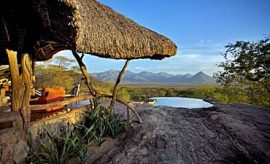
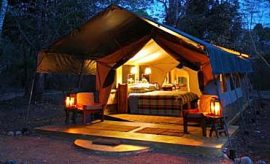
EXPLORE MORE ON NORTHERN FRONTIER IN KENYA


HAVE YOU VISITED NORTHERN FRONTIER FOR AN AFRICA SAFARI IN KENYA?
Write A Travel Or Tourist Trip Review To Share Your Experiences
WRITE NORTHERN FRONTIER REVIEW












AMS BLOG
VIEW ALL - 26 October 2017 by AfricanMecca Safaris, in Blog For AfricanMecca Safaris,Safari Planning Blog Posts - AfricanMecca Safaris
Baggage Guidance & Restrictions On Flying Safaris In Africa
Baggage Guidance & Restrictions On Flying Safaris In Africa Published By Afr...READ MORE +- 07 June 2017 by AfricanMecca Safaris, in Blog For AfricanMecca Safaris,Latest Kenya Blog Posts From AfricanMecca Safaris,Safari Planning Blog Posts - AfricanMecca Safaris
Masai Mara Horseback Riding Safari In Kenya With AfricanMecca
Masai Mara Horseback Riding Safari In Kenya Published By AfricanMecca Safaris | ...READ MORE + - 24 March 2017 by AfricanMecca Safaris, in Blog For AfricanMecca Safaris,Safari Planning Blog Posts - AfricanMecca Safaris
Times Square New York Hosts Kenya Tourism Board & Wilderness Safaris Meet Up
Times Square New York Hosts Kenya Tourism Board & Wilderness Safaris Meet Up...READ MORE +