
WELCOME TO AFRICANMECCA SAFARIS
Navigation Tip 1 - Go Directly To Safari & Tour Planning Section For Africa
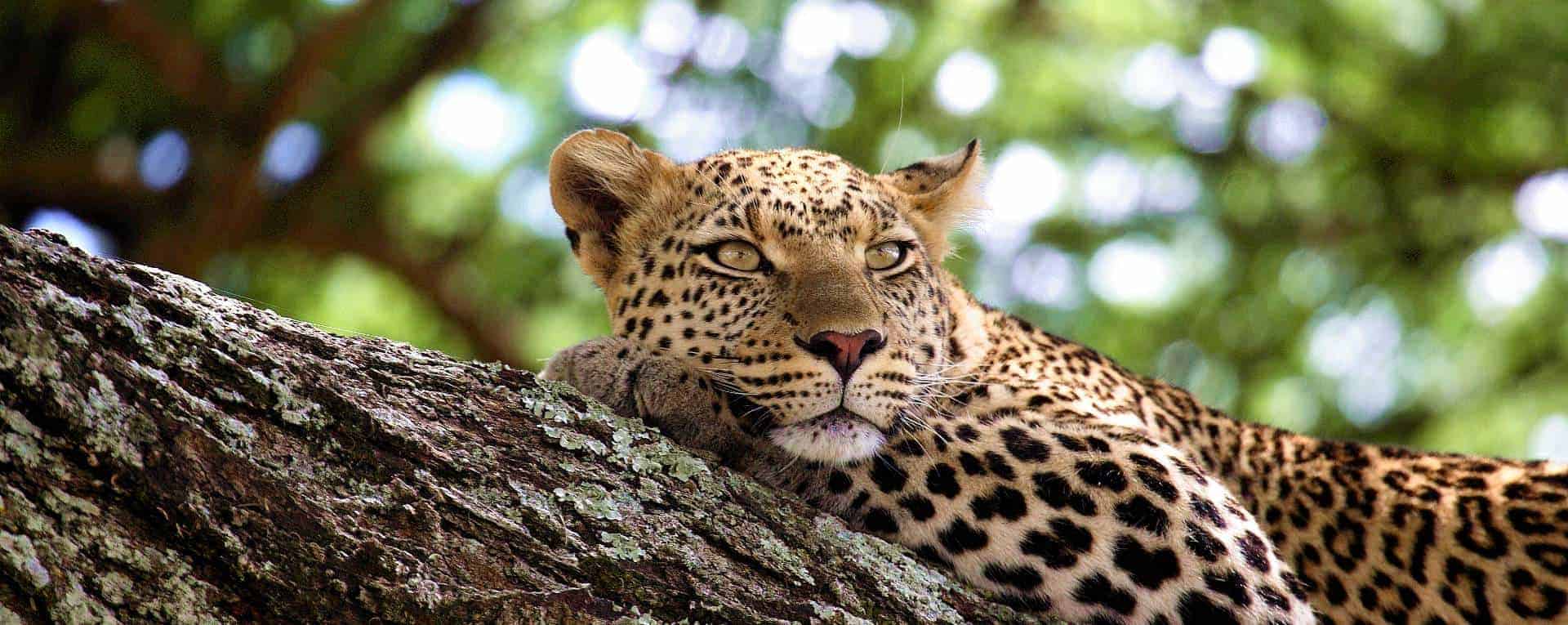
AfricanMecca Safaris offers you a wholesome and distinct insight into the wonders of Africa’s amazingly diverse landscape, wildlife, history and cultural heritage. An Africa travel experience arranged by AfricanMecca is not just another cliché of safari vacation on offer as part of any standard travel business. Our expeditions are crafted by a diverse family and team born-bred in Africa, who love the continent and care to deliver the finest tour experiences from a native perspective. This natural advantage allows us to introduce and discern to travelers with shared interests the varied authenticity of Africa: its people, breathtaking beauty, the power of raw life to its unforgettable sense of wilderness and outback sovereignty. Read More

Read More +
SAFARI TRIP IDEAS FOR AFRICA
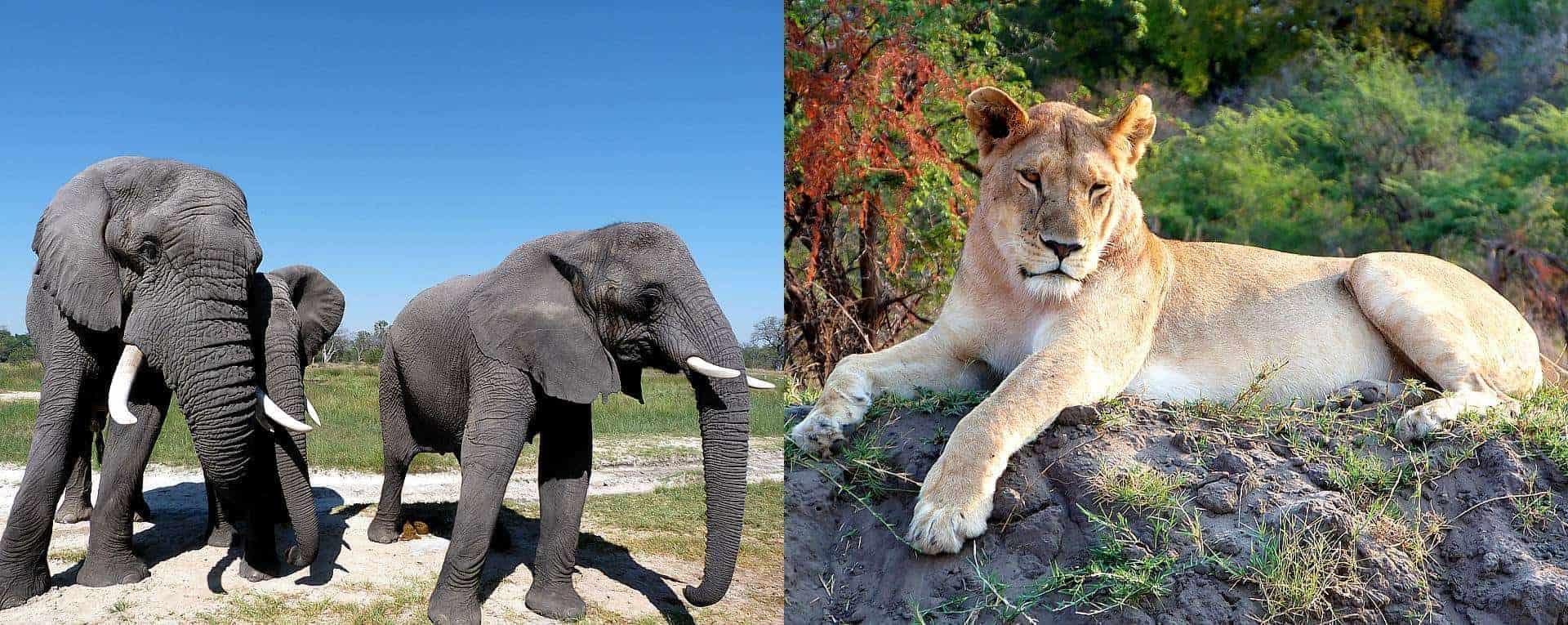
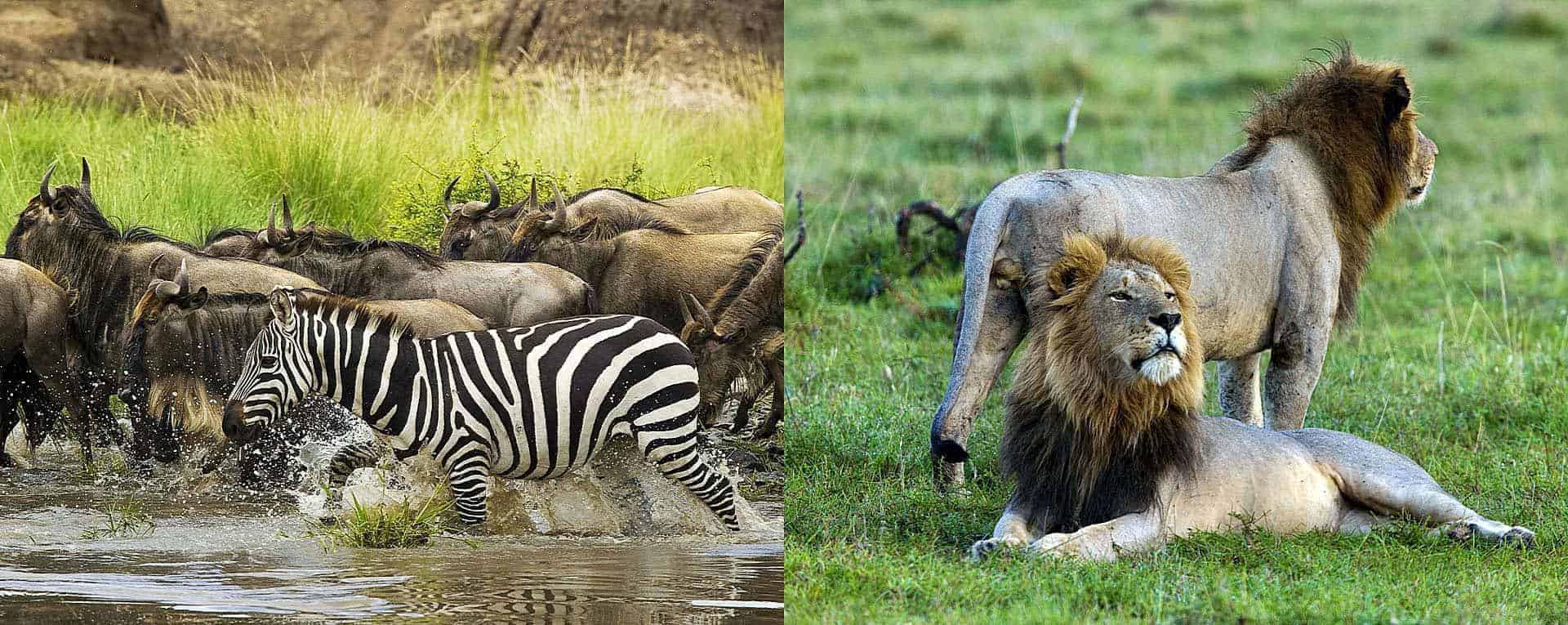
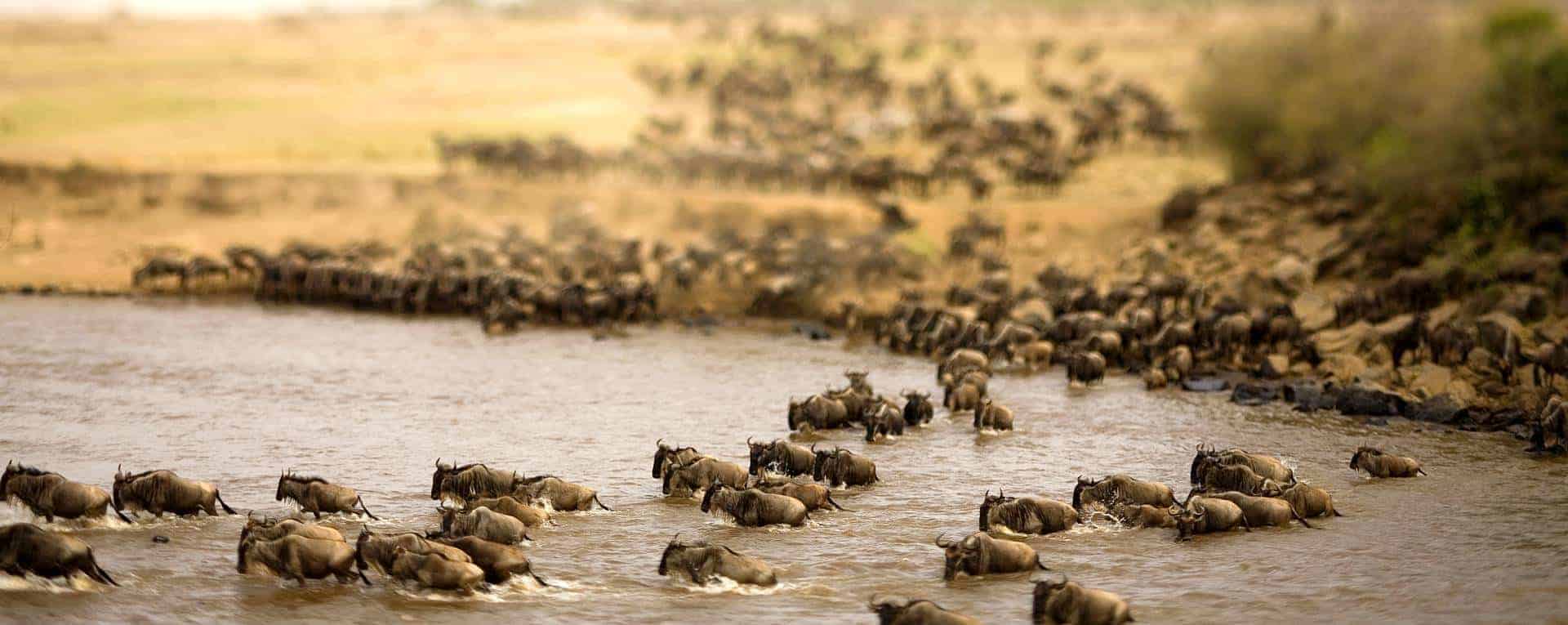
Review diverse Africa safari experiences available from luxury, honeymoons, photo and family tours to bush walks, birding, balloon trips, horse rides including private, custom and boutique options.
Read More +
BEACH TRIP IDEAS FOR AFRICA
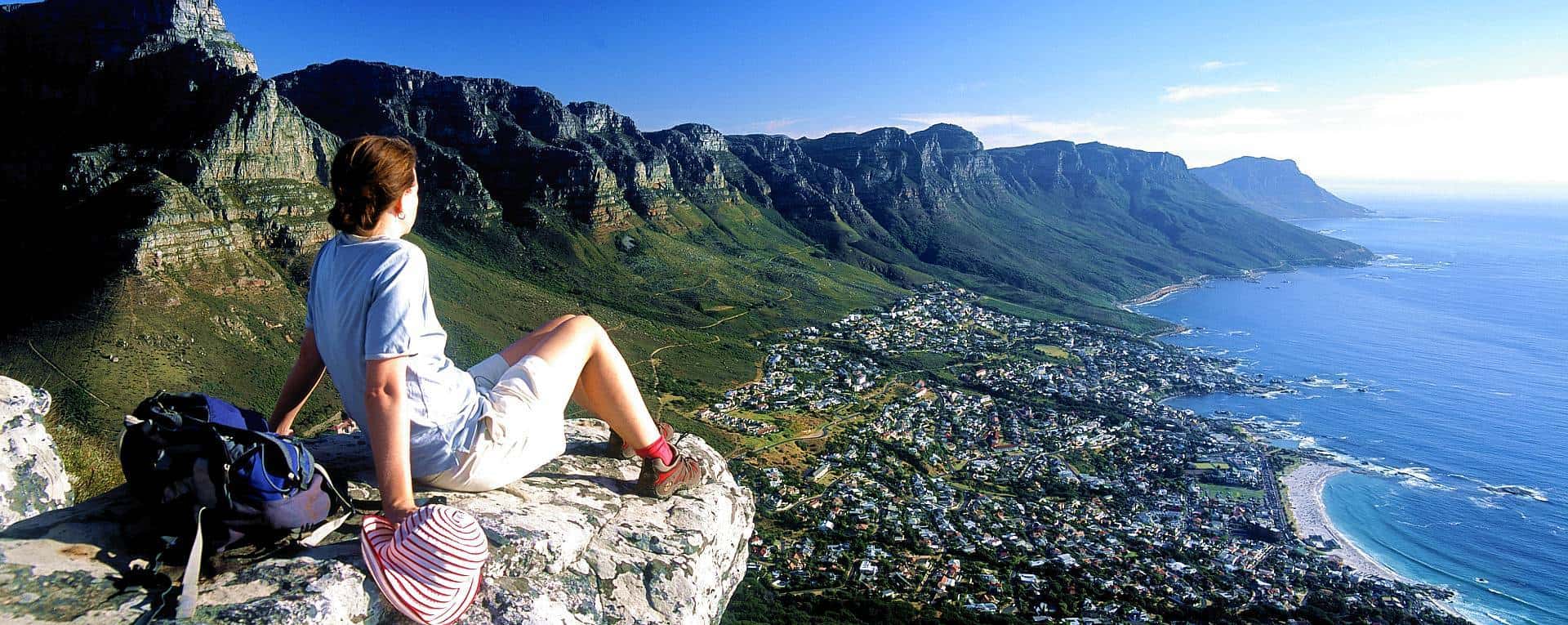
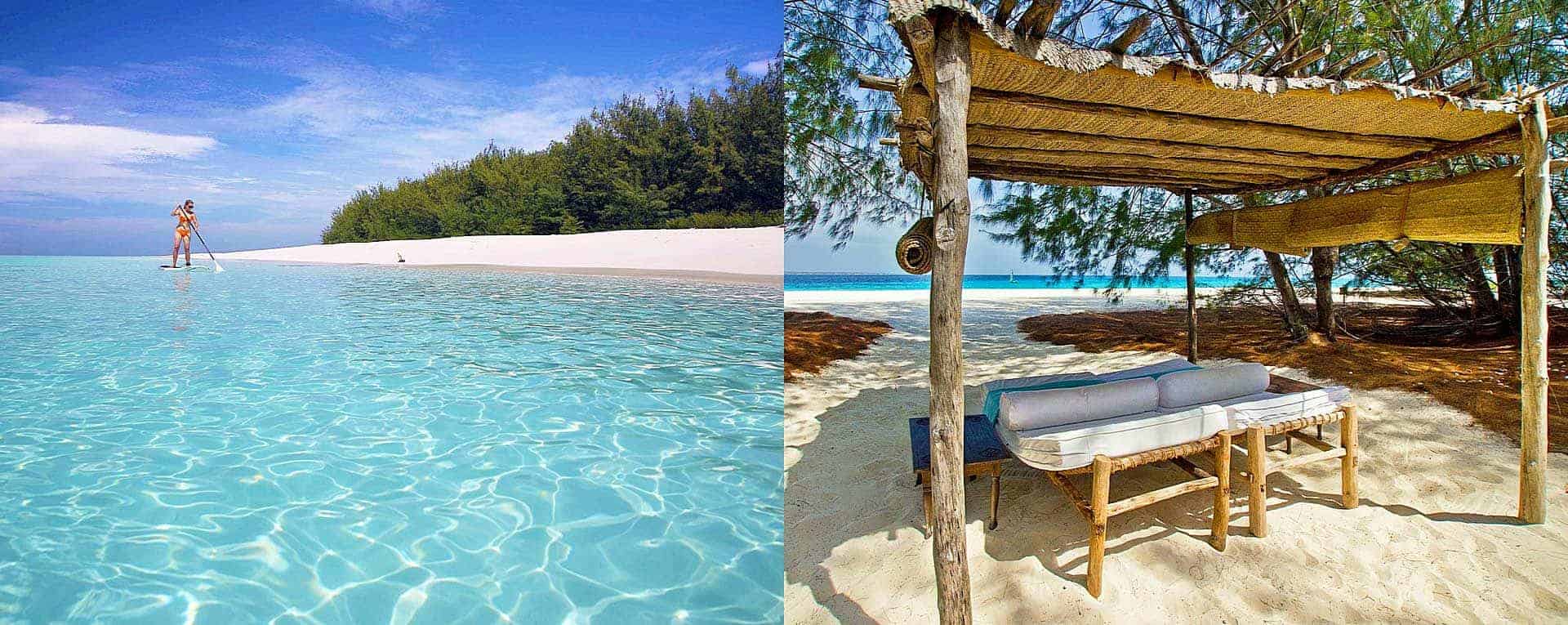
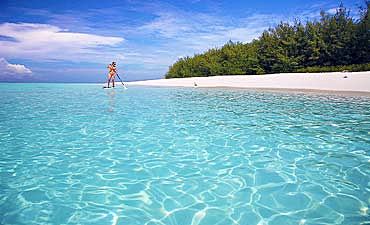
Review diverse Africa seaside experiences available from idyllic beaches and castaway barefoot islands to scuba diving and snorkeling in marine reserves, fishing, dhow cruises and coastal excursions.
Read More +
AFRICA MOUNTAIN TRIP IDEAS
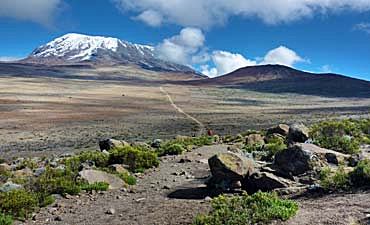
Review mountain climbing experiences available in Africa – the highest in Africa, Kilimanjaro. Go on guided treks to Mount Kenya, Meru to Ol Doinyo Lengai. Your climb is entirely your own to design.
AFRICANMECCA REVIEWS
What are our Customers saying about us? READ MORE REVIEWS
Greetings to you and our most fervent thanks for a wonderful trip of Kenya, Zanzibar, South Africa & Victoria Falls. Everything went very well. This was truly a perfect vacation. Thank you so much for all your arrangements.
Adrienne & Barrie Carter - Canada
Dear Raza, The accommodations you recommended were superb. We loved them all -- Giraffe Manor, Wilderness Trails, Governor's Il Moran, Ngorongoro Crater Lodge and Mnemba Island Lodge.
Pat Bernard, Vice President, Global Channel Sales, Novell Corp - New Hampshire United States
AfricanMecca Safaris created a remarkable honeymoon tailored to our interests and desires. The quality of service and delivery of experience was unsurpassed. I highly recommend AfricanMecca Safaris to honeymooners, families, or any traveler.
Noorin & Jason Nelson - Maryland, United States
We had a great time on your safaris. Thank you very much for all that you did for us. We were in Africa overall for 5 weeks and spent time in South Africa, Zambia, Zimbabwe, Kenya and Tanzania. We just totally loved it.
Bruce and Susie Ironside - New Zealand
I cannot say enough about the quality of AfricanMecca. Their teams in Kenya and Tanzania were top notch. Raza, again thanks to you and your entire organization! We will be repeat customers.
Dan Kobick - Managing Director, PricewaterhouseCoopers - New York, United States
I booked my safari holiday through AfricanMecca. They were the most helpful company I have ever dealt with and I work within the travel industry. I had the most amazing time. The holiday went as clockwork with no hitches anywhere.
Shelley Roberts - Hemel Hempstead, United Kingdom
This is to let you know my guests, The Bryant's, had a wonderful time on the trip Samburu, Masai Mara/Kenya, Chobe/Botswana & Victoria Falls/Zambia. Everything was perfect! Thank you..
Christine Milan - MT Carmel Travel - Connecticut, United States
CONTACT AND TALK TO OUR SAFARI EXPERTS TODAY TO KICK-START YOUR TOUR PLANNING PROCESS
Request Africa Custom Or Tailor-Made Safari Pricing Based On Your Specific Travel Dates At Your Preferred Safari Tier Camp Or Lodge
CONTACT AN EXPERT ON AFRICA SAFARI PRICES & TOURSSafari Experiences
Indian Ocean Beach Experiences
Read More +
SAFARI PRICES FOR AFRICA
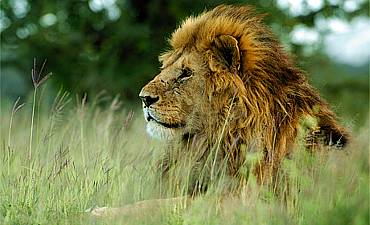
Review recommended itineraries and prices of our discerning Africa safaris with the option of customizing your tour based on your needs and preferences.
Read More +
AFRICA TRIP IDEAS
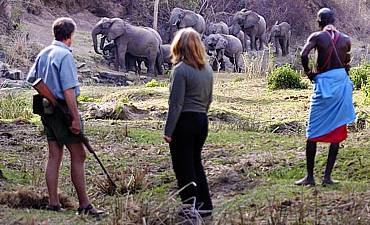
Review experiences from wildlife photo safari, horse riding, bush walks, mountain treks, honeymoon to family beach vacation, diving, snorkeling & fishing.
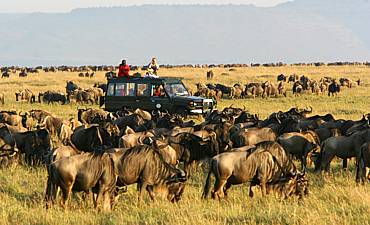
Read More +
PARKS & RESERVES IN AFRICA
Review information on wildlife parks and reserves in Eastern and Southern Africa: Tanzania, South Africa, Kenya, Botswana, Zambia and other countries.
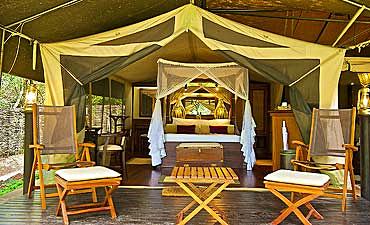
Read More +
ACCOMMODATIONS IN AFRICA
Review information on safari camps, lodges, city hotels, beach resorts in Africa's pristine wilderness, cities, Swahili coastal shores and idyllic islands.
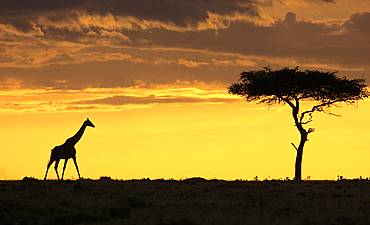
Read More +
BEST TIME TO VISIT AFRICA
Review details on the best time to go to Africa to visit its diverse wildlife wildernesses, lakes, rivers, mountains, forests, islands, beaches and other ecologies.
Read More +
BEACHES & ISLANDS OF AFRICA
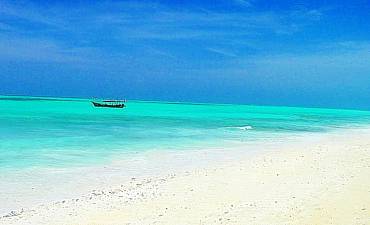
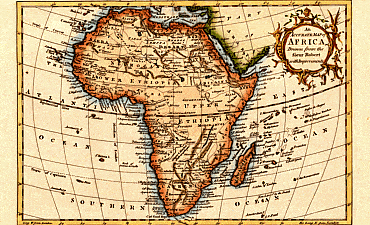
Review Africa's beautiful Indian Ocean coast and islands where the turquoise waters tenderly wash up white sand beaches that create a serene ambience.
Read More +
AFRICAN COUNTRY PROFILES
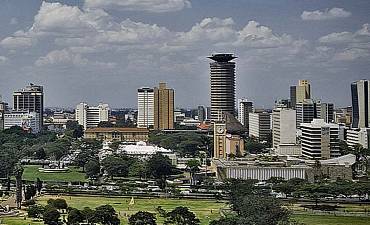
Review information and travel tips on African countries: climate, culture, geography, history, tipping guide, entry requirements, what to pack and wear and more.
Read More +
CITY DAY TOURS FOR AFRICA
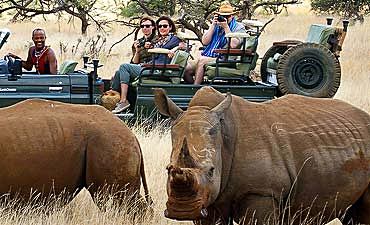
Review full or half day city tour options for Cape Town, Nairobi, Johannesburg, Zanzibar etc. Experiences can be customized around your vacation travels.
Read More +
TOP 12 REASONS TO VISIT AFRICA
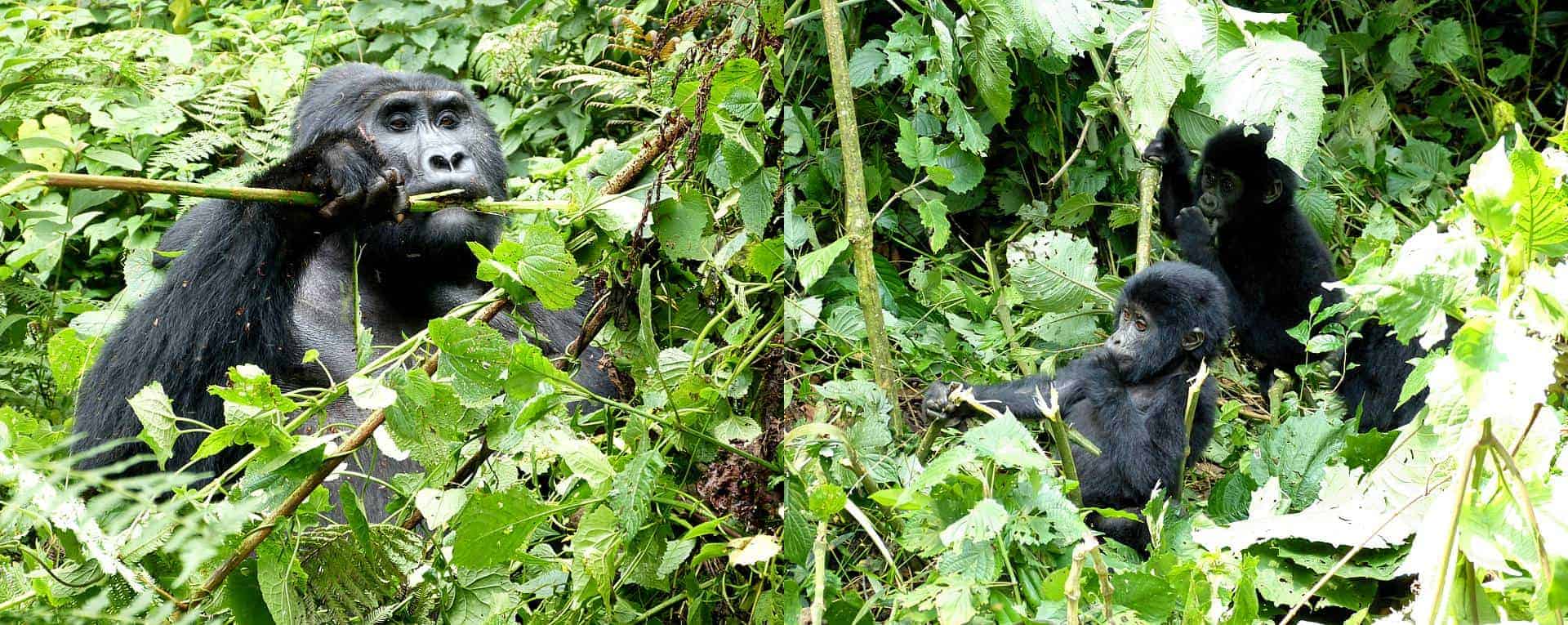
There are infinite reasons to visit Africa e.g wildlife safaris, gorilla and chimp treks, birding, beaches, mountain climbing, cultural tours and more.
SAFARI BOOKING & TOUR HOLIDAY IDEA FOR AFRICA
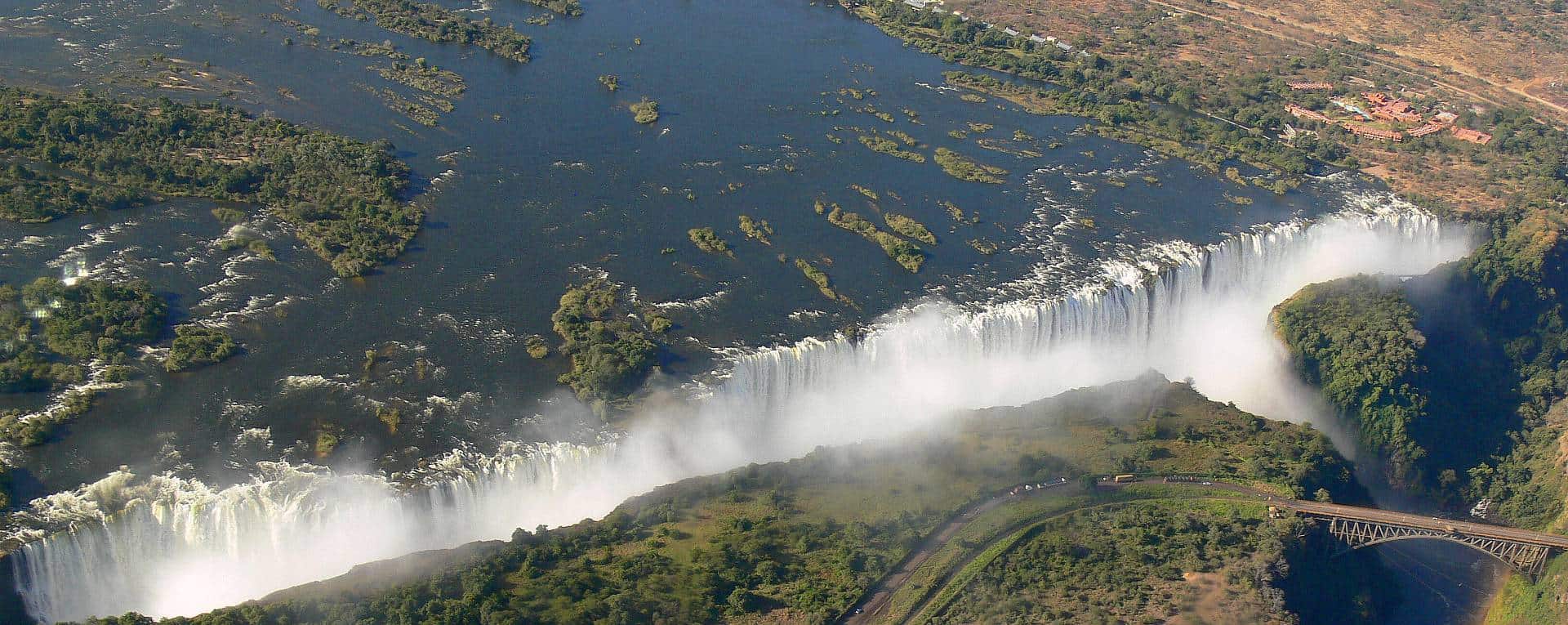
When visiting Africa, we recommend your tour to varied national parks in Africa like Serengeti and Ngorongoro Crater in Tanzania, Kruger in South Africa, Chobe and Okavango Delta in Botswana, Masai Mara in Kenya to climbing Kilimanjaro, or gorilla and chimpanzee primate safari treks in Rwanda & Uganda ending with beachfront retreat to Zanzibar Island or Cape Town.
READ MOREKickstart Your Safari Planning


ARE YOU PLANNING TO BOOK AN AFRICAN SAFARI?
Do You Need Knowledgeable, Experienced & Specialist Guidance For Your Travels In Africa? Let Us Help Plan Your Trip Itinerary Correctly
CONTACT AN AFRICA VACATION EXPERTEXPLORE MORE ON NATIONAL PARKS, CAMPS, LODGES, BEACHES & RESORTS IN AFRICA


HAVE YOU VISITED AFRICA FOR A SAFARI, BEACH OR ANY OTHER TOUR VACATION?
Write A Travel Or Tourist Trip Review To Share Your Experiences
WRITE AFRICA TRIP REVIEW









Thanks To The AfricanMecca Team For A Most Exceptional Tanzania Trip
We have just recently returned from our trip to Tanzania. There were four of us including myself, my wife and our friends that we have been traveling with for 20 years. By way of background, we are very experienced travelers, have visited over 40 countries, several more than once, and this was our third visit to Tanzania. As a result, our objective was to have some different experiences and visit new areas. The ladies in our party are fans of Jane Goodall so Gombe was on the list, we couldn’t imagine a trip there without visiting Ngorongoro Crater and a combination of Ruaha and Selous looked to get us new experiences and an ability to get out of the vehicles and do some nature walking. While looking for an “upscale” trip, the primary objective was to optimize our overall experience and not just opt for the fanciest places. Read complete review
Read 550 Safari, Beach & Tour Reviews For AfricanMecca
Please read through some of our 550 various customer reviews — around 61 pages of them. We have great personal relationships with our customers, and if you would like to get in touch with some of them via email or phone to speak to them about their awesome tour experiences with AfricanMecca, please let us know us and we will connect you during your trip planning process.Some of our customers have also reviewed us on Google Reviews. Click here to read some of these reviews
AMS BLOG
VIEW ALL - 26 October 2017 by AfricanMecca Safaris, in Blog For AfricanMecca Safaris,Safari Planning Blog Posts - AfricanMecca Safaris
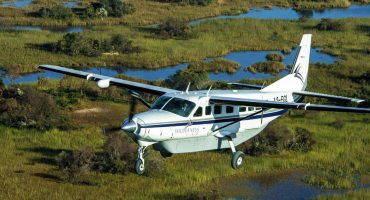
Baggage Guidance & Restrictions On Flying Safaris In Africa
Baggage Guidance & Restrictions On Flying Safaris In Africa Published By Afr...READ MORE +- 07 June 2017 by AfricanMecca Safaris, in Blog For AfricanMecca Safaris,Latest Kenya Blog Posts From AfricanMecca Safaris,Safari Planning Blog Posts - AfricanMecca Safaris
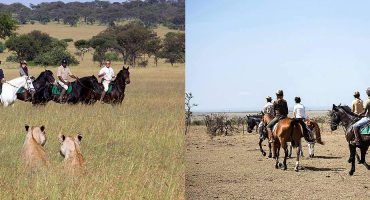
Masai Mara Horseback Riding Safari In Kenya With AfricanMecca
Masai Mara Horseback Riding Safari In Kenya Published By AfricanMecca Safaris | ...READ MORE + - 24 March 2017 by AfricanMecca Safaris, in Blog For AfricanMecca Safaris,Safari Planning Blog Posts - AfricanMecca Safaris
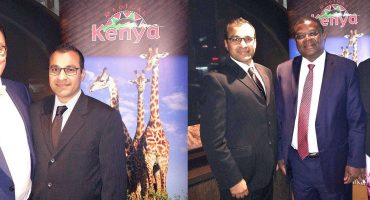
Times Square New York Hosts Kenya Tourism Board & Wilderness Safaris Meet Up
Times Square New York Hosts Kenya Tourism Board & Wilderness Safaris Meet Up...READ MORE +